Obento
/oh-BEN-toh/
Meaning
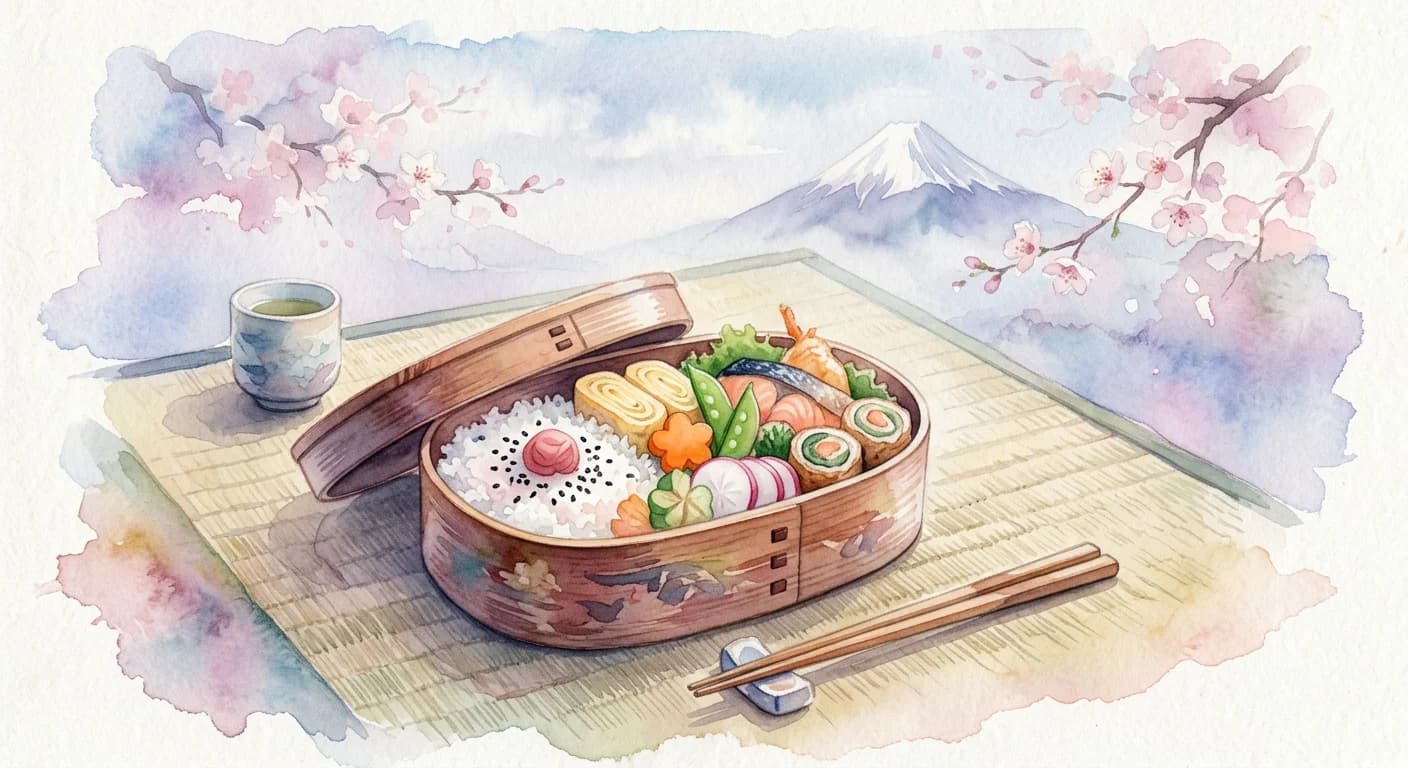
Obento transcends a simple packed lunch; it is a meticulously crafted, single-portion culinary artwork, often prepared with profound care and presented in an aesthetically pleasing manner. Each component is thoughtfully selected for nutritional balance and visual harmony, reflecting a deep-seated cultural value placed on nurturing through food. The act of preparing an obento is a tangible expression of love, respect, and consideration, transforming a daily meal into a cherished ritual of connection and well-being. It embodies the giver's dedication to the recipient's health and happiness, making it far more than just sustenance.
Literal Translation
convenient lunch
The Story Behind the Word
The concept of obento has roots stretching back to the Kamakura period (1185-1333), where dried rice was packed for travel or fieldwork. Over centuries, it evolved, especially during the Edo period (1603-1868), into more elaborate forms for hanami (flower viewing) picnics or theatre outings, showcasing artistic arrangement. Its prominence in modern Japan, particularly for schoolchildren and workers, highlights a societal emphasis on order, beauty, and communal care. The obento reflects the Japanese aesthetic of 'wabi-sabi' (finding beauty in imperfection and transience) and 'mottainai' (a sense of regret concerning waste), as every ingredient is used thoughtfully and presented with respect. It underscores the cultural belief that food is not just fuel, but a medium for expressing affection, discipline, and a connection to the seasons.
Experience It
School Lunch Delight
Little Hiroshi eagerly opens his lunchbox at school, revealing a vibrant obento filled with rice shaped like a panda, colorful vegetable stir-fry, and a small piece of grilled fish. He knows his mom woke up early to prepare it just for him, and every bite feels like a warm hug.
Picnic in the Park
A group of friends gathers under cherry blossoms, each laying out their beautifully arranged obento. One box holds tamagoyaki and sakura-shaped rice balls, another features tempura and seasonal fruits. They share bites, admiring the effort and artistry in each other's homemade meals.
The Deeper Meaning
Obento embodies the Japanese philosophy of 'omotenashi' – wholehearted hospitality and anticipating the needs of others without expectation of reward. It reflects a deep respect for the recipient, recognizing that true care involves not just providing sustenance, but enriching their experience through beauty, balance, and thoughtful presentation. This daily practice reinforces the value of meticulous attention to detail and the profound impact of small, consistent acts of kindness.
Did You Know?
The most elaborate obento can feature intricate food art known as 'kyaraben' (character bento), where ingredients are shaped into popular anime characters or animals.
How It's Used
Used to refer to a packed lunch, often homemade, that is prepared with care and presented attractively. It is commonly eaten during lunchtime at school, work, or picnics.