U.
HomeRegionsLanguagesEmotionsCollections
Find Your Word

“The limits of my language mean the limits of my world.”

— Ludwig Wittgenstein, Philosopher

Untranslatable

A curated collection of the world's most beautiful expressions—words that remind us language is humanity's greatest invention.

  • Home
  • Collections
  • Regions
  • Countries
  • Emotions
  • Tags
  • Contexts
  • Finder
  • Europe
  • Asia
  • Americas
  • Africa
  • Middle East
  • About
  • Contact
  • Privacy Policy
  • Terms of Service

2026 © Untranslatable. All rights reserved.

    /
    /
    1. Home
    2. /
    3. Asia
    4. /
    5. Paan
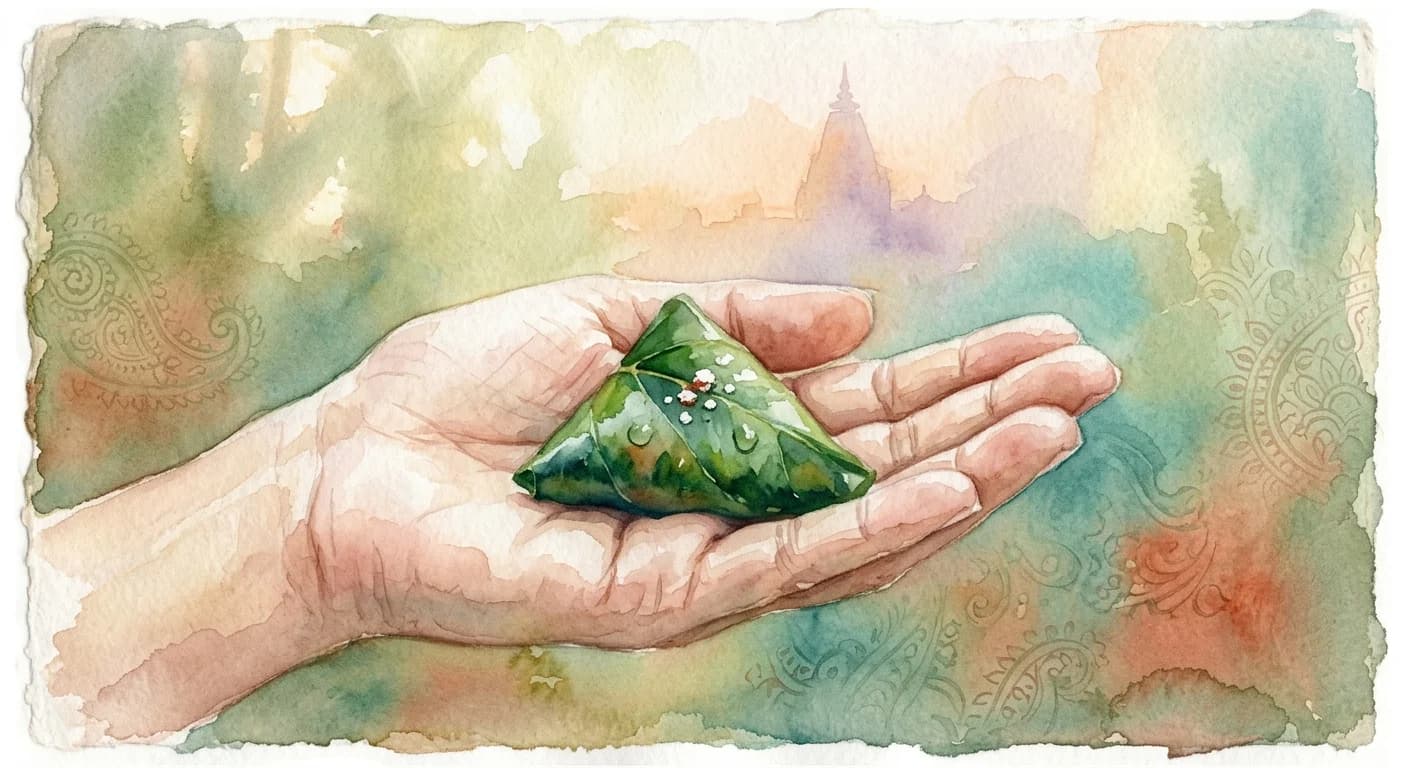
    Artistic representation of Paan
    Hindi•
    🇧🇩Bangladesh🇮🇳India🇳🇵Nepal🇵🇰Pakistan

    Paan

    /PAHN/

    Meaning

    Paan transcends a mere chew; it is an intricate culinary and cultural art form, a meticulously prepared betel leaf parcel brimming with a symphony of ingredients like areca nut, slaked lime, catechu, and often a delightful array of sweet or savory spices. This vibrant, aromatic offering is a cherished post-meal digestive, a mild stimulant, and a profound gesture of hospitality and social connection, its preparation and sharing deeply woven into the fabric of daily life and celebratory rituals across India.

    Literal Translation

    Betel leaf

    The Story Behind the Word

    Paan boasts a history stretching back thousands of years, with mentions in ancient Sanskrit texts and depiction in temple carvings, signifying its enduring presence in Indian culture. It's not merely a habit but a ritual, embodying principles of hospitality, welcome, and community bonding. The act of offering paan to guests is a traditional sign of respect and friendship, fostering connection and easing conversation. Its inclusion in religious ceremonies and celebratory events, from weddings to festivals, underscores its sacred and auspicious connotations, reflecting a worldview where sensory pleasure, social harmony, and tradition are intricately linked. The meticulous preparation of paan, often by a 'paanwala,' is an art form in itself, highlighting a culture that values craftsmanship and personalized service.

    Experience It

    Post-Dinner Delight

    After a sumptuous wedding feast, the host approaches the guests with an ornate tray. 'Would you care for some paan?' he asks, offering an array of beautifully folded parcels. Each guest selects their preferred flavor, the sweet, earthy aroma filling the air, signifying the meal's pleasant conclusion and a moment of shared satisfaction.

    Evening Chai & Paan

    A group of friends gathers on a warm evening, sipping chai and deep in conversation. One friend, a paan enthusiast, pulls out a small box, meticulously preparing fresh paan for everyone. The shared act of chewing, the mild buzz, and the burst of flavors enhance their camaraderie, making the evening feel complete and cherished.

    The Deeper Meaning

    Paan embodies a philosophy of mindful indulgence and social communion. It represents the Indian appreciation for sensory detail and the belief that pleasure, when shared, enhances human connection. The ritualistic preparation and offering of paan elevate a simple chew into an act of generosity and cultural continuity, suggesting a worldview where even small gestures carry significant meaning and contribute to the tapestry of daily life.

    Did You Know?

    The 'Paanwala' (paan maker) is often a highly skilled artisan, able to create hundreds of varieties, from 'meetha paan' (sweet) to 'tambaku paan' (with tobacco), each tailored to individual preferences.

    How It's Used

    Paan is chewed as a digestive aid and mild stimulant after meals, during social gatherings, and as a sign of hospitality. It is also often offered to guests.

    Emotions
    belonging,comfort,warmth
    Contexts
    dining,relaxation,social interaction
    🇧🇩Bangladesh🇮🇳India🇳🇵Nepal🇵🇰Pakistan

    by Anya Petrova·Written Mar 14, 2026·Updated Apr 3, 2026

    Related Words

    Explore more
    GezelligDutch

    Gezellig encapsulates a profound sense of warmth, belonging, and convivial comfort, extending beyond mere coziness to embrace the social and emotional atmosphere. It's the feeling of being truly at ease, surrounded by good company, laughter, and a shared sense of contentment. This untranslatable term describes not just a physical space, but a holistic experience where time seems to slow down, fostering genuine connection and a deep sense of well-being.

    SobremesaSpanish

    Sobremesa is the cherished, often extended period immediately following a meal, particularly lunch or dinner, where diners remain seated at the table to enjoy conversation, coffee, and digest not just the food, but the company itself. It’s a dedicated time for unhurried social bonding, storytelling, and shared laughter, transforming a simple meal into a profound communal experience. Far from just clearing the dishes, sobremesa is an integral part of Spanish social life, often lasting for hours.

    Wabi-sabiJapanese

    Wabi-sabi is the profound appreciation for the ephemeral, the imperfect, and the incomplete aspects of existence. It is about discovering beauty in the subtle textures of age, the unique character of flaws, and the gentle decay that marks the passage of time. This philosophy encourages a quiet acceptance of impermanence and a mindful connection to the natural world, finding elegance in simplicity and authenticity.

    IkigaiJapanese

    Ikigai is more than just a reason to get out of bed; it's a deeply personal and evolving sense of purpose that brings genuine fulfillment and joy to one's life. It represents the sweet spot where your passions, talents, needs of the world, and what you can be paid for beautifully converge. Discovering your ikigai often leads to a life lived with intentionality, resilience, and a profound connection to one's contributions. It's the intrinsic motivation that fuels a meaningful existence, regardless of external circumstances.