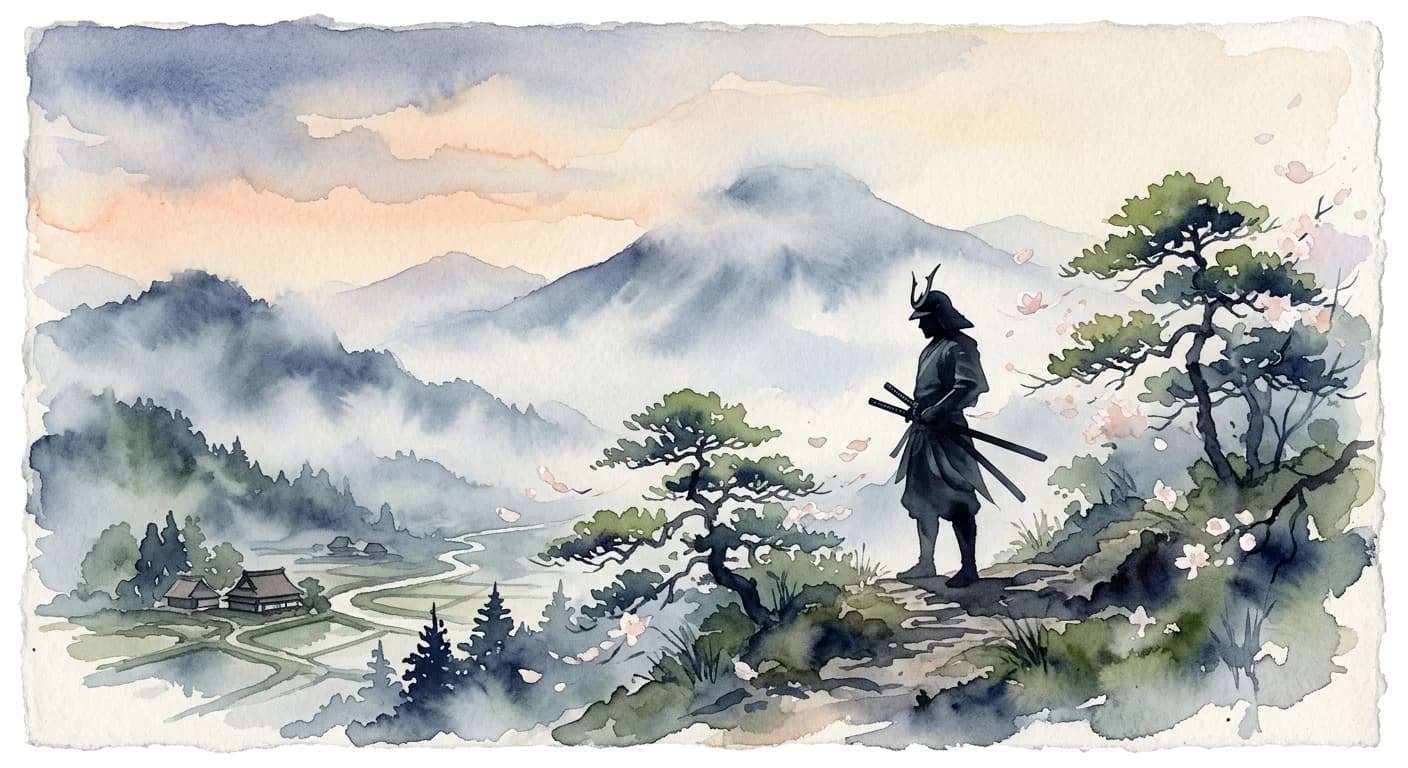
Samurai
/sah-moo-RYE/
Meaning
The term 'Samurai' evokes the iconic image of Japan's hereditary warrior elite, who transcended mere military prowess to embody a profound philosophy of life. They were the steadfast guardians of feudal Japan, meticulously trained in martial arts, strategy, and an ascetic discipline. Their existence was governed by Bushido, a code emphasizing unwavering loyalty, honor unto death, self-control, and a keen aesthetic appreciation, shaping not just their actions but their very souls.
Literal Translation
Those who serve
The Story Behind the Word
The Samurai's existence is deeply rooted in Japan's feudal history, emerging from provincial warrior clans in the Heian period and rising to political dominance by the Kamakura period. Their enduring significance stems from their role as the embodiment of an ideal: a disciplined, honorable warrior class whose personal conduct and societal function were inextricably linked. Bushido, though codified later, reflects ancient Japanese values of duty, purity, and a profound connection to nature and ancestral spirits. The Samurai worldview, with its emphasis on impermanence (mono no aware), meticulous self-cultivation, and the acceptance of death, profoundly influenced Japanese art, literature, and the national psyche, revealing a culture that values order, sacrifice, and the beauty found in fleeting moments.
Experience It
Loyalty's Ultimate Test
A samurai, whose lord has fallen in battle, faces the agonizing choice between living in shame or following his master into death through seppuku. His unwavering adherence to Bushido dictates that honor demands the ultimate sacrifice, ensuring his lord's legacy and his own integrity remain untarnished.
Zen Archery Practice
In the serene quiet of an early morning, a samurai practices kyudo, the art of Japanese archery. Each movement is precise, a meditation, not merely on hitting the target but on achieving perfect harmony between mind, body, and spirit, reflecting the Zen influence on their training and philosophy.
The Deeper Meaning
The concept of Samurai reveals a profound Japanese philosophical undercurrent that values duty and honor over individual life, and aesthetic beauty even in the face of death. It underscores a worldview where self-mastery, discipline, and loyalty are paramount, offering a path to spiritual enlightenment through martial arts and strict ethical adherence, suggesting that true strength lies in inner resolve and moral purity.
Did You Know?
Despite their fearsome reputation, many samurai were also accomplished poets, calligraphers, and tea masters, embodying a sophisticated blend of martial skill and artistic sensibility known as 'bunbu ryōdō' (the pen and the sword in accord).
How It's Used
Used to refer to the historical warrior class of Japan and their associated code of ethics and cultural practices.