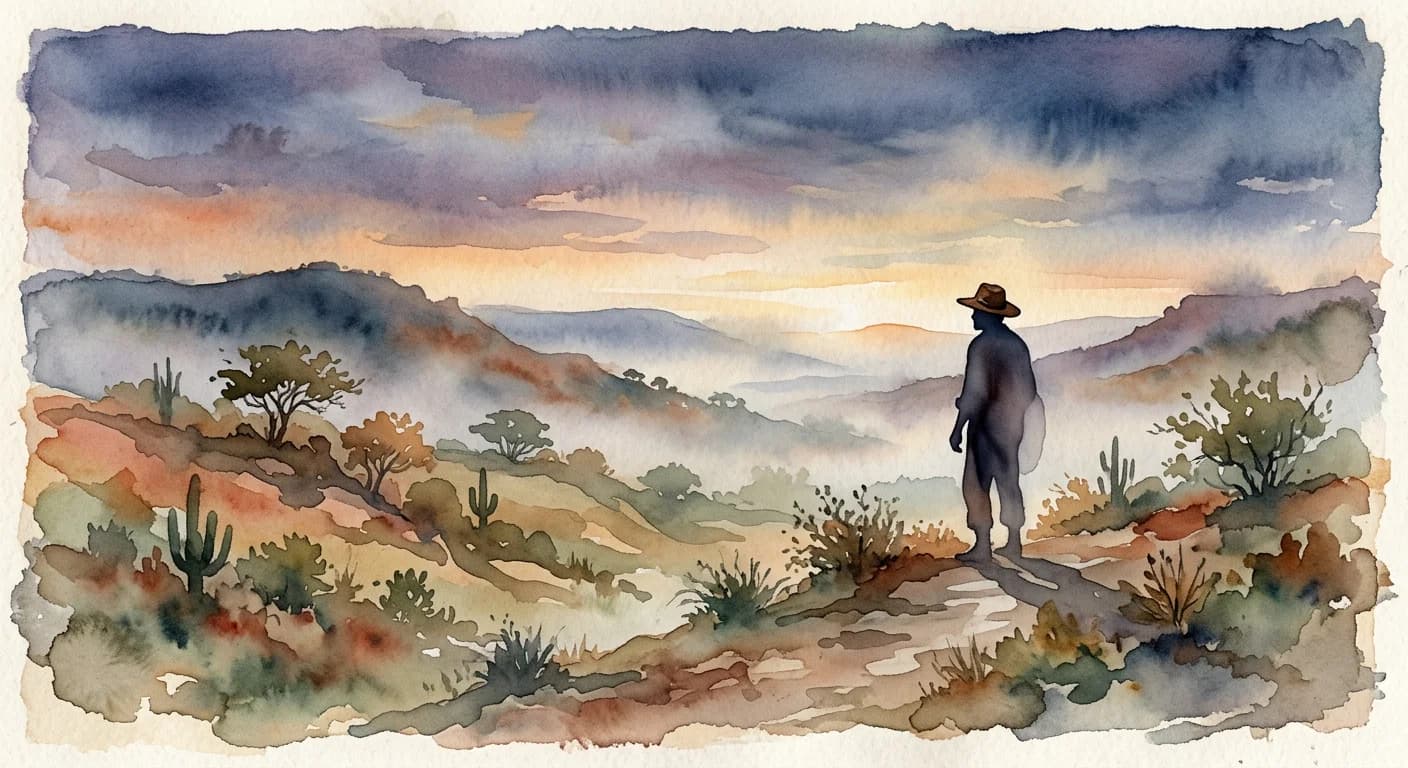
Sertanejo
/ser-tah-NAY-zhoo/
Meaning
Sertanejo transcends a mere musical genre; it embodies a profound cultural identity intrinsically linked to Brazil's vast interior and rural lifestyle. It evokes a romanticized vision of the countryside, articulating themes of longing for simpler times, the ebb and flow of love, and the resilient yet beautiful existence of the *sertanejo*, the person of the hinterland. The music, with its distinctive melodies and poignant lyrics, encapsulates a deep sense of belonging to the land and a wistful appreciation for traditional values, serving as a powerful emblem of Brazilian heritage and emotional connection to the heartland.
Literal Translation
Of the hinterland/countryside
The Story Behind the Word
The word "sertanejo" and its associated culture emerged from the historical development of Brazil's *sertão*, the semi-arid hinterland, a region often characterized by hardship, resilience, and a deep connection to the land. This harsh environment fostered a unique cultural identity, where music became a primary vehicle for expressing joy, sorrow, faith, and the daily struggles of rural life. The genre evolved from traditional *música caipira* (country music), gaining widespread popularity from the mid-20th century onwards, especially as rural populations migrated to urban centers, carrying their traditions and longing for their roots. Sertanejo music, therefore, exists not just as entertainment but as a living testament to the history and soul of a significant portion of the Brazilian people, reflecting their values, their challenges, and their enduring spirit, making it a powerful symbol of Brazilian identity that bridges the urban-rural divide.
Experience It
Road Trip Soundtrack
Maria was driving through the vast, green landscapes of Minas Gerais. She put on a sertanejo playlist, and the melancholic yet hopeful melodies filled the car. Each song about lost love and distant homes resonated with the passing scenery, making her feel deeply connected to the Brazilian soul.
Festival in the Plaza
In a small town square, a crowd gathered for the annual festival. A sertanejo duo, dressed in characteristic cowboy hats and boots, played on stage. The air was thick with the scent of grilled meat and the sound of people singing along, their voices a testament to the genre's unifying power and communal spirit.
What Gets Lost in Translation
English speakers might mistakenly equate sertanejo solely with "country music" without grasping its profound emotional and historical ties to Brazil's specific rural identity and the *sertão*. It's not just about cowboys and trucks; it's about a deep, often melancholic, connection to the land, family, and a particular way of life that is distinctly Brazilian, encompassing a broader spectrum of social commentary and emotional depth.
Across Cultures
Similar to American country music, sertanejo speaks to the experiences of rural life, love, and longing, using specific regional instruments and lyrical styles. It shares thematic parallels with Cumbia in Colombia, which also often romanticizes the countryside, or even Fado in Portugal, in its expression of *saudade* (a deep sense of longing) and the bittersweet nature of life.
The Deeper Meaning
Sertanejo reveals a worldview rooted in resilience, nostalgia, and a profound appreciation for the simple, yet often challenging, rhythms of life in agricultural societies. It underscores the human need for connection to one's origins and the enduring power of memory and longing (*saudade*) in shaping identity, reflecting a philosophy where past and present, hardship and beauty, are deeply intertwined in the fabric of existence.
Did You Know?
The earliest forms of sertanejo music, known as *música caipira*, were often performed by duos (duplas sertanejas) who traveled between rural communities, sharing stories and news through their songs, acting as a vital communication network.
How It's Used
Primarily used to refer to a genre of Brazilian popular music and its associated culture, originating from the countryside. It's also used to describe people or things related to the Brazilian hinterland.