Skald
/SKAWLD/
Meaning
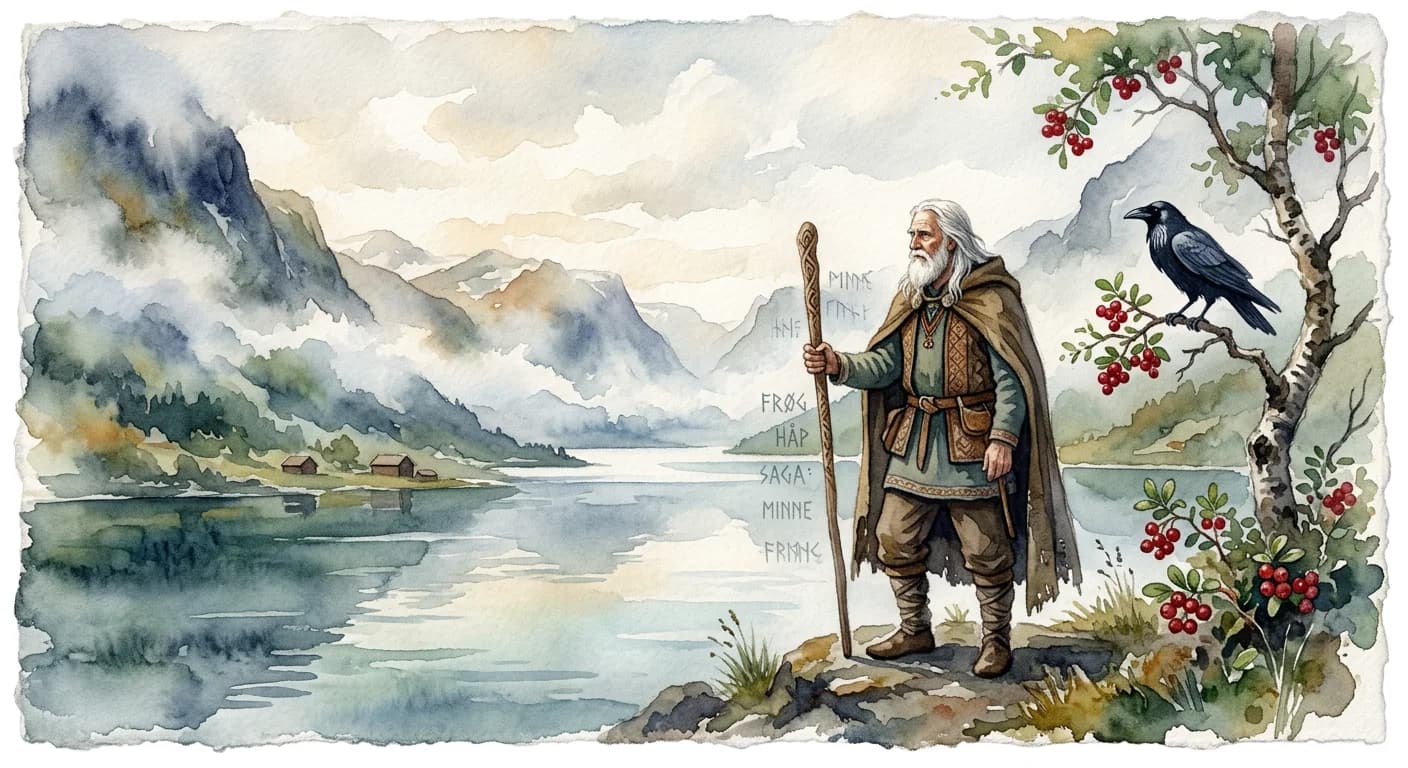
A skald was far more than a mere poet in Old Norse society; they were the living memory and voice of their people, wielding intricate verse as both a weapon and a shield. These highly skilled courtly bards chronicled history, celebrated heroic deeds, and even offered sharp political commentary through their complex, mythologically-infused compositions. Their sophisticated craft, often utilizing kennings and heiti, demanded immense intellect and linguistic mastery, making them indispensable figures in shaping cultural identity and immortalizing the sagas of their time.
Literal Translation
Poet
The Story Behind the Word
The existence of the 'skald' reveals a profound reverence for spoken word and a meticulously structured oral tradition within Old Norse culture. In a pre-literate society, skalds served as the primary custodians of history, genealogy, and mythology, ensuring that the deeds of chieftains and the lineage of clans were not forgotten. Their poetry, often performed at feasts and courts, was not just entertainment but a vital social and political tool. A skald's praise could elevate a leader's status, while a scathing satire could undermine an enemy. This highlights a worldview where reputation, honor, and a connection to ancestral glory were paramount, and the skald was the artisan who forged and maintained these crucial bonds through the power of verse. Their elaborate poetic forms, rich with kennings (metaphorical circumlocutions) and heiti (poetic synonyms), also demonstrate a deep appreciation for linguistic complexity and intellectual artistry.
Experience It
Courtly Praise
At the chieftain's hall, the skald steps forward, lyre in hand. He recites a complex drápa, weaving intricate kennings to laud his lord's recent victory, painting vivid pictures of valor and cunning for all to hear, securing the chieftain's legacy in verse.
Battlefield Inspiration
Before a looming battle, a skald stands amidst the warriors, his voice ringing out with verses recalling past triumphs and the glorious fate awaiting the brave. His words ignite a fierce resolve, steeling hearts for the fight ahead, reminding them of the honor to be won.
The Deeper Meaning
The skald embodies the belief that memory and narrative are not passive reflections but active forces shaping reality and identity. Their craft underscores a philosophy where the spoken word possesses transformative power, capable of bestowing immortality, defining honor, and constructing a shared historical consciousness. It reveals a culture that valued eloquent expression and intricate intellectual play as essential components of truth and social cohesion.
Did You Know?
Skaldic poetry often employed 'kennings' – elaborate metaphorical phrases like 'whale-road' for the sea or 'battle-sweat' for blood – making it incredibly challenging to compose and understand without deep cultural knowledge.
How It's Used
Used to refer to a specific type of poet in Old Norse culture, particularly those associated with Viking age courts and chieftains.