U.
HomeRegionsLanguagesEmotionsCollections
Find Your Word

“The limits of my language mean the limits of my world.”

— Ludwig Wittgenstein, Philosopher

Untranslatable

A curated collection of the world's most beautiful expressions—words that remind us language is humanity's greatest invention.

  • Home
  • Collections
  • Regions
  • Countries
  • Emotions
  • Tags
  • Contexts
  • Finder
  • Europe
  • Asia
  • Americas
  • Africa
  • Middle East
  • About
  • Contact
  • Privacy Policy
  • Terms of Service

2026 © Untranslatable. All rights reserved.

    /
    /
    1. Home
    2. /
    3. Europe
    4. /
    5. Remilgado
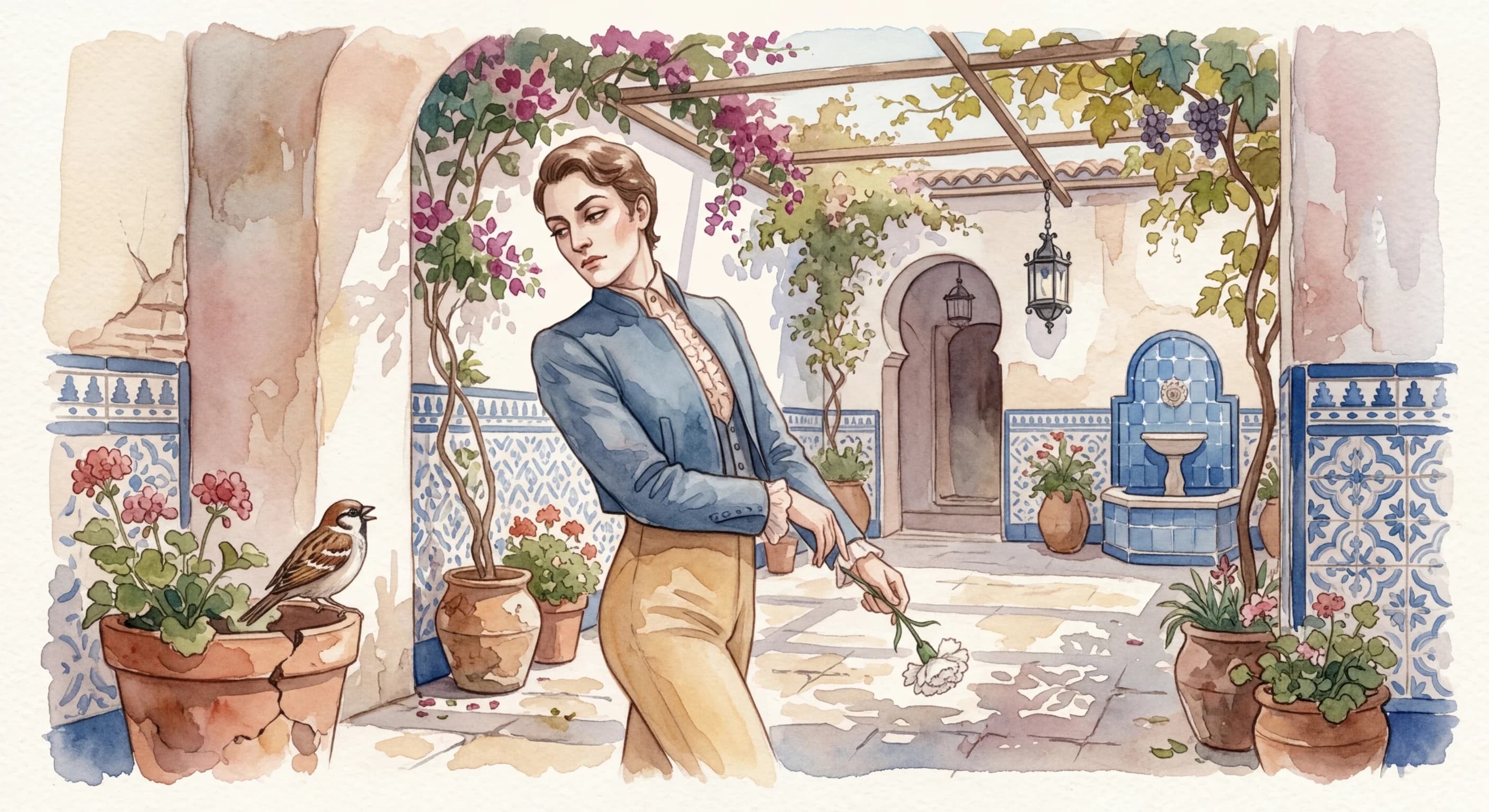
    Artistic representation of Remilgado
    Spanish•
    🇦🇷Argentina🇧🇴Bolivia🇨🇱Chile🇨🇴Colombia🇨🇷Costa Rica🇨🇺Cuba🇩🇴Dominican Republic🇪🇨Ecuador🇸🇻El Salvador🇬🇹Guatemala🇭🇳Honduras🇲🇽Mexico🇳🇮Nicaragua🇵🇦Panama🇵🇾Paraguay🇵🇪Peru🇵🇷Puerto Rico🇪🇸Spain🇺🇾Uruguay🇻🇪Venezuela

    Remilgado

    /reh-mil-GAH-doh/

    Meaning

    "Remilgado" vividly captures a person who is excessively delicate, prim, or fastidious, often to the point of appearing affected or even ridiculous. This individual might display an exaggerated refinement in their manners, speech, or tastes, meticulously avoiding anything they deem coarse or common. It's a subtle but pointed cultural critique of pretense, highlighting a performance of elegance that often lacks genuine substance and can feel out of touch with everyday realities.

    Literal Translation

    Overly fussy, dainty, affected

    The Story Behind the Word

    The existence of "remilgado" in Spanish culture speaks to a historical appreciation for naturalness and authenticity, coupled with a healthy skepticism towards overt displays of social climbing or affected sophistication. Spain, with its rich tapestry of regional identities and a strong emphasis on direct, often passionate communication, tends to view excessive formality or daintiness with a critical, sometimes humorous, eye. It reflects a society that values genuine character over superficial appearances, and where an overly refined demeanor might be seen as a barrier to true connection. The word implicitly critiques social posturing, suggesting that true elegance lies in effortless grace rather than contrived affectation. It's a societal mirror, reflecting a slight discomfort with those who seem to put on airs.

    Experience It

    The Overly Particular Diner

    At the family dinner, Tía Carmen refused to touch the paella, claiming the rice was 'too firm' and the prawns 'improperly deveined.' Her constant complaints about the texture and presentation, despite everyone else enjoying the meal, led her cousin to whisper, '¡Qué remilgada es!'

    The Finicky Friend

    Marisa was always impeccably dressed, but her friends found her exhausting. She wouldn't sit on park benches, found most tapas bars 'too noisy,' and critiqued everyone's pronunciation of foreign words, making social outings feel like a constant performance for her remilgado sensibilities.

    The Deeper Meaning

    This word subtly articulates a cultural preference for genuine, unpretentious behavior over affected refinement. It suggests that true grace comes from an inner state rather than an external performance, and that an excessive focus on superficial details can alienate one from authentic human experience. It's a gentle reminder that sometimes, trying too hard to be elegant can have the opposite effect.

    Did You Know?

    The root of "remilgado" is thought to come from "milgar," which relates to the meticulous picking of grapes, implying an almost obsessive attention to detail.

    How It's Used

    Used to describe a person, often humorously or critically, who exhibits overly delicate or affected behavior, speech, or tastes. It can be applied to someone who is excessively particular about food, social etiquette, or personal presentation, often to an almost comical degree.

    Emotions
    anger,joy,melancholy
    Contexts
    daily life,dining,social interaction
    🇦🇷Argentina🇧🇴Bolivia🇨🇱Chile🇨🇴Colombia🇨🇷Costa Rica🇨🇺Cuba🇩🇴Dominican Republic🇪🇨Ecuador🇸🇻El Salvador🇬🇹Guatemala🇭🇳Honduras🇲🇽Mexico🇳🇮Nicaragua🇵🇦Panama🇵🇾Paraguay🇵🇪Peru🇵🇷Puerto Rico🇪🇸Spain🇺🇾Uruguay🇻🇪Venezuela

    by Annelise Dubois·Written Mar 10, 2026·Updated Apr 3, 2026

    Related Words

    Explore more
    HyggeDanish

    Hygge is more than mere coziness; it's a holistic embrace of comfort, warmth, and belonging that nourishes the soul. It describes the intentional creation of an intimate atmosphere where simple pleasures, genuine connection, and mindful presence converge, fostering a profound sense of contentment and well-being. It's about finding joy and peace in the small, everyday moments, often shared with loved ones.

    SaudadePortuguese

    Saudade encapsulates a profound, melancholic longing for something or someone cherished that is absent, often with the bittersweet knowledge that it may never return. It's a deep emotional state tinged with nostalgia, evoking a sense of loss for past experiences, places, or people, yet also holding a tender appreciation for the beauty of what once was. This yearning is not merely sadness, but a complex tapestry of desire, memory, and a poignant acceptance of absence, holding the beloved in a warm, persistent embrace within the heart.

    GezelligDutch

    Gezellig encapsulates a profound sense of warmth, belonging, and convivial comfort, extending beyond mere coziness to embrace the social and emotional atmosphere. It's the feeling of being truly at ease, surrounded by good company, laughter, and a shared sense of contentment. This untranslatable term describes not just a physical space, but a holistic experience where time seems to slow down, fostering genuine connection and a deep sense of well-being.

    Dolce far nienteItalian

    Dolce far niente captures the profound joy and effortless pleasure derived from simply existing without obligation or purpose. It's the art of savoring moments of pure, unadulterated idleness – lying in the sun, watching the clouds drift, or enjoying a leisurely coffee – not as a break from work, but as a valuable state in itself. This 'sweetness of doing nothing' is a conscious embrace of stillness and contentment, allowing the soul to breathe and the senses to fully engage with the present.

    Featured in 1 collection

    😄Humor Across Cultures