Terroir
/ter-WAHR/
Meaning
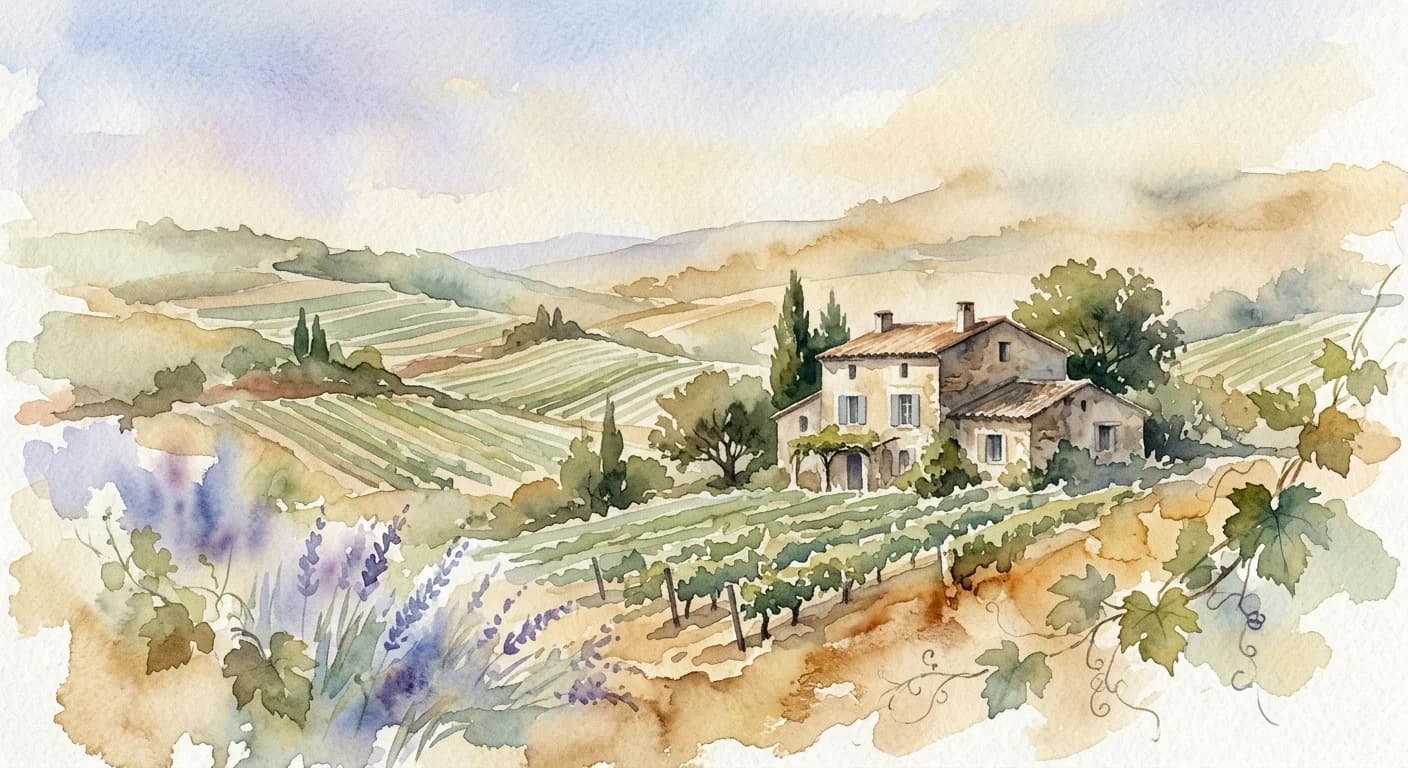
Terroir is far more than just geography; it's the profound, almost spiritual imprint of a place on its products. It describes the intricate interplay of soil, climate, topography, and human tradition that collectively shapes the unique character of wine, cheese, or coffee. This holistic concept posits that the land itself, through its geological history, weather patterns, and the accumulated wisdom of generations of cultivators, imbues an inimitable essence into what it yields. It's the story of a specific parcel of earth, bottled or crafted, offering a sensory journey to its origin.
Literal Translation
land or earth
The Story Behind the Word
The concept of terroir is deeply woven into the fabric of French culture, reflecting a profound respect for the land and a centuries-old tradition of agriculture. It emerged from a pragmatic understanding among monastic orders and later winemakers that certain plots consistently produced superior or distinct products. This empirical knowledge evolved into a philosophical appreciation for the symbiotic relationship between humans and their environment. Terroir reveals a worldview where identity is intrinsically linked to place, where quality is not merely an achievement but an expression of belonging. It underpins the French appellation d'origine contrôlée (AOC) system, a legal framework designed to protect and define regional specialties, ensuring that a product's name guarantees its origin and the traditional methods that define its unique character. This commitment showcases a culture that values authenticity, tradition, and the nuanced expressions of nature.
Experience It
Wine Tasting Revelation
At a sommelier course, the instructor poured two Pinot Noirs. 'Notice the earthy minerality in this one,' she explained, 'that's the limestone terroir of Burgundy speaking. The other, with its brighter fruit, reflects the volcanic soils of Oregon.' The students nodded, understanding how the land literally tasted different.
Cheese Maker's Pride
Old Jean-Pierre, a cheesemaker in the Auvergne, gestured to his herd grazing on a windswept plateau. 'Our Salers cheese tastes of these mountains,' he declared. 'The volcanic grasses, the crisp air, even the specific bacteria in our caves – it's all part of its terroir, something you can't replicate anywhere else.'
The Deeper Meaning
Terroir embodies a deep philosophical connection to place, suggesting that identity—both of a product and, by extension, a people—is profoundly shaped by its geographical and historical roots. It champions authenticity and the wisdom of generations, positing that true quality arises from a harmonious interaction between nature's gifts and human stewardship. This concept celebrates the specific over the generic, reminding us that uniqueness often stems from an irreplaceable bond with a particular piece of the earth.
Did You Know?
The word 'terroir' isn't limited to wine! It's increasingly used to describe the unique flavors imparted by the land to everything from coffee beans and chocolate to cannabis and even oysters.
How It's Used
Used primarily in discussions about wine, coffee, and cheese to describe the unique characteristics imparted by the land and environment.