U.
HomeRegionsLanguagesEmotionsCollections
Find Your Word

“The limits of my language mean the limits of my world.”

— Ludwig Wittgenstein, Philosopher

Untranslatable

A curated collection of the world's most beautiful expressions—words that remind us language is humanity's greatest invention.

  • Home
  • Collections
  • Regions
  • Countries
  • Emotions
  • Tags
  • Contexts
  • Finder
  • Europe
  • Asia
  • Americas
  • Africa
  • Middle East
  • About
  • Contact
  • Privacy Policy
  • Terms of Service

2026 © Untranslatable. All rights reserved.

    /
    /
    1. Home
    2. /
    3. Europe
    4. /
    5. Wassail
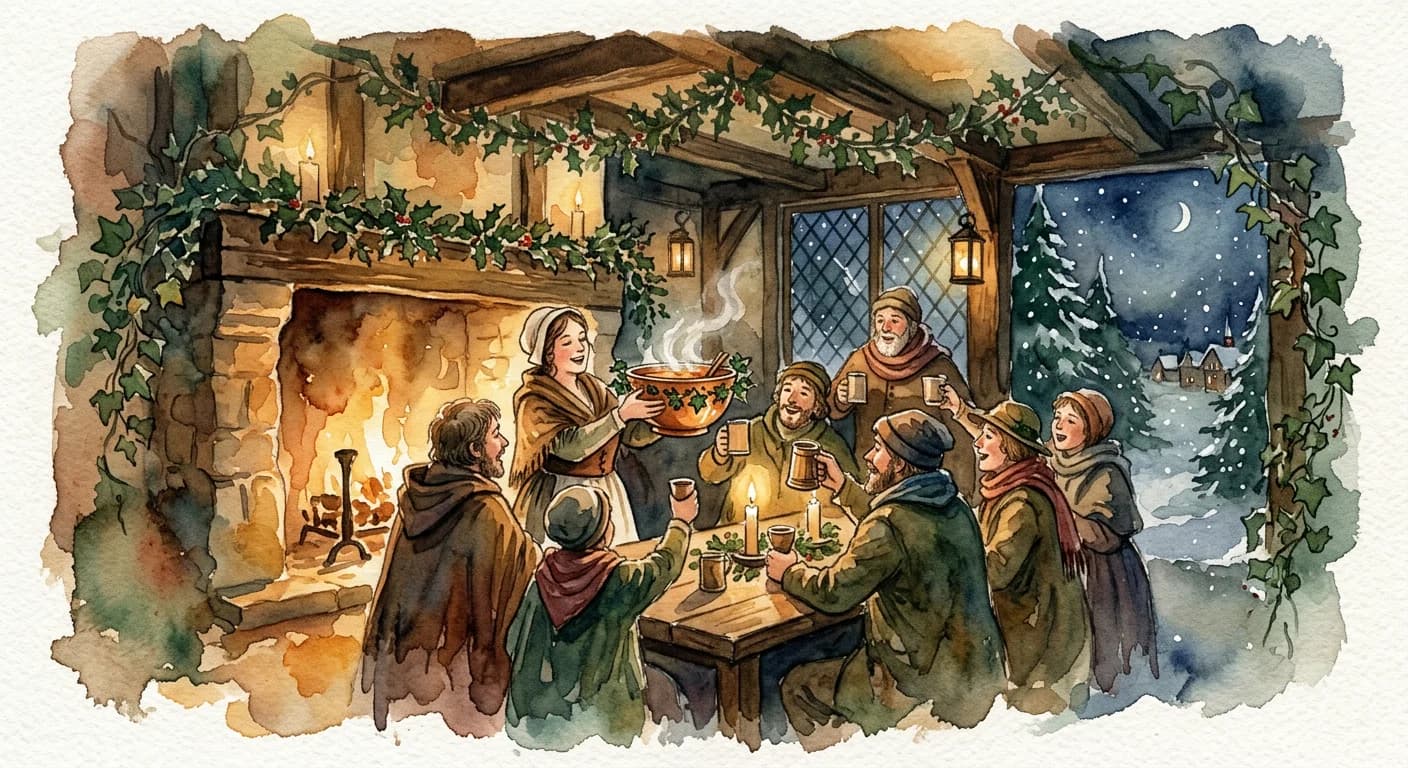
    Artistic representation of Wassail
    Old English•
    🇬🇧United Kingdom

    Wassail

    /WAH-suhl/

    Meaning

    Wassail encapsulates the joyous spirit of communal winter celebrations in Old English tradition. It refers both to a hearty, spiced alcoholic beverage, typically ale or mulled wine, and the lively custom of groups visiting homes, singing carols, and sharing good cheer for the coming year. This ancient ritual embodies a powerful sense of fellowship, abundance, and spirited revelry, fostering strong community bonds during the darkest days of winter. It's a robust expression of seasonal goodwill and shared prosperity, echoing traditions that long predate modern holiday festivities.

    Literal Translation

    Be well

    The Story Behind the Word

    The concept of 'wassail' is deeply rooted in the agricultural cycles and communal life of Anglo-Saxon and medieval England. Originating from the Old English 'wæs hæil' meaning 'be well' or 'be healthy,' it was initially a toast wishing good health, particularly to the crops and livestock. The act of wassailing orchards, for instance, involved making noise, singing, and pouring cider on tree roots to ward off evil spirits and ensure a bountiful harvest. This practice reflects a worldview where human well-being was intrinsically linked to the health of the land, and where communal rituals were vital for appeasing spirits and ensuring prosperity. It was a tangible expression of collective hope and resilience against the uncertainties of winter, solidifying social bonds through shared festivity and mutual well-wishing.

    Experience It

    Orchard Wassail Ritual

    Under the pale winter moon, a band of villagers gathered in Farmer Giles' apple orchard, torches flickering. They sang ancient chants, beat pots and pans, and poured cider around the gnarled apple trees, shouting, 'Wassail! Wassail! An apple in every bough!' to awaken the trees and bless the coming harvest.

    Door-to-Door Merriment

    On Christmas Eve, a group of carolers, cheeks rosy from the cold and perhaps a little ale, approached the manor house. They sang lustily of good tidings and cheer, hoping for a warm welcome and a share of the host's own wassail bowl, exchanging hearty 'Wassail!' greetings with the residents.

    The Deeper Meaning

    Wassail embodies a philosophy of collective resilience and shared abundance in the face of winter's scarcity. It highlights a pre-industrial understanding that human prosperity is deeply intertwined with natural cycles, and that communal rituals, good cheer, and mutual well-wishing are essential for ensuring the health of both the community and the land. It speaks to the power of human connection and festive celebration as a means to ward off hardship and cultivate hope.

    Did You Know?

    The word 'wassail' is believed to be one of the earliest recorded toasts in the English language, dating back to at least the 12th century, evolving from a simple greeting into a complex Yuletide tradition.

    How It's Used

    Used to describe a festive drink (mulled wine or ale) and the act of singing carols at people's doors during Yuletide celebrations.

    Emotions
    belonging,joy,warmth
    Contexts
    celebration,dining,friendship,seasons
    🇬🇧United Kingdom

    by Anya Petrova·Written Mar 14, 2026·Updated Apr 3, 2026

    Related Words

    Explore more
    HyggeDanish

    Hygge is more than mere coziness; it's a holistic embrace of comfort, warmth, and belonging that nourishes the soul. It describes the intentional creation of an intimate atmosphere where simple pleasures, genuine connection, and mindful presence converge, fostering a profound sense of contentment and well-being. It's about finding joy and peace in the small, everyday moments, often shared with loved ones.

    SaudadePortuguese

    Saudade encapsulates a profound, melancholic longing for something or someone cherished that is absent, often with the bittersweet knowledge that it may never return. It's a deep emotional state tinged with nostalgia, evoking a sense of loss for past experiences, places, or people, yet also holding a tender appreciation for the beauty of what once was. This yearning is not merely sadness, but a complex tapestry of desire, memory, and a poignant acceptance of absence, holding the beloved in a warm, persistent embrace within the heart.

    GezelligDutch

    Gezellig encapsulates a profound sense of warmth, belonging, and convivial comfort, extending beyond mere coziness to embrace the social and emotional atmosphere. It's the feeling of being truly at ease, surrounded by good company, laughter, and a shared sense of contentment. This untranslatable term describes not just a physical space, but a holistic experience where time seems to slow down, fostering genuine connection and a deep sense of well-being.

    Dolce far nienteItalian

    Dolce far niente captures the profound joy and effortless pleasure derived from simply existing without obligation or purpose. It's the art of savoring moments of pure, unadulterated idleness – lying in the sun, watching the clouds drift, or enjoying a leisurely coffee – not as a break from work, but as a valuable state in itself. This 'sweetness of doing nothing' is a conscious embrace of stillness and contentment, allowing the soul to breathe and the senses to fully engage with the present.