U.
HomeRegionsLanguagesEmotionsCollections
Find Your Word

“The limits of my language mean the limits of my world.”

— Ludwig Wittgenstein, Philosopher

Untranslatable

A curated collection of the world's most beautiful expressions—words that remind us language is humanity's greatest invention.

  • Home
  • Collections
  • Regions
  • Countries
  • Emotions
  • Tags
  • Contexts
  • Finder
  • Europe
  • Asia
  • Americas
  • Africa
  • Middle East
  • About
  • Contact
  • Privacy Policy
  • Terms of Service

2026 © Untranslatable. All rights reserved.

    /
    /
    1. Home
    2. /
    3. Asia
    4. /
    5. Amaeru
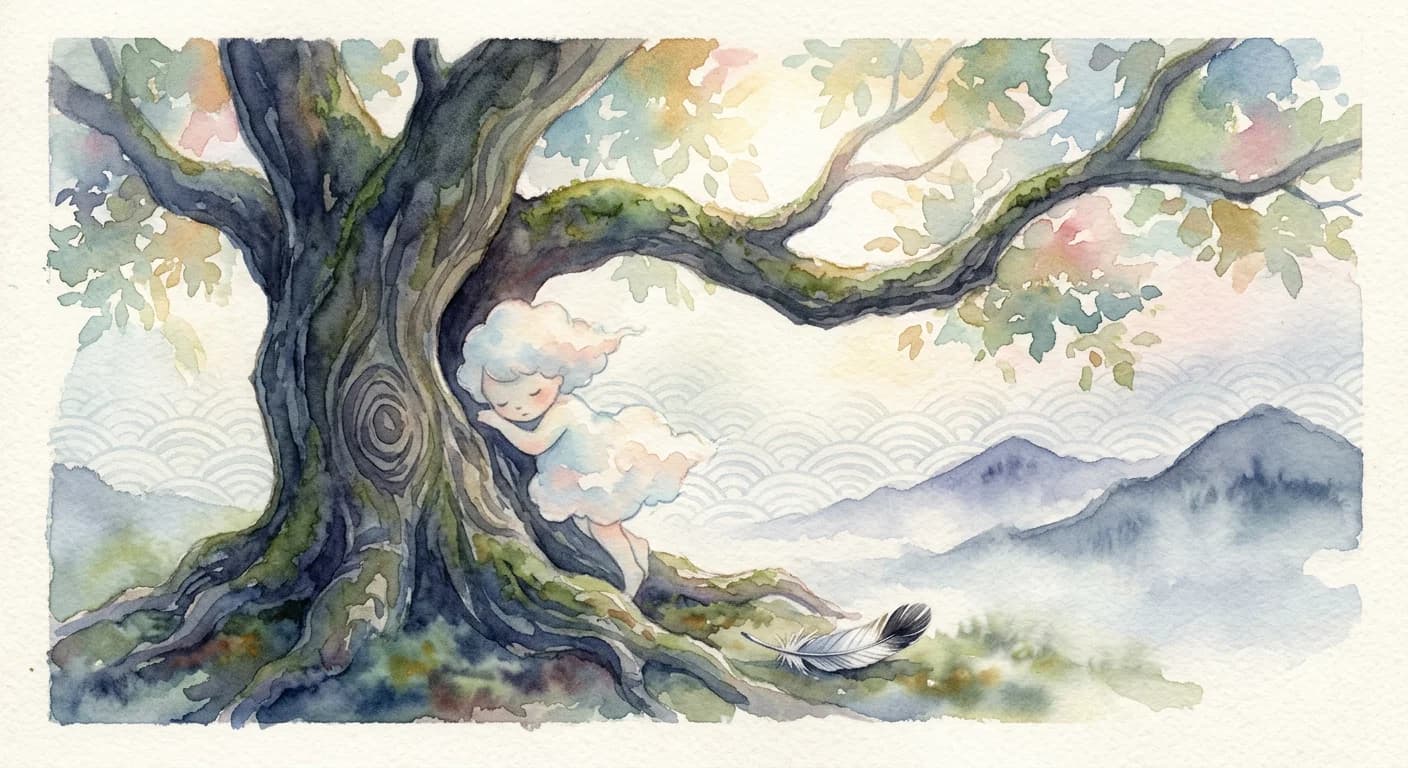
    Artistic representation of Amaeru
    Japanese•
    🇯🇵Japan

    Amaeru

    /ah-mah-EH-roo/

    Meaning

    Amaeru encapsulates the cherished Japanese art of indulging in affectionate dependence, like a child nestling into a parent's embrace. It's about playfully leveraging the deep trust within a close relationship, allowing oneself a moment of vulnerability and expectation, fully confident that the other person will tenderly accommodate and care for them. This act fosters a profound sense of mutual reliance and emotional security, weaving individuals into a comforting web of communal care where soft boundaries are a sign of intimacy, not weakness.

    Literal Translation

    To depend on, to presume upon another's love

    The Story Behind the Word

    The concept of amaeru is deeply rooted in Japan's historical emphasis on collectivism, harmony (wa), and the intricate web of social relationships. Unlike Western ideals of rugged individualism, Japanese society traditionally values interdependence, seeing it not as a loss of self but as a strength within a group. This ethos extends from the family unit, where the mother-child bond is seen as foundational, to broader societal interactions. Amaeru reflects a worldview where empathy, understanding unspoken needs (ishin-denshin), and nurturing close ties are paramount. It signifies a comfortable surrender of absolute autonomy within a trusted sphere, fostering emotional security and reinforcing social cohesion.

    Experience It

    The Tired Salaryman

    After a grueling week, Kenji comes home and sighs dramatically, dropping his briefcase by the door. His wife, understanding his unspoken plea, gently takes his coat, offers him a warm cup of tea, and suggests he relax while she prepares dinner, knowing he's 'amaeru-ing' for a moment of pampering.

    Friend's Gentle Favor

    Yuki calls her best friend, Mika, with a slightly whiny tone, admitting she's completely overwhelmed with work and needs help picking up a package. Mika, recognizing Yuki's 'amaeru' for assistance, readily agrees, understanding it's a sign of their deep, trusting friendship rather than a burden.

    The Deeper Meaning

    Amaeru reveals a profound philosophical stance on human connection: that true intimacy and security are found not in absolute independence, but in the reciprocal acceptance of vulnerability and reliance within trusted bonds. It suggests that allowing oneself to be cared for, and caring for others in return, is essential for a harmonious and emotionally rich existence, fundamentally challenging Western notions of self-sufficiency as the ultimate ideal.

    Did You Know?

    The renowned Japanese psychoanalyst Takeo Doi introduced 'amae' (the noun form of amaeru) to Western psychology, arguing it's a fundamental human need for passive love.

    How It's Used

    This concept is often discussed in relation to early childhood development and interpersonal relationships, particularly within families and close friendships in Japan. It's a fundamental aspect of social interaction, influencing how people approach dependence and care within their social circles.

    Emotions
    belonging,comfort,gratitude,love
    Contexts
    family,friendship,romance
    🇯🇵Japan

    by Annelise Dubois·Written Mar 14, 2026·Updated Apr 3, 2026

    Related Words

    Explore more
    SobremesaSpanish

    Sobremesa is the cherished, often extended period immediately following a meal, particularly lunch or dinner, where diners remain seated at the table to enjoy conversation, coffee, and digest not just the food, but the company itself. It’s a dedicated time for unhurried social bonding, storytelling, and shared laughter, transforming a simple meal into a profound communal experience. Far from just clearing the dishes, sobremesa is an integral part of Spanish social life, often lasting for hours.

    Wabi-sabiJapanese

    Wabi-sabi is the profound appreciation for the ephemeral, the imperfect, and the incomplete aspects of existence. It is about discovering beauty in the subtle textures of age, the unique character of flaws, and the gentle decay that marks the passage of time. This philosophy encourages a quiet acceptance of impermanence and a mindful connection to the natural world, finding elegance in simplicity and authenticity.

    IkigaiJapanese

    Ikigai is more than just a reason to get out of bed; it's a deeply personal and evolving sense of purpose that brings genuine fulfillment and joy to one's life. It represents the sweet spot where your passions, talents, needs of the world, and what you can be paid for beautifully converge. Discovering your ikigai often leads to a life lived with intentionality, resilience, and a profound connection to one's contributions. It's the intrinsic motivation that fuels a meaningful existence, regardless of external circumstances.

    NunchiKorean

    Nunchi is the sophisticated, almost telepathic, ability to instantly grasp the unspoken dynamics of any social situation, anticipating others' thoughts and feelings, and then responding with impeccable grace and timing. It's an acute form of social intuition, allowing one to navigate complex interpersonal landscapes by reading subtle cues like body language, tone, and context. Possessing good nunchi means effortlessly understanding the underlying emotional currents and adjusting one's behavior to maintain harmony and effectiveness, often without a single word exchanged.