U.
HomeRegionsLanguagesEmotionsCollections
Find Your Word

“The limits of my language mean the limits of my world.”

— Ludwig Wittgenstein, Philosopher

Untranslatable

A curated collection of the world's most beautiful expressions—words that remind us language is humanity's greatest invention.

  • Home
  • Collections
  • Regions
  • Countries
  • Emotions
  • Tags
  • Contexts
  • Finder
  • Europe
  • Asia
  • Americas
  • Africa
  • Middle East
  • About
  • Contact
  • Privacy Policy
  • Terms of Service

2026 © Untranslatable. All rights reserved.

    /
    /
    1. Home
    2. /
    3. Asia
    4. /
    5. Carabao
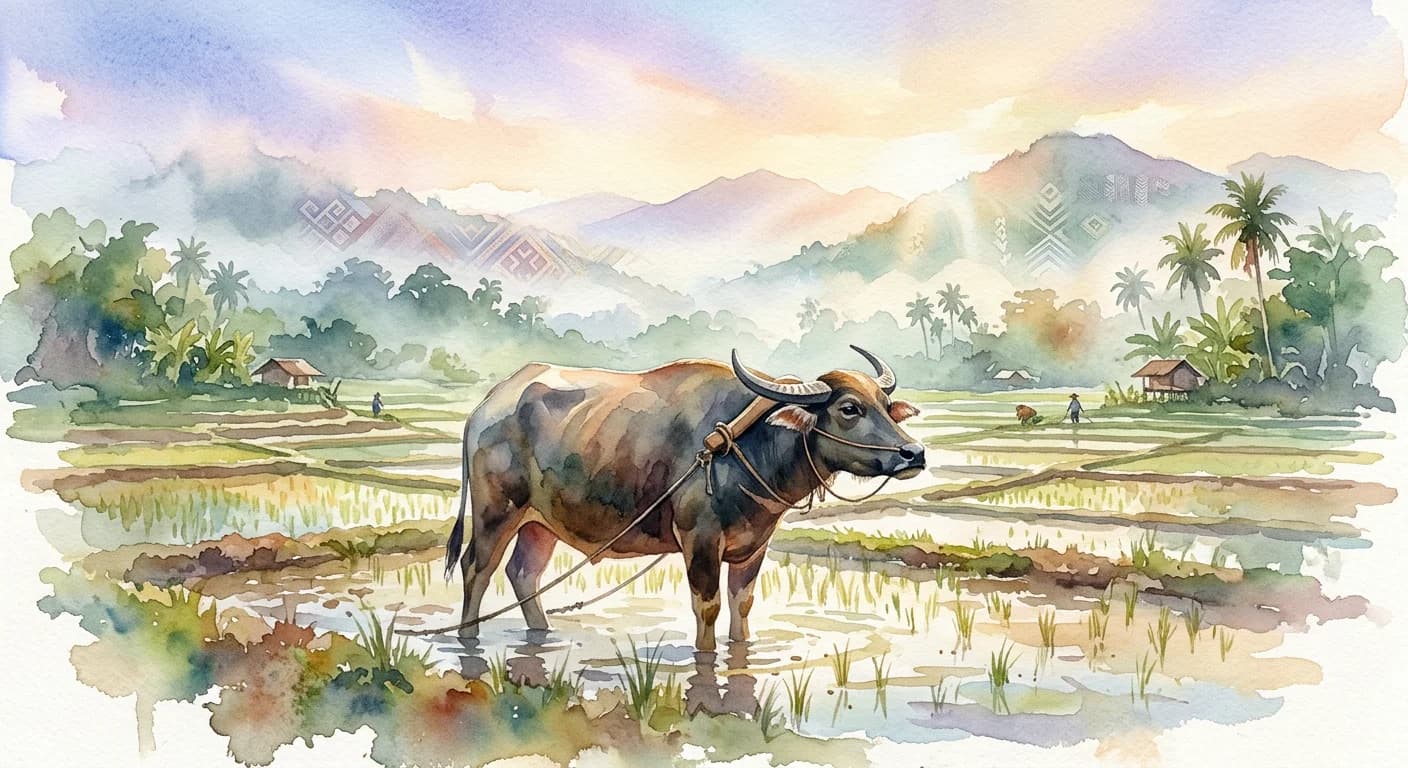
    Artistic representation of Carabao
    Tagalog•
    🇵🇭Philippines

    Carabao

    /kah-rah-BOW/

    Meaning

    The carabao is more than just a water buffalo; it is a revered symbol of Filipino steadfastness and the backbone of the archipelago's agricultural heritage. With its powerful build and placid demeanor, it tirelessly plows the rice paddies, transports harvests, and endures the tropical sun, embodying an unwavering spirit of hard work and resilience. Its presence speaks to a deep, ancestral connection to the land and the sustainable rhythms of rural life, reflecting a quiet strength that is fundamental to the Filipino identity.

    Literal Translation

    Water buffalo

    The Story Behind the Word

    The carabao's deep cultural significance in the Philippines stems from centuries of its indispensable role in farming and daily life. It is not merely livestock but a cherished member of the family, often given personal names and treated with respect. Its image is etched into folk tales, proverbs, and art, symbolizing the enduring spirit of the Filipino farmer – patient, strong, and dedicated to providing sustenance. The carabao's existence reveals a worldview that values perseverance, community, and a harmonious relationship with nature, where hard labor is not a burden but a dignified path to survival and prosperity. It embodies the 'bayanihan' spirit of communal effort and mutual aid, as neighbors often share their carabaos for plowing.

    Experience It

    Plowing the Fields

    Under the scorching morning sun, Tatay Cardo gently guided his carabao, 'Bantay,' across the muddy rice field. With each steady step and powerful pull of the plow, Bantay transformed the earth, preparing it for the new planting season, a silent testament to their shared labor and the promise of a bountiful harvest.

    Carabao's Steadfastness

    During the town fiesta, Mang Tonyo was praised for his unwavering dedication to his community, always the first to volunteer and the last to leave. His neighbors affectionately remarked, 'He's like a carabao, never complaining, always working hard for the good of everyone.' His steadfastness was a source of inspiration.

    The Deeper Meaning

    The 'carabao' embodies a profound philosophy of 'pagtitiyaga' (perseverance) and 'sipag' (diligence). It reflects a worldview where quiet strength, humility, and steadfastness in the face of adversity are highly valued virtues. The carabao's unwavering commitment to its work, despite challenging conditions, serves as a metaphor for the Filipino spirit of resilience and enduring hope, finding dignity in labor and sustainability in harmony with nature.

    Did You Know?

    Carabaos love to wallow in mud and water, not just to cool down, but also to coat their skin, which helps protect them from insect bites and the intense tropical sun!

    How It's Used

    Used to refer to the animal itself, and metaphorically to describe someone who is strong, hardworking, or stubborn.

    Emotions
    belonging,gratitude,resilience
    Contexts
    family,nature,work
    🇵🇭Philippines

    by Annelise Dubois·Written Mar 14, 2026·Updated Apr 3, 2026

    Related Words

    Explore more
    SobremesaSpanish

    Sobremesa is the cherished, often extended period immediately following a meal, particularly lunch or dinner, where diners remain seated at the table to enjoy conversation, coffee, and digest not just the food, but the company itself. It’s a dedicated time for unhurried social bonding, storytelling, and shared laughter, transforming a simple meal into a profound communal experience. Far from just clearing the dishes, sobremesa is an integral part of Spanish social life, often lasting for hours.

    Wabi-sabiJapanese

    Wabi-sabi is the profound appreciation for the ephemeral, the imperfect, and the incomplete aspects of existence. It is about discovering beauty in the subtle textures of age, the unique character of flaws, and the gentle decay that marks the passage of time. This philosophy encourages a quiet acceptance of impermanence and a mindful connection to the natural world, finding elegance in simplicity and authenticity.

    IkigaiJapanese

    Ikigai is more than just a reason to get out of bed; it's a deeply personal and evolving sense of purpose that brings genuine fulfillment and joy to one's life. It represents the sweet spot where your passions, talents, needs of the world, and what you can be paid for beautifully converge. Discovering your ikigai often leads to a life lived with intentionality, resilience, and a profound connection to one's contributions. It's the intrinsic motivation that fuels a meaningful existence, regardless of external circumstances.

    NunchiKorean

    Nunchi is the sophisticated, almost telepathic, ability to instantly grasp the unspoken dynamics of any social situation, anticipating others' thoughts and feelings, and then responding with impeccable grace and timing. It's an acute form of social intuition, allowing one to navigate complex interpersonal landscapes by reading subtle cues like body language, tone, and context. Possessing good nunchi means effortlessly understanding the underlying emotional currents and adjusting one's behavior to maintain harmony and effectiveness, often without a single word exchanged.