U.
HomeRegionsLanguagesEmotionsCollections
Find Your Word

“The limits of my language mean the limits of my world.”

— Ludwig Wittgenstein, Philosopher

Untranslatable

A curated collection of the world's most beautiful expressions—words that remind us language is humanity's greatest invention.

  • Home
  • Collections
  • Regions
  • Countries
  • Emotions
  • Tags
  • Contexts
  • Finder
  • Europe
  • Asia
  • Americas
  • Africa
  • Middle East
  • About
  • Contact
  • Privacy Policy
  • Terms of Service

2026 © Untranslatable. All rights reserved.

    /
    /
    1. Home
    2. /
    3. Middle East
    4. /
    5. Bulbul
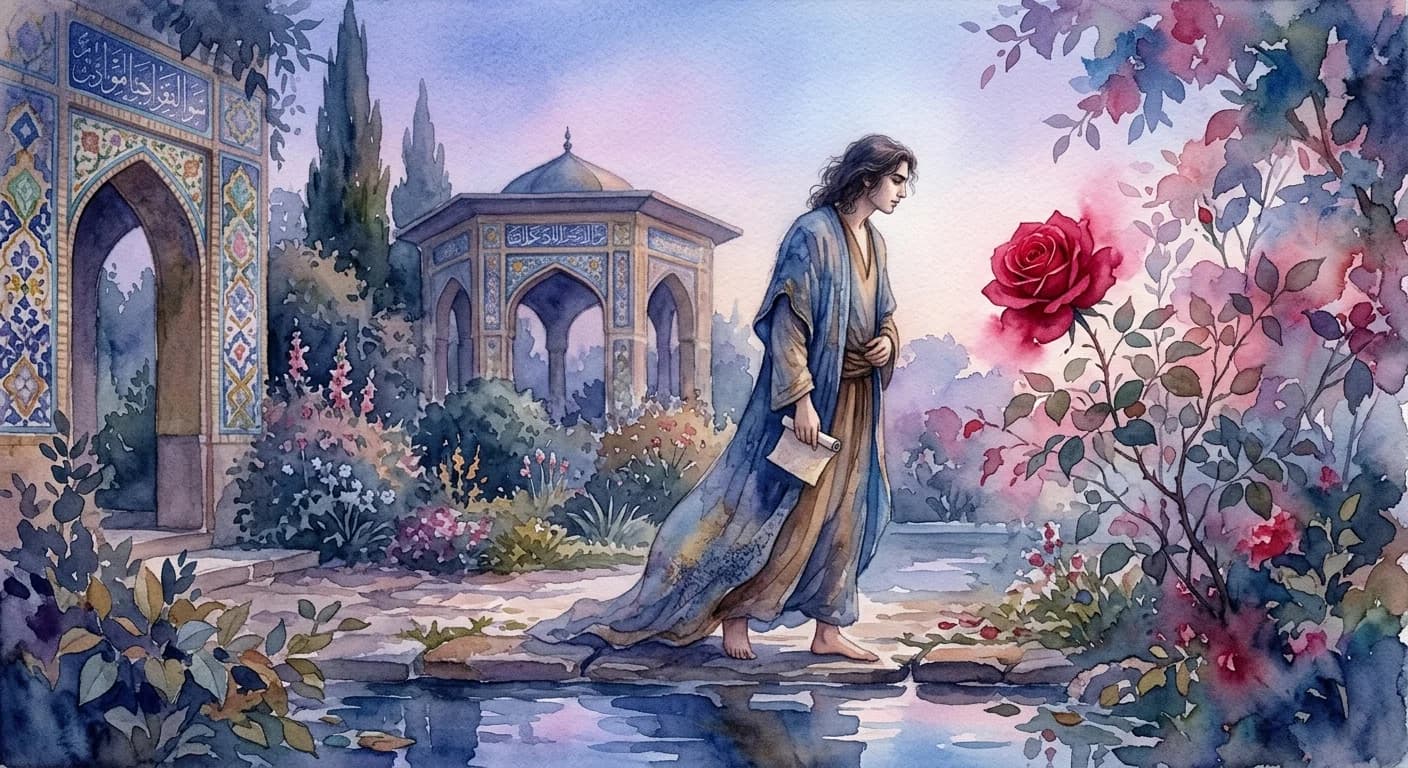
    Artistic representation of Bulbul
    Persian•
    🇮🇳India🇮🇷Iran🇵🇰Pakistan

    Bulbul

    /BUL-bul/

    Meaning

    The "Bulbul" transcends its literal meaning of nightingale or bulbul bird in Persian and Urdu cultures to embody the quintessential ardent lover or poet. Its ceaseless, melodious song symbolizes an intense, often unrequited, yearning and devotion, typically directed towards the beloved, frequently personified as the rose. This evocative term captures a profound aesthetic melancholy and romantic fervor, deeply intertwined with nature and the rich tradition of poetic expression, representing a soul consumed by passionate longing.

    Literal Translation

    Nightingale / Bulbul bird

    The Story Behind the Word

    The bulbul's symbolic weight in Persian culture stems from its integration into classical Persian poetry, particularly Sufi mystical traditions. For centuries, poets like Hafez and Rumi have employed the bulbul and rose motif to explore themes of divine love, spiritual longing, and the pain of separation from the Beloved (God). This imagery reflects a worldview where beauty in nature is a mirror of divine perfection, and human emotions, especially love and sorrow, are pathways to spiritual understanding. The bulbul's persistent, plaintive song signifies the soul's relentless quest for union, embodying an enduring cultural value placed on emotional depth, poetic expression, and the transformative power of love, even in its most melancholic forms. It reveals a culture that finds profound meaning in the interplay of nature, emotion, and the divine.

    Experience It

    Poet's Melancholy Song

    The young poet sat by the window, his gaze fixed on the moon. He felt like a bulbul, pouring out his heart in verses, hoping his beloved would hear the lament of his unrequited love carried on the night air.

    Unwavering Devotion

    Despite years of separation, her love for him remained steadfast, like the bulbul's devotion to the rose, forever singing its praises. Her heart held an unwavering, beautiful ache, a testament to their bond.

    The Deeper Meaning

    The bulbul embodies a philosophy deeply rooted in Persian mysticism, where intense longing and even sorrow are not weaknesses but pathways to higher understanding and divine connection. It suggests that true love, whether human or spiritual, involves a profound sense of yearning and a willingness to express that devotion, even if it leads to melancholy. This perspective elevates emotional depth and poetic expression as essential components of the human experience and spiritual journey.

    Did You Know?

    In Persian poetry, the bulbul's love for the rose is often depicted as unrequited, with the rose remaining indifferent, symbolizing the often painful and one-sided nature of deep spiritual or romantic devotion.

    How It's Used

    The word is commonly used in poetry, literature, and everyday conversation, often in a romantic or metaphorical context. It is also the common name for several species of birds found in South Asia and the Middle East.

    Emotions
    longing,love,melancholy
    Contexts
    nature,romance,storytelling
    🇮🇳India🇮🇷Iran🇵🇰Pakistan

    by Anya Petrova·Written Mar 14, 2026·Updated Apr 3, 2026

    Related Words

    Explore more
    SaudadePortuguese

    Saudade encapsulates a profound, melancholic longing for something or someone cherished that is absent, often with the bittersweet knowledge that it may never return. It's a deep emotional state tinged with nostalgia, evoking a sense of loss for past experiences, places, or people, yet also holding a tender appreciation for the beauty of what once was. This yearning is not merely sadness, but a complex tapestry of desire, memory, and a poignant acceptance of absence, holding the beloved in a warm, persistent embrace within the heart.

    JugaadHindi

    Jugaad is more than just a quick fix; it embodies the spirit of resourceful, ingenious improvisation in the face of scarcity or systemic challenges. It's the art of bending rules, repurposing materials, and thinking outside the box to achieve a desired outcome, often with limited financial or technological resources. This approach celebrates clever workarounds and innovative adaptations, turning constraints into catalysts for creative problem-solving. It's about making do and making something work, brilliantly.

    MamihlapinatapaiYaghan

    Mamihlapinatapai encapsulates that profound, unspoken moment when two individuals lock eyes, each silently acknowledging a mutual desire or intention, yet both hesitate to be the first to act upon it. It's a delicate dance of anticipation, a shared gaze brimming with common understanding and a quiet longing for the other to break the ice. This intricate look carries the weight of a shared, uninitiated potential, a silent conversation where both parties are perfectly aware of what could happen, but neither makes the first move.

    TarofPersian

    Tarof is a deeply ingrained Iranian social custom, a delicate dance of politeness and deference where individuals engage in an elaborate exchange of offers and refusals. It's a performative humility, a way of showing respect and avoiding imposing, often involving multiple cycles of insistence and polite decline before a genuine acceptance or refusal is reached. This intricate ritual governs interactions from sharing food to paying bills, creating a nuanced social ballet.