U.
HomeRegionsLanguagesEmotionsCollections
Find Your Word

“The limits of my language mean the limits of my world.”

— Ludwig Wittgenstein, Philosopher

Untranslatable

A curated collection of the world's most beautiful expressions—words that remind us language is humanity's greatest invention.

  • Home
  • Collections
  • Regions
  • Countries
  • Emotions
  • Tags
  • Contexts
  • Finder
  • Europe
  • Asia
  • Americas
  • Africa
  • Middle East
  • About
  • Contact
  • Privacy Policy
  • Terms of Service

2026 © Untranslatable. All rights reserved.

    /
    /
    1. Home
    2. /
    3. Europe
    4. /
    5. Cucina povera
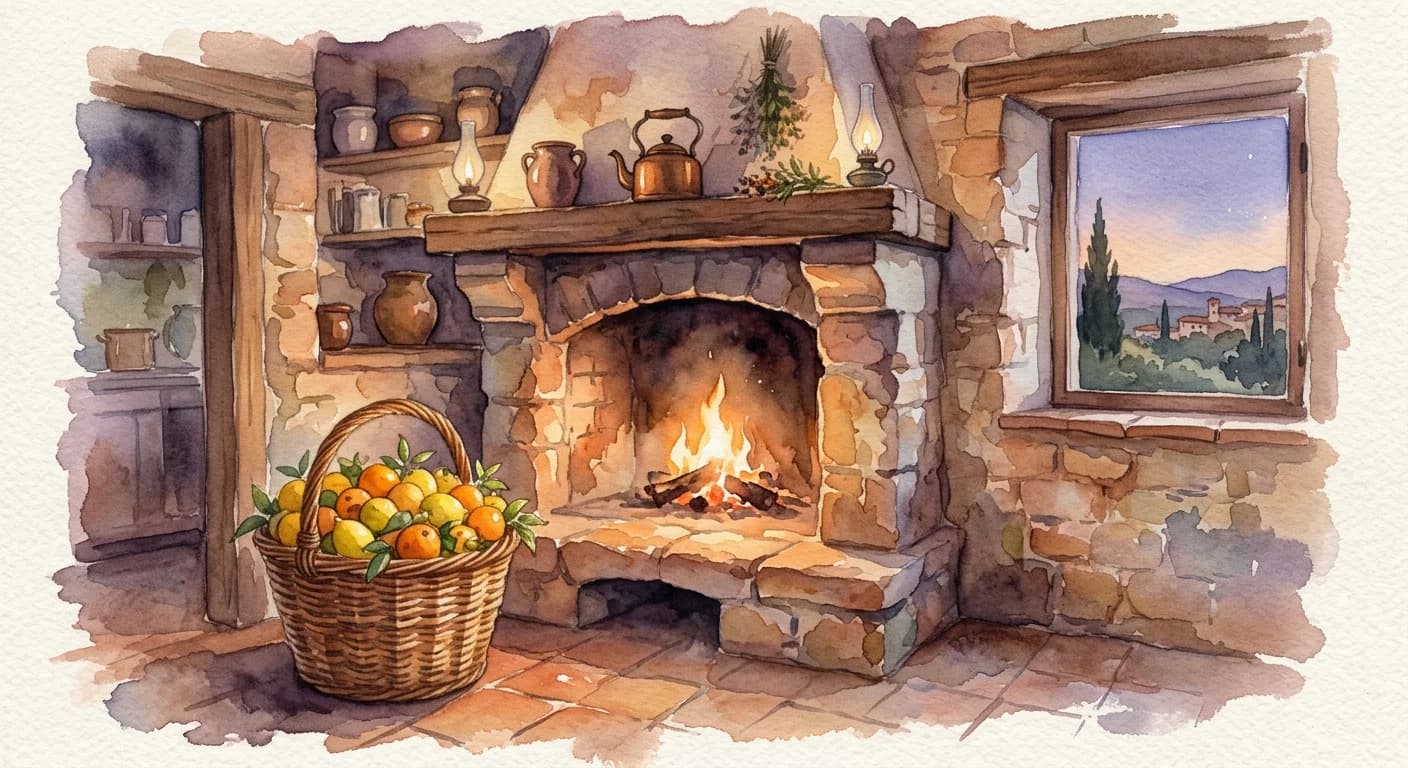
    Artistic representation of Cucina povera
    Italian•
    🇮🇹Italy

    Cucina povera

    /koo-CHEE-nah POH-veh-rah/

    Meaning

    Cucina povera, literally "poor cooking," is a profound culinary philosophy born from necessity and ingenuity in Italy's rural heartland. It champions the art of transforming humble, seasonal ingredients – garden vegetables, legumes, grains, and often overlooked cuts of meat – into dishes bursting with flavor and comfort. This approach isn't about deprivation, but rather a celebration of resourcefulness that honors the land, minimizes waste, and finds true gastronomic richness in simplicity and tradition.

    Literal Translation

    Poor cooking

    The Story Behind the Word

    Cucina povera emerged from centuries of economic hardship and an agrarian lifestyle where survival depended on making the absolute most of every harvest and every scrap. It's deeply rooted in the mezzadria (sharecropping) system and the self-sufficiency of peasant life, particularly in regions like Tuscany, Umbria, and Southern Italy. This philosophy reflects a profound respect for food as sustenance, a rejection of waste, and a deep connection to local terroir. It embodies the Italian spirit of resilience and creativity, showing how adversity can cultivate an enduring culinary heritage. It reveals a worldview where true value lies not in extravagance, but in the skillful transformation of simple elements into something nourishing and deeply satisfying, often shared communally.

    Experience It

    Grandma's Revived Stew

    Nonna Maria surveys her garden, spotting a few wilting greens and a handful of forgotten beans. Instead of discarding them, she smiles, knowing they'll form the delicious base of tonight's minestra, a testament to her lifelong practice of cucina povera, ensuring nothing goes to waste and every meal is hearty.

    Trattoria's Daily Special

    At a rustic trattoria in Puglia, the chef proudly announces the 'piatto del giorno' – orecchiette with cima di rapa and a sprinkle of stale breadcrumbs. It's a dish born from generations of cucina povera, using readily available local produce to create a meal that's both authentic and incredibly flavorful, without relying on expensive ingredients.

    The Deeper Meaning

    Cucina povera embodies a philosophy of gratitude, ingenuity, and sustainability. It teaches that true abundance isn't found in limitless resources, but in the wisdom to appreciate and transform what's at hand. It's a powerful reminder that creativity flourishes under constraint, fostering a deep respect for nature's bounty and the hands that prepare it, rejecting the modern impulse towards excess.

    Did You Know?

    Many iconic Italian dishes, like ribollita (Tuscan bread and vegetable soup) and pasta e fagioli, originated directly from the principles of cucina povera, turning yesterday's leftovers into today's gourmet comfort food.

    How It's Used

    Used to describe a traditional style of Italian cooking that emphasizes simple, seasonal, and often locally sourced ingredients, prioritizing resourcefulness and flavor over extravagance.

    Emotions
    belonging,comfort,gratitude,warmth
    Contexts
    dining,family,seasons
    🇮🇹Italy

    by Sofia Rossi·Written Mar 14, 2026·Updated Apr 3, 2026

    Related Words

    Explore more
    HyggeDanish

    Hygge is more than mere coziness; it's a holistic embrace of comfort, warmth, and belonging that nourishes the soul. It describes the intentional creation of an intimate atmosphere where simple pleasures, genuine connection, and mindful presence converge, fostering a profound sense of contentment and well-being. It's about finding joy and peace in the small, everyday moments, often shared with loved ones.

    SaudadePortuguese

    Saudade encapsulates a profound, melancholic longing for something or someone cherished that is absent, often with the bittersweet knowledge that it may never return. It's a deep emotional state tinged with nostalgia, evoking a sense of loss for past experiences, places, or people, yet also holding a tender appreciation for the beauty of what once was. This yearning is not merely sadness, but a complex tapestry of desire, memory, and a poignant acceptance of absence, holding the beloved in a warm, persistent embrace within the heart.

    GezelligDutch

    Gezellig encapsulates a profound sense of warmth, belonging, and convivial comfort, extending beyond mere coziness to embrace the social and emotional atmosphere. It's the feeling of being truly at ease, surrounded by good company, laughter, and a shared sense of contentment. This untranslatable term describes not just a physical space, but a holistic experience where time seems to slow down, fostering genuine connection and a deep sense of well-being.

    Dolce far nienteItalian

    Dolce far niente captures the profound joy and effortless pleasure derived from simply existing without obligation or purpose. It's the art of savoring moments of pure, unadulterated idleness – lying in the sun, watching the clouds drift, or enjoying a leisurely coffee – not as a break from work, but as a valuable state in itself. This 'sweetness of doing nothing' is a conscious embrace of stillness and contentment, allowing the soul to breathe and the senses to fully engage with the present.