U.
HomeRegionsLanguagesEmotionsCollections
Find Your Word

“The limits of my language mean the limits of my world.”

— Ludwig Wittgenstein, Philosopher

Untranslatable

A curated collection of the world's most beautiful expressions—words that remind us language is humanity's greatest invention.

  • Home
  • Collections
  • Regions
  • Countries
  • Emotions
  • Tags
  • Contexts
  • Finder
  • Europe
  • Asia
  • Americas
  • Africa
  • Middle East
  • About
  • Contact
  • Privacy Policy
  • Terms of Service

2026 © Untranslatable. All rights reserved.

    /
    /
    1. Home
    2. /
    3. Americas
    4. /
    5. Aliwen
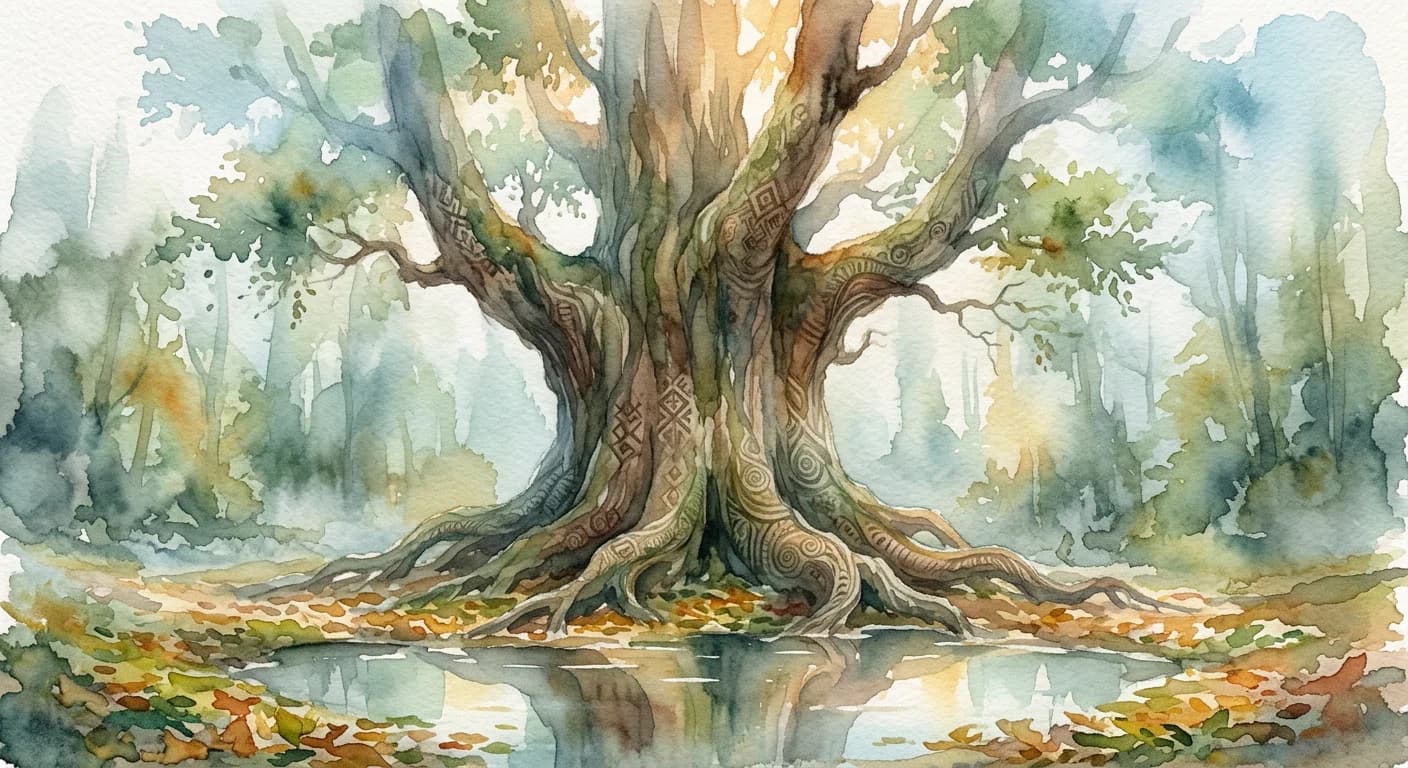
    Artistic representation of Aliwen
    Mapudungun•
    🇦🇷Argentina🇨🇱Chile

    Aliwen

    /AH-lee-wen/

    Meaning

    Aliwen signifies the sacred trees, most notably the towering Alerce, revered by the Mapuche people as living ancestors and spiritual guardians. It embodies an profound, active connection to the earth's memory, ancestral wisdom, and the very essence of life itself. These ancient beings are seen not merely as plants, but as resilient witnesses to time, powerful symbols of interconnectedness that hold the wisdom of generations and demand reciprocal respect and care from humanity.

    Literal Translation

    Tree (specifically referring to sacred trees like the Alerce)

    The Story Behind the Word

    The concept of "Aliwen" is central to Mapuche cosmology, reflecting a worldview where nature is not separate from humanity but intrinsically linked and imbued with spirit. For the Mapuche, the land (Mapu) and its ancient trees are sacred, embodying the memory of their ancestors and serving as conduits to the spiritual realm. The Alerce, with its millennia-long lifespan, is particularly revered as a living elder, a silent observer of history and a repository of knowledge. This word exists because it encapsulates a deep ecological ethic and a spiritual relationship with the environment that has sustained the Mapuche people for centuries, emphasizing balance, respect, and reciprocity (küme mongen – 'good living') within the natural world. It reveals a culture that perceives the natural world as a community of intelligent, sentient beings deserving of reverence and protection.

    Experience It

    Sacred Grove Ceremony

    During a Nguillatun ceremony, the Machi (spiritual leader) approaches the ancient Alerce, offering prayers and tobacco. She explains to the children that this Aliwen connects them to their ancestors, its deep roots mirroring their own heritage, and its branches reaching towards the Wenumapu, the sky world.

    Protecting the Forest

    A Mapuche elder stands before a group of loggers, his voice firm. 'You cannot fell this forest. These are not merely trees; they are Aliwen. They are the lungs of our land, the homes of our Ngen (spirits), and the living memory of our people. To destroy them is to destroy ourselves.'

    The Deeper Meaning

    Aliwen reveals a profound eco-spiritual philosophy where the natural world possesses agency, wisdom, and sacredness. It underscores the Mapuche belief in 'Az Mapu' – the natural order and moral code of the land – dictating that humans are not masters but integral parts of an interconnected web of life. This perspective champions a reciprocal relationship with nature, where reverence and stewardship are paramount for collective well-being and spiritual harmony.

    Did You Know?

    The Alerce, a primary Aliwen, is one of the longest-living tree species on Earth, with some individuals estimated to be over 3,600 years old, making them true living monuments of history.

    How It's Used

    Used in contexts discussing Mapuche cosmology, spirituality, environmentalism, and cultural heritage, often referring to the Alerce tree or sacred groves.

    Emotions
    belonging,gratitude,peace,wonder
    Contexts
    nature,spirituality,tradition
    🇦🇷Argentina🇨🇱Chile

    by Sofia Rossi·Written Mar 14, 2026·Updated Apr 3, 2026

    Related Words

    Explore more
    Dolce far nienteItalian

    Dolce far niente captures the profound joy and effortless pleasure derived from simply existing without obligation or purpose. It's the art of savoring moments of pure, unadulterated idleness – lying in the sun, watching the clouds drift, or enjoying a leisurely coffee – not as a break from work, but as a valuable state in itself. This 'sweetness of doing nothing' is a conscious embrace of stillness and contentment, allowing the soul to breathe and the senses to fully engage with the present.

    SobremesaSpanish

    Sobremesa is the cherished, often extended period immediately following a meal, particularly lunch or dinner, where diners remain seated at the table to enjoy conversation, coffee, and digest not just the food, but the company itself. It’s a dedicated time for unhurried social bonding, storytelling, and shared laughter, transforming a simple meal into a profound communal experience. Far from just clearing the dishes, sobremesa is an integral part of Spanish social life, often lasting for hours.

    Pura vidaSpanish

    More than just 'pure life,' "Pura vida" encapsulates a profound philosophy of embracing the present moment with unwavering optimism and gratitude. It's a daily commitment to finding joy in simple pleasures, accepting life's challenges with a positive spirit, and prioritizing well-being over material possessions. This ubiquitous phrase reflects a national identity built on resilience, community, and an deep appreciation for nature's bounty.

    MamihlapinatapaiYaghan

    Mamihlapinatapai encapsulates that profound, unspoken moment when two individuals lock eyes, each silently acknowledging a mutual desire or intention, yet both hesitate to be the first to act upon it. It's a delicate dance of anticipation, a shared gaze brimming with common understanding and a quiet longing for the other to break the ice. This intricate look carries the weight of a shared, uninitiated potential, a silent conversation where both parties are perfectly aware of what could happen, but neither makes the first move.