U.
HomeRegionsLanguagesEmotionsCollections
Find Your Word

“The limits of my language mean the limits of my world.”

— Ludwig Wittgenstein, Philosopher

Untranslatable

A curated collection of the world's most beautiful expressions—words that remind us language is humanity's greatest invention.

  • Home
  • Collections
  • Regions
  • Countries
  • Emotions
  • Tags
  • Contexts
  • Finder
  • Europe
  • Asia
  • Americas
  • Africa
  • Middle East
  • About
  • Contact
  • Privacy Policy
  • Terms of Service

2026 © Untranslatable. All rights reserved.

    /
    /
    1. Home
    2. /
    3. Americas
    4. /
    5. Aloha ʻāina
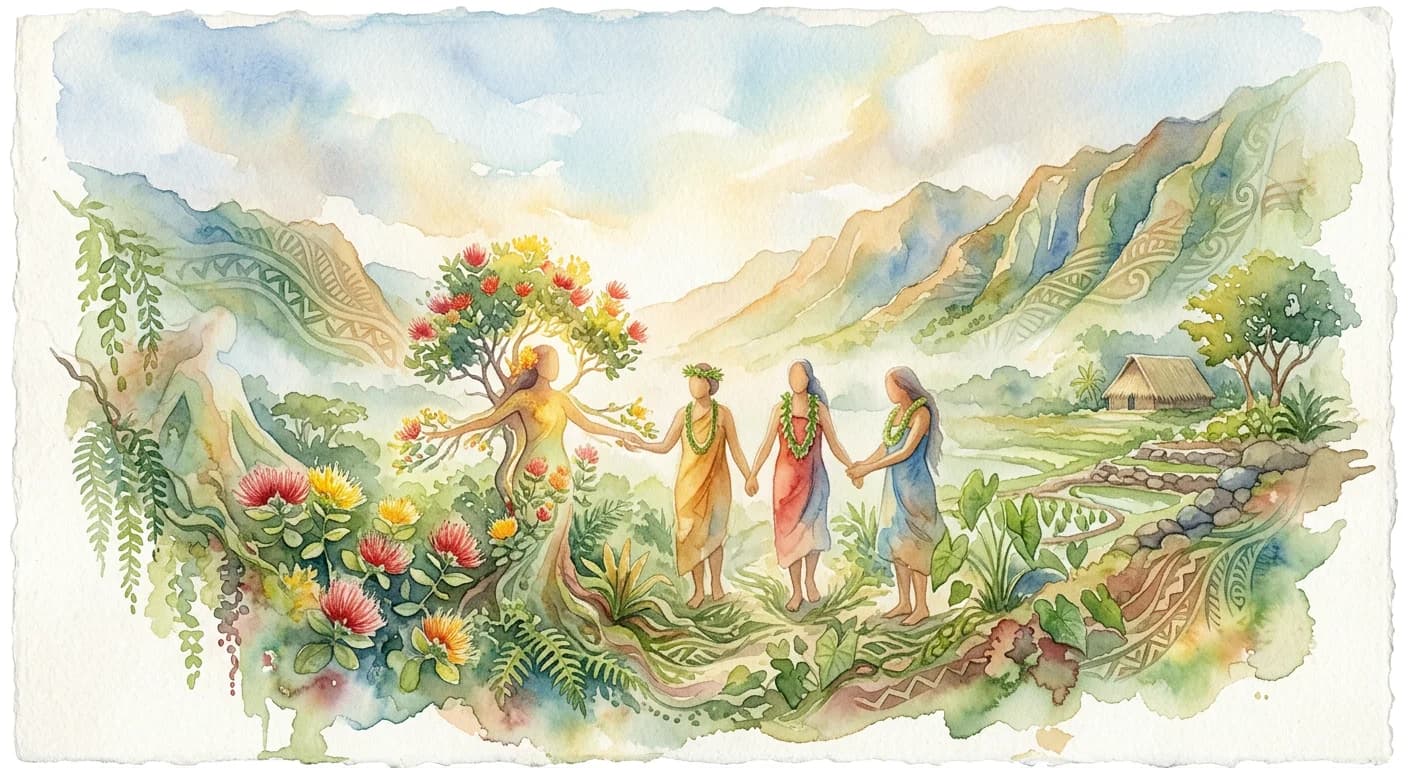
    Artistic representation of Aloha ʻāina
    Hawaiian•
    🇺🇸United States

    Aloha ʻāina

    /ah-LOH-hah EYE-nah/

    Meaning

    Aloha ʻāina encapsulates an unwavering, sacred love for the land, far surpassing mere appreciation to embody a profound spiritual bond. It signifies a dynamic, reciprocal relationship where human well-being is inextricably linked to the health and vitality of the natural world. This concept fosters a deep sense of belonging, stewardship, and personal responsibility, affirming that the land not only sustains life but also defines identity and cultural continuity for the Hawaiian people.

    Literal Translation

    Love land

    The Story Behind the Word

    Aloha ʻāina is the cornerstone of traditional Hawaiian society, born from centuries of intimate observation and harmonious interaction with the unique island environment. It reflects a worldview where all elements of nature—from mountains to ocean, plants to animals—are considered family (ʻohana) and ancestors. This belief system, rooted in the Kumulipo (the Hawaiian creation chant), posits that humans are genealogically connected to the land, arising from it and thus having a kuleana (privilege and responsibility) to care for it. The concept permeated every aspect of life, from resource management (ahupuaʻa system) to spiritual practices and cultural identity, shaping a society that thrived by honoring and protecting its natural resources. The very existence of this word reveals a culture that perceives itself as an integral, rather than dominant, part of the ecosystem.

    Experience It

    Protecting Sacred Land

    A group of kūpuna (elders) and young activists stand united, blocking construction on a pristine coastal area. Their chants of 'Aloha ʻāina!' resonate, signifying their deep love and commitment to protecting their ancestral lands from development, embodying their kuleana (responsibility) to future generations.

    Restoring the Loʻi

    Under the hot sun, a community gathers to clear weeds and repair irrigation channels in an ancient taro patch (loʻi). As they work side-by-side, sharing stories and laughter, their efforts are a living expression of aloha ʻāina, nurturing the land that has sustained their families for centuries and ensuring its continued abundance.

    The Deeper Meaning

    Aloha ʻāina reveals a profound ecological philosophy where humanity is not separate from nature but an intrinsic part of it. It posits that true well-being—both individual and collective—stems from a balanced, respectful, and reciprocal relationship with the environment. This worldview emphasizes interdependence, long-term sustainability, and the spiritual interconnectedness of all life, offering a powerful counter-narrative to anthropocentric perspectives.

    Did You Know?

    The phrase 'Aloha ʻāina' gained significant prominence as a rallying cry during the Hawaiian sovereignty movement, symbolizing resistance against perceived injustices and the fight for self-determination and environmental protection.

    How It's Used

    Used to express deep love, respect, and connection to the land, often in contexts of environmental activism, cultural preservation, and personal identity.

    Emotions
    belonging,gratitude,love,peace
    Contexts
    family,nature,work
    🇺🇸United States

    by Annelise Dubois·Written Mar 14, 2026·Updated Apr 3, 2026

    Related Words

    Explore more
    Dolce far nienteItalian

    Dolce far niente captures the profound joy and effortless pleasure derived from simply existing without obligation or purpose. It's the art of savoring moments of pure, unadulterated idleness – lying in the sun, watching the clouds drift, or enjoying a leisurely coffee – not as a break from work, but as a valuable state in itself. This 'sweetness of doing nothing' is a conscious embrace of stillness and contentment, allowing the soul to breathe and the senses to fully engage with the present.

    SobremesaSpanish

    Sobremesa is the cherished, often extended period immediately following a meal, particularly lunch or dinner, where diners remain seated at the table to enjoy conversation, coffee, and digest not just the food, but the company itself. It’s a dedicated time for unhurried social bonding, storytelling, and shared laughter, transforming a simple meal into a profound communal experience. Far from just clearing the dishes, sobremesa is an integral part of Spanish social life, often lasting for hours.

    Pura vidaSpanish

    More than just 'pure life,' "Pura vida" encapsulates a profound philosophy of embracing the present moment with unwavering optimism and gratitude. It's a daily commitment to finding joy in simple pleasures, accepting life's challenges with a positive spirit, and prioritizing well-being over material possessions. This ubiquitous phrase reflects a national identity built on resilience, community, and an deep appreciation for nature's bounty.

    MamihlapinatapaiYaghan

    Mamihlapinatapai encapsulates that profound, unspoken moment when two individuals lock eyes, each silently acknowledging a mutual desire or intention, yet both hesitate to be the first to act upon it. It's a delicate dance of anticipation, a shared gaze brimming with common understanding and a quiet longing for the other to break the ice. This intricate look carries the weight of a shared, uninitiated potential, a silent conversation where both parties are perfectly aware of what could happen, but neither makes the first move.