U.
HomeRegionsLanguagesEmotionsCollections
Find Your Word

“The limits of my language mean the limits of my world.”

— Ludwig Wittgenstein, Philosopher

Untranslatable

A curated collection of the world's most beautiful expressions—words that remind us language is humanity's greatest invention.

  • Home
  • Collections
  • Regions
  • Countries
  • Emotions
  • Tags
  • Contexts
  • Finder
  • Europe
  • Asia
  • Americas
  • Africa
  • Middle East
  • About
  • Contact
  • Privacy Policy
  • Terms of Service

2026 © Untranslatable. All rights reserved.

    /
    /
    1. Home
    2. /
    3. Africa
    4. /
    5. Amakhosi
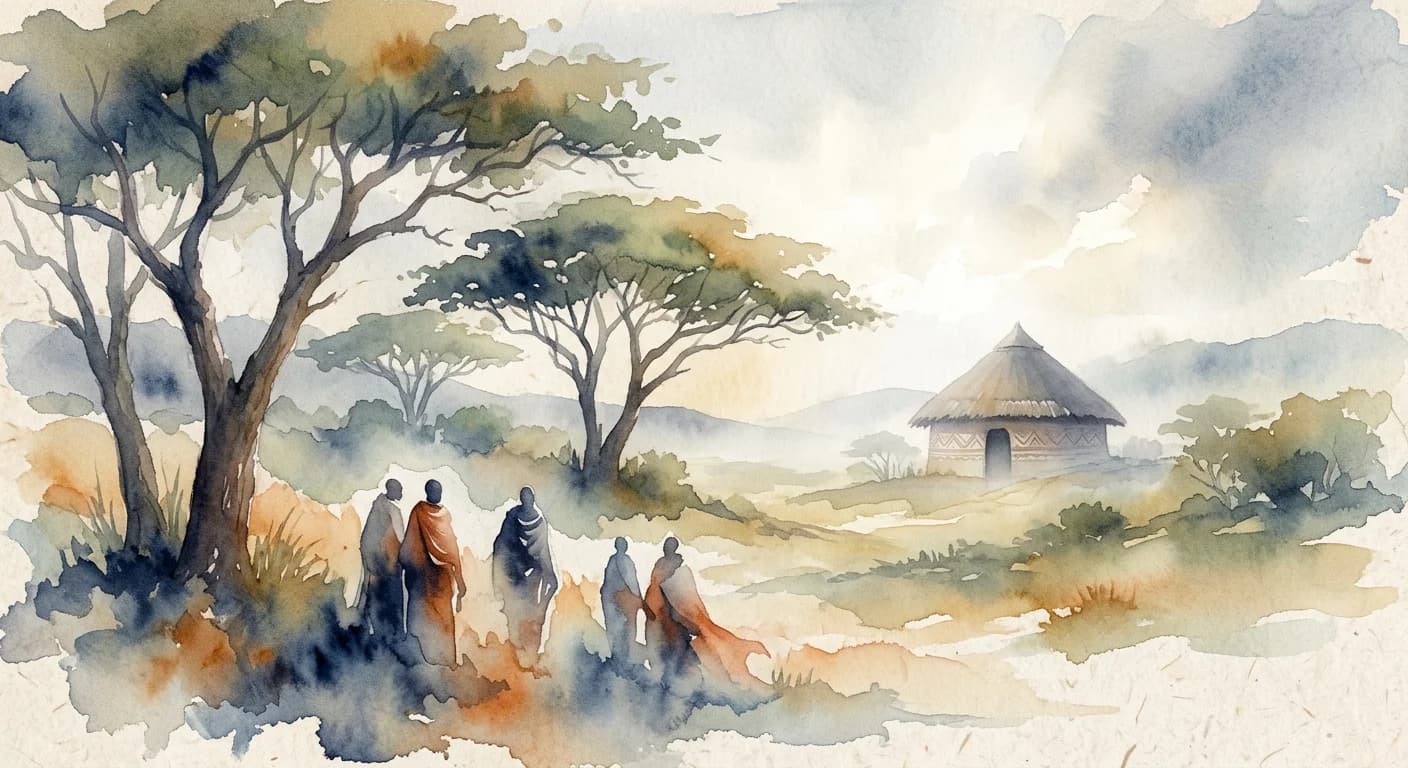
    Artistic representation of Amakhosi
    Zulu•
    🇿🇦South Africa

    Amakhosi

    /ah-mah-KOH-shee/

    Meaning

    Amakhosi is far more than a simple plural for 'king' or 'chief' in Zulu; it encapsulates a profound reverence for leadership, tradition, and the ancestral wisdom that guides a community. It signifies not just political authority, but also spiritual guardianship and social cohesion, reflecting a deep respect for those who uphold the cultural fabric. To invoke 'Amakhosi' is to acknowledge a sacred lineage of power and responsibility, linking the present to a storied past and ensuring future well-being.

    Literal Translation

    Kings / Chiefs

    The Story Behind the Word

    The existence of 'Amakhosi' is deeply rooted in the Zulu people's historical structure, where strong, hereditary leadership was paramount for survival, unity, and cultural preservation. It reveals a worldview where individual identity is inextricably linked to community and ancestry, and where authority is seen as both a privilege and a heavy burden. The 'Amakhosi' are the custodians of custom, law, and the spiritual well-being of the land and its people. Their role extends to mediating disputes, performing rituals to honor ancestors, and guiding their community through challenges. This word highlights a society that values collective harmony, intergenerational respect, and a profound connection to the spiritual realm, where leaders are seen as conduits of ancestral power.

    Experience It

    Honoring the Elders

    During a community gathering, a young man, addressing the council of elders, began his speech with a respectful bow and the phrase, 'Sanibonani Amakhosi!' He understood that by acknowledging them with this term, he was not just greeting individuals, but recognizing their collective wisdom, their inherited authority, and their vital role as guardians of tradition.

    Football Chant

    As the Kaizer Chiefs football team scored a winning goal, the stadium erupted in passionate chants of 'Amakhosi! Amakhosi!' For the fans, this wasn't just a team name; it was an affirmation of their pride, their collective identity, and the powerful, almost regal, spirit they associate with their beloved club, echoing the strength and leadership of traditional Zulu chiefs.

    The Deeper Meaning

    The concept of 'Amakhosi' reveals a philosophy of leadership that is holistic and deeply integrated with the spiritual and social fabric. It underscores that true authority stems not merely from power, but from a profound connection to lineage, ancestral wisdom, and a commitment to the collective well-being. It reflects a worldview where the past continually informs the present, and leadership is a sacred trust passed down through generations.

    Did You Know?

    The highly successful South African football club, Kaizer Chiefs, is affectionately known as 'Amakhosi' by its fans, directly drawing on the term's powerful connotations of leadership, strength, and royalty.

    How It's Used

    Used to refer to kings, chiefs, or respected elders within Zulu communities, and also famously as the name of a prominent South African football club, drawing on the deep cultural resonance of the term.

    Emotions
    belonging,gratitude
    Contexts
    celebration,family,greeting
    🇿🇦South Africa

    by Annelise Dubois·Written Mar 14, 2026·Updated Apr 3, 2026

    Related Words

    Explore more
    SobremesaSpanish

    Sobremesa is the cherished, often extended period immediately following a meal, particularly lunch or dinner, where diners remain seated at the table to enjoy conversation, coffee, and digest not just the food, but the company itself. It’s a dedicated time for unhurried social bonding, storytelling, and shared laughter, transforming a simple meal into a profound communal experience. Far from just clearing the dishes, sobremesa is an integral part of Spanish social life, often lasting for hours.

    Pura vidaSpanish

    More than just 'pure life,' "Pura vida" encapsulates a profound philosophy of embracing the present moment with unwavering optimism and gratitude. It's a daily commitment to finding joy in simple pleasures, accepting life's challenges with a positive spirit, and prioritizing well-being over material possessions. This ubiquitous phrase reflects a national identity built on resilience, community, and an deep appreciation for nature's bounty.

    UbuntuZulu/Xhosa

    Ubuntu is a profound African philosophy that translates to 'I am because we are,' signifying that an individual's humanity is inextricably linked to the humanity of others. It embodies the belief that our existence and well-being are deeply intertwined with the community. This concept emphasizes compassion, reciprocity, dignity, and the understanding that true fulfillment is found not in isolation, but through collective flourishing and mutual support. It's a call to recognize and affirm the humanity in everyone, fostering a sense of interconnectedness.

    SamfundssindDanish

    Samfundssind is the profound, almost spiritual, commitment to the collective good that transcends individual desires. It's a deeply ingrained societal ethos where citizens instinctively understand their role in maintaining the health and harmony of the community, especially during challenges. This isn't just about following rules; it's an active, empathic engagement with society's needs, fostering a powerful sense of shared destiny and mutual care that underpins Danish social cohesion.