U.
HomeRegionsLanguagesEmotionsCollections
Find Your Word

“The limits of my language mean the limits of my world.”

— Ludwig Wittgenstein, Philosopher

Untranslatable

A curated collection of the world's most beautiful expressions—words that remind us language is humanity's greatest invention.

  • Home
  • Collections
  • Regions
  • Countries
  • Emotions
  • Tags
  • Contexts
  • Finder
  • Europe
  • Asia
  • Americas
  • Africa
  • Middle East
  • About
  • Contact
  • Privacy Policy
  • Terms of Service

2026 © Untranslatable. All rights reserved.

    /
    /
    1. Home
    2. /
    3. Europe
    4. /
    5. Antejuicio
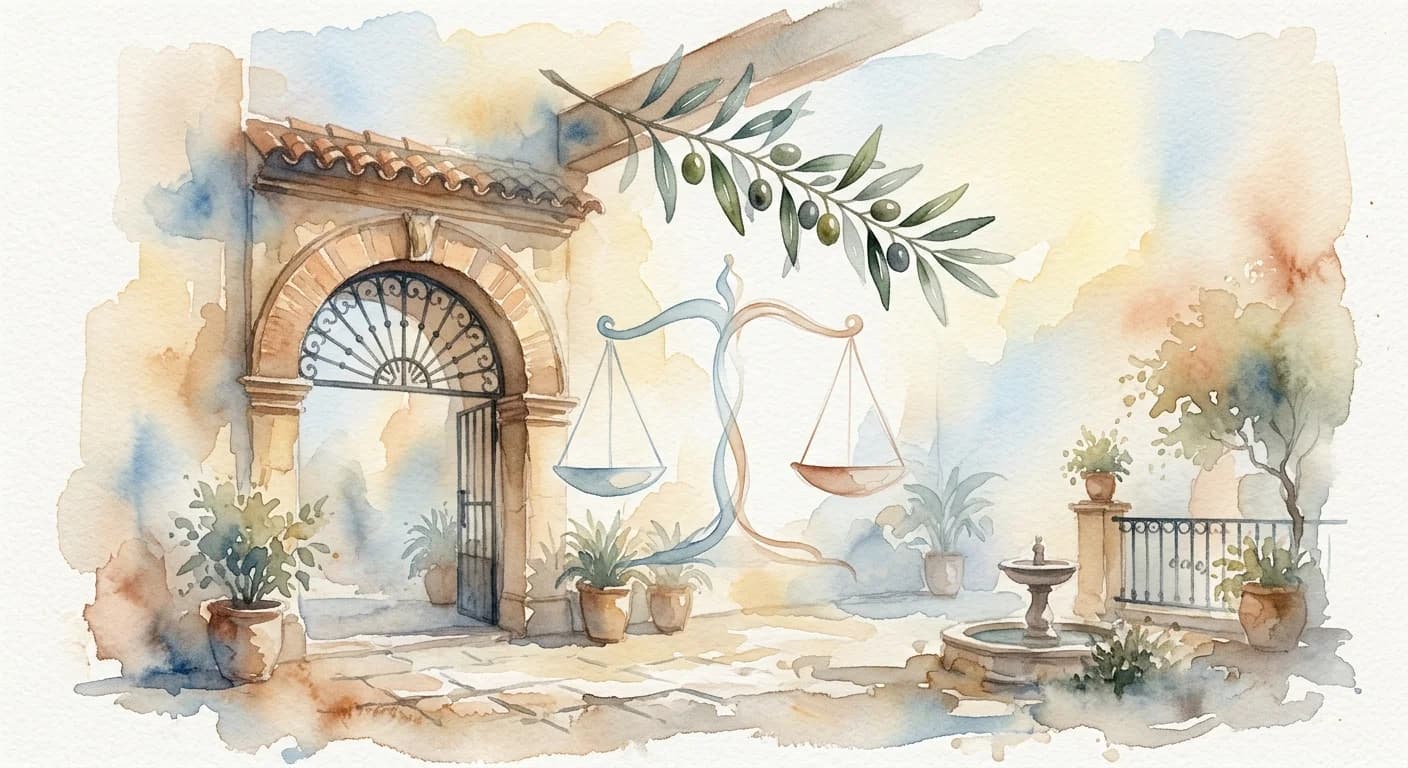
    Artistic representation of Antejuicio
    Spanish•
    🇦🇷Argentina🇧🇴Bolivia🇨🇱Chile🇨🇴Colombia🇨🇷Costa Rica🇨🇺Cuba🇩🇴Dominican Republic🇪🇨Ecuador🇸🇻El Salvador🇬🇹Guatemala🇭🇳Honduras🇲🇽Mexico🇳🇮Nicaragua🇵🇦Panama🇵🇾Paraguay🇵🇪Peru🇵🇷Puerto Rico🇪🇸Spain🇺🇾Uruguay🇻🇪Venezuela

    Antejuicio

    /ahn-teh-HWEES-ee-oh/

    Meaning

    Antejuicio, quite literally a "before-judgment," signifies a critical preliminary legal stage where a judge meticulously evaluates the foundational merits of a case before it ever reaches a full trial. This initial scrutiny acts as a vital gatekeeper, ensuring that only disputes with substantial legal grounds proceed, thereby preventing the judicial system from being burdened by frivolous claims. It represents a considered pause, a moment for judicial discernment to protect both court resources and the parties involved from unnecessary litigation.

    Literal Translation

    Before-judgment

    The Story Behind the Word

    The concept of antejuicio is deeply embedded in the civil law tradition, particularly prevalent in countries whose legal systems were shaped by Roman law and later codified in the Napoleonic Code, which profoundly influenced Spain and its former colonies. This emphasis on a pre-trial judicial filter reflects a cultural value placed on order, efficiency, and the methodical application of law, aiming to resolve conflicts systematically rather than through adversarial improvisation. It underscores a belief in the judge as an active investigator and guardian of legal principles from the outset, rather than merely an impartial referee during trial. The existence of antejuicio reveals a societal preference for preventing unnecessary legal battles and upholding the dignity and seriousness of the court proceedings, fostering a perception of justice as a carefully deliberated process.

    Experience It

    Filtering a Frivolous Claim

    A disgruntled neighbor filed a lawsuit against an elderly woman for 'excessive bird feeding' causing 'emotional distress.' The judge, during the antejuicio, quickly determined the claim lacked legal standing and dismissed the case, saving both parties from a lengthy and baseless trial.

    Assessing Evidence Sufficiency

    In a complex corporate fraud case, the prosecution presented a mountain of documents. The judge, in the antejuicio phase, meticulously reviewed the evidence to ascertain if there was enough prima facie indication of criminal activity to warrant a full criminal trial, ensuring resources weren't wasted on an unprovable accusation.

    The Deeper Meaning

    Antejuicio embodies a jurisprudential philosophy that prioritizes judicious gatekeeping and procedural rigor over immediate adversarial confrontation. It reflects a belief that justice is best served not by allowing all disputes to proceed to full trial, but by carefully vetting claims to ensure they possess substantive legal foundation. This approach highlights a commitment to efficiency and the preservation of judicial integrity, preventing the legal system from being bogged down by unfounded or poorly substantiated grievances.

    Did You Know?

    While common in civil law, the concept of antejuicio also has a parallel in some jurisdictions for high-ranking officials, where it determines if they can even be prosecuted.

    How It's Used

    Used in legal contexts to describe the initial review of a case by a judge before a full trial.

    Contexts
    daily life,work
    🇦🇷Argentina🇧🇴Bolivia🇨🇱Chile🇨🇴Colombia🇨🇷Costa Rica🇨🇺Cuba🇩🇴Dominican Republic🇪🇨Ecuador🇸🇻El Salvador🇬🇹Guatemala🇭🇳Honduras🇲🇽Mexico🇳🇮Nicaragua🇵🇦Panama🇵🇾Paraguay🇵🇪Peru🇵🇷Puerto Rico🇪🇸Spain🇺🇾Uruguay🇻🇪Venezuela

    by Anya Petrova·Written Mar 14, 2026·Updated Apr 3, 2026

    Related Words

    Explore more
    HyggeDanish

    Hygge is more than mere coziness; it's a holistic embrace of comfort, warmth, and belonging that nourishes the soul. It describes the intentional creation of an intimate atmosphere where simple pleasures, genuine connection, and mindful presence converge, fostering a profound sense of contentment and well-being. It's about finding joy and peace in the small, everyday moments, often shared with loved ones.

    SaudadePortuguese

    Saudade encapsulates a profound, melancholic longing for something or someone cherished that is absent, often with the bittersweet knowledge that it may never return. It's a deep emotional state tinged with nostalgia, evoking a sense of loss for past experiences, places, or people, yet also holding a tender appreciation for the beauty of what once was. This yearning is not merely sadness, but a complex tapestry of desire, memory, and a poignant acceptance of absence, holding the beloved in a warm, persistent embrace within the heart.

    GezelligDutch

    Gezellig encapsulates a profound sense of warmth, belonging, and convivial comfort, extending beyond mere coziness to embrace the social and emotional atmosphere. It's the feeling of being truly at ease, surrounded by good company, laughter, and a shared sense of contentment. This untranslatable term describes not just a physical space, but a holistic experience where time seems to slow down, fostering genuine connection and a deep sense of well-being.

    Dolce far nienteItalian

    Dolce far niente captures the profound joy and effortless pleasure derived from simply existing without obligation or purpose. It's the art of savoring moments of pure, unadulterated idleness – lying in the sun, watching the clouds drift, or enjoying a leisurely coffee – not as a break from work, but as a valuable state in itself. This 'sweetness of doing nothing' is a conscious embrace of stillness and contentment, allowing the soul to breathe and the senses to fully engage with the present.