U.
HomeRegionsLanguagesEmotionsCollections
Find Your Word

“The limits of my language mean the limits of my world.”

— Ludwig Wittgenstein, Philosopher

Untranslatable

A curated collection of the world's most beautiful expressions—words that remind us language is humanity's greatest invention.

  • Home
  • Collections
  • Regions
  • Countries
  • Emotions
  • Tags
  • Contexts
  • Finder
  • Europe
  • Asia
  • Americas
  • Africa
  • Middle East
  • About
  • Contact
  • Privacy Policy
  • Terms of Service

2026 © Untranslatable. All rights reserved.

    /
    /
    1. Home
    2. /
    3. Asia
    4. /
    5. Balangay
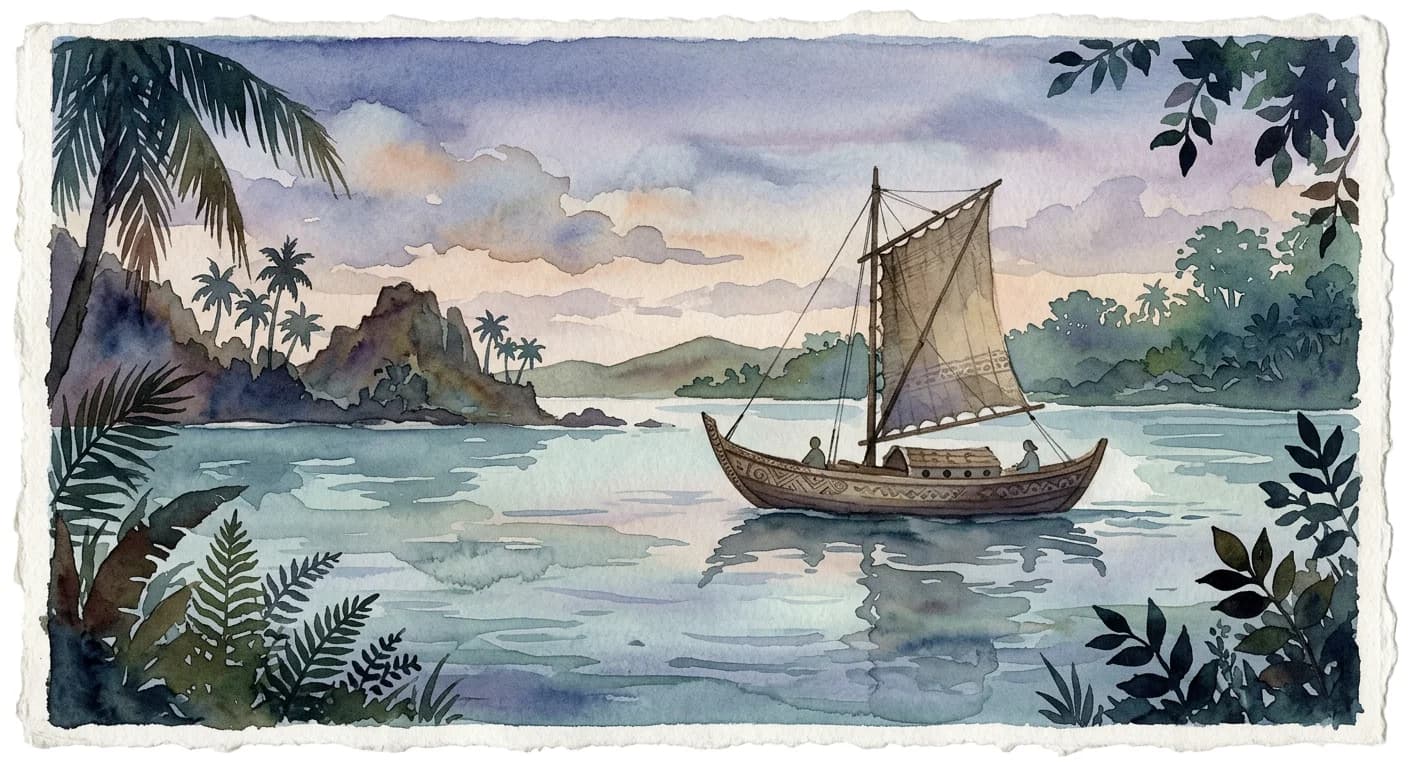
    Artistic representation of Balangay
    Filipino•
    🇵🇭Philippines

    Balangay

    /bah-lahng-guy/

    Meaning

    A 'balangay' transcends its literal translation of 'boat' to embody the ancient seafaring heritage of the Philippines. It refers specifically to the large, wooden outrigger boats used by pre-colonial Filipinos for trade, migration, and exploration across vast archipelagic waters. More than a mere vessel, it symbolizes the ingenuity, resilience, and communal spirit of early Filipinos, who mastered maritime navigation to connect and shape their island nation. The balangay is a powerful icon of ancestral connection and the enduring spirit of discovery.

    Literal Translation

    boat

    The Story Behind the Word

    The balangay is foundational to Filipino identity, reflecting a civilization born from and sustained by the sea. Its existence reveals a worldview where the ocean was not a barrier but a highway, facilitating vibrant trade networks and the spread of culture throughout Southeast Asia. The word itself, 'barangay,' evolved to denote a community or village, highlighting how these boats were not just transportation but mobile settlements, carrying entire families and their livelihoods. This connection between boat and community underscores a deeply communal and migratory past, where collective effort and adaptation to the natural world were paramount. The balangay embodies the spirit of bayanihan (communal unity) and the innate wanderlust that defines the Filipino diaspora.

    Experience It

    Tracing Ancestral Roots

    During a family reunion, Lola Elena shared tales of their ancestors arriving on their island aboard a balangay, carrying their traditions and hopes. The younger generation listened intently, imagining the courage it took to cross open seas in such a vessel, feeling a strong connection to their seafaring heritage.

    Modern Balangay Voyage

    The news reported the successful completion of the 'Balangay Voyage' expedition, where a replica vessel sailed across Southeast Asia. Filipinos worldwide felt a surge of pride, seeing the balangay not just as a historical artifact, but as a living testament to Filipino maritime prowess and resilience.

    The Deeper Meaning

    The balangay encapsulates a philosophy of communal mobility and interconnectedness. It suggests that identity and community are not static, but fluid and capable of traversing vast distances, always carrying culture and heritage along. It speaks to a worldview where survival and prosperity are achieved through collective effort and an intimate understanding of the natural environment, particularly the sea.

    Did You Know?

    The modern political unit 'barangay,' the smallest administrative division in the Philippines, is derived directly from 'balangay,' signifying that early communities were often formed by people who arrived together on a single boat.

    How It's Used

    The term 'balangay' is used to refer to the traditional outrigger canoe and is also the name of a historical reenactment project that sailed a replica across Southeast Asia.

    Emotions
    belonging,nostalgia,pride
    Contexts
    cultural identity,history,travel
    🇵🇭Philippines

    by Annelise Dubois·Written Mar 14, 2026·Updated Apr 3, 2026

    Related Words

    Explore more
    SobremesaSpanish

    Sobremesa is the cherished, often extended period immediately following a meal, particularly lunch or dinner, where diners remain seated at the table to enjoy conversation, coffee, and digest not just the food, but the company itself. It’s a dedicated time for unhurried social bonding, storytelling, and shared laughter, transforming a simple meal into a profound communal experience. Far from just clearing the dishes, sobremesa is an integral part of Spanish social life, often lasting for hours.

    Wabi-sabiJapanese

    Wabi-sabi is the profound appreciation for the ephemeral, the imperfect, and the incomplete aspects of existence. It is about discovering beauty in the subtle textures of age, the unique character of flaws, and the gentle decay that marks the passage of time. This philosophy encourages a quiet acceptance of impermanence and a mindful connection to the natural world, finding elegance in simplicity and authenticity.

    IkigaiJapanese

    Ikigai is more than just a reason to get out of bed; it's a deeply personal and evolving sense of purpose that brings genuine fulfillment and joy to one's life. It represents the sweet spot where your passions, talents, needs of the world, and what you can be paid for beautifully converge. Discovering your ikigai often leads to a life lived with intentionality, resilience, and a profound connection to one's contributions. It's the intrinsic motivation that fuels a meaningful existence, regardless of external circumstances.

    NunchiKorean

    Nunchi is the sophisticated, almost telepathic, ability to instantly grasp the unspoken dynamics of any social situation, anticipating others' thoughts and feelings, and then responding with impeccable grace and timing. It's an acute form of social intuition, allowing one to navigate complex interpersonal landscapes by reading subtle cues like body language, tone, and context. Possessing good nunchi means effortlessly understanding the underlying emotional currents and adjusting one's behavior to maintain harmony and effectiveness, often without a single word exchanged.