U.
HomeRegionsLanguagesEmotionsCollections
Find Your Word

“The limits of my language mean the limits of my world.”

— Ludwig Wittgenstein, Philosopher

Untranslatable

A curated collection of the world's most beautiful expressions—words that remind us language is humanity's greatest invention.

  • Home
  • Collections
  • Regions
  • Countries
  • Emotions
  • Tags
  • Contexts
  • Finder
  • Europe
  • Asia
  • Americas
  • Africa
  • Middle East
  • About
  • Contact
  • Privacy Policy
  • Terms of Service

2026 © Untranslatable. All rights reserved.

    /
    /
    1. Home
    2. /
    3. Europe
    4. /
    5. Baldío
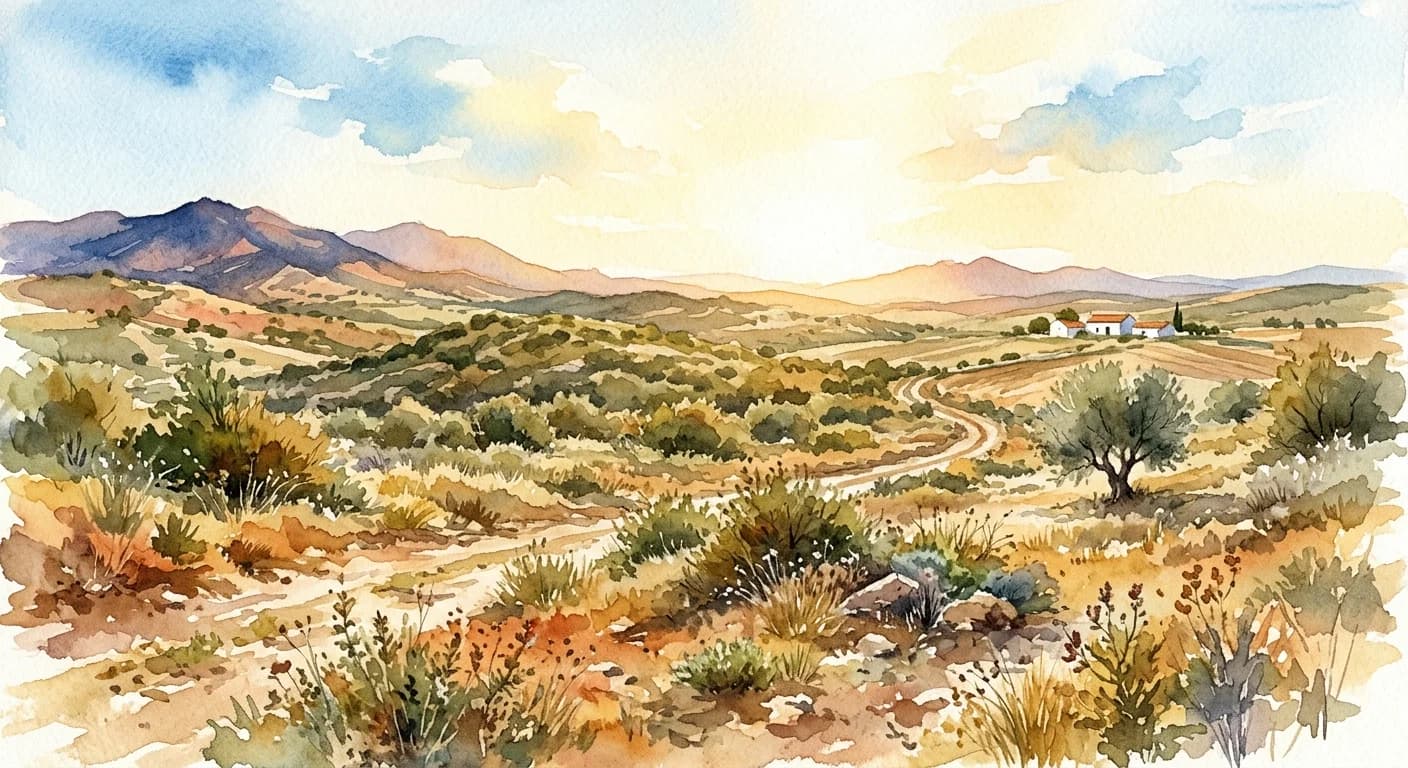
    Artistic representation of Baldío
    Spanish•
    🇦🇷Argentina🇨🇱Chile🇨🇴Colombia🇲🇽Mexico🇵🇪Peru🇪🇸Spain

    Baldío

    /BAHL-dee-oh/

    Meaning

    Baldío describes land that lies fallow or uncultivated, often carrying a poignant sense of neglected potential. It's more than just an empty space; it evokes an area that could be productive, vibrant, or developed but currently remains dormant, inviting reflection on what might have been or what could still be. Whether a rural field left to weeds or an urban lot awaiting construction, it represents a wilder, untamed pocket that exists in a state of quiet anticipation or overlooked beauty.

    Literal Translation

    Fallow, uncultivated

    The Story Behind the Word

    The concept of "baldío" is deeply rooted in Spain's agricultural history and its complex relationship with land ownership and usage. For centuries, land was the primary source of wealth and sustenance, and the idea of fertile ground lying unused was often seen as a waste or a sign of hardship. Historically, common lands (terrenos baldíos) were crucial for local communities for grazing or foraging, and their neglect or privatization had significant social impacts. In modern Spain, particularly in urban areas, "baldío" often refers to vacant lots in cities, reflecting boom-and-bust cycles in construction and development. This word encapsulates a collective memory of land as both a resource and a sacred trust, highlighting a cultural sensitivity to the land's potential and the implications of its neglect or stewardship.

    Experience It

    Urban Baldío's Potential

    María peered over the fence at the large baldío in the middle of her neighborhood. Weeds grew tall, and stray cats roamed freely. She imagined it as a community garden, a vibrant green space transforming the neglected corner into something beautiful and useful for everyone.

    Rural Fallow Field

    The old farmer sighed, looking out at the baldío behind his house. For generations, that field had yielded crops, but now, with no one to work it, it had returned to a wild state. It was a stark reminder of changing times and the decline of traditional agriculture.

    The Deeper Meaning

    Baldío reflects a profound cultural understanding of potentiality and the transient nature of human endeavor. It suggests that even in apparent emptiness, there is inherent value and a latent future, whether for nature to reclaim its space or for human hands to reshape it. It highlights a cyclical view of land use, where periods of activity are interspersed with moments of rest or neglect, each holding its own form of meaning.

    Did You Know?

    In some historical Spanish legal codes, "baldíos" referred to common lands that belonged to no specific individual but to the municipality or crown, underscoring their communal significance.

    How It's Used

    Used to describe land that is uncultivated, fallow, or unused, whether it's a rural field or an urban vacant lot. It can also refer to a state of idleness or lack of development.

    Emotions
    hope,longing,melancholy
    Contexts
    nature,relaxation,work
    🇦🇷Argentina🇨🇱Chile🇨🇴Colombia🇲🇽Mexico🇵🇪Peru🇪🇸Spain

    by Anya Petrova·Written Mar 14, 2026·Updated Apr 3, 2026

    Related Words

    Explore more
    HyggeDanish

    Hygge is more than mere coziness; it's a holistic embrace of comfort, warmth, and belonging that nourishes the soul. It describes the intentional creation of an intimate atmosphere where simple pleasures, genuine connection, and mindful presence converge, fostering a profound sense of contentment and well-being. It's about finding joy and peace in the small, everyday moments, often shared with loved ones.

    SaudadePortuguese

    Saudade encapsulates a profound, melancholic longing for something or someone cherished that is absent, often with the bittersweet knowledge that it may never return. It's a deep emotional state tinged with nostalgia, evoking a sense of loss for past experiences, places, or people, yet also holding a tender appreciation for the beauty of what once was. This yearning is not merely sadness, but a complex tapestry of desire, memory, and a poignant acceptance of absence, holding the beloved in a warm, persistent embrace within the heart.

    GezelligDutch

    Gezellig encapsulates a profound sense of warmth, belonging, and convivial comfort, extending beyond mere coziness to embrace the social and emotional atmosphere. It's the feeling of being truly at ease, surrounded by good company, laughter, and a shared sense of contentment. This untranslatable term describes not just a physical space, but a holistic experience where time seems to slow down, fostering genuine connection and a deep sense of well-being.

    Dolce far nienteItalian

    Dolce far niente captures the profound joy and effortless pleasure derived from simply existing without obligation or purpose. It's the art of savoring moments of pure, unadulterated idleness – lying in the sun, watching the clouds drift, or enjoying a leisurely coffee – not as a break from work, but as a valuable state in itself. This 'sweetness of doing nothing' is a conscious embrace of stillness and contentment, allowing the soul to breathe and the senses to fully engage with the present.