Barong Tagalog
/bah-rong tah-gah-log/
Meaning
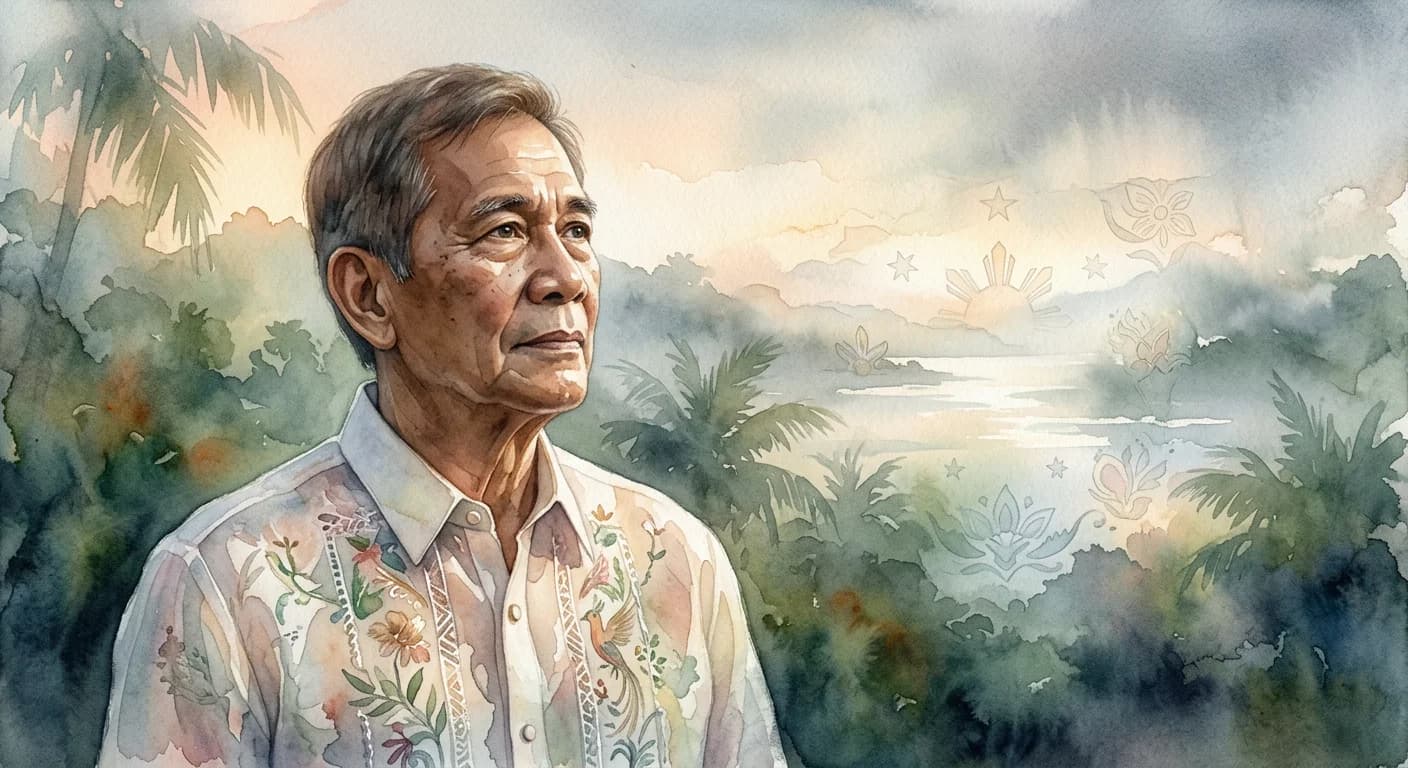
The Barong Tagalog is far more than a mere garment; it embodies the very soul of Filipino identity and pride. Its gossamer-like fabric, often meticulously handwoven from indigenous pineapple (piña) or abaca fibers, drapes elegantly, symbolizing a sophisticated blend of indigenous craftsmanship and centuries of historical influence. Primarily worn by men, it exudes an aura of respect, dignity, and national spirit, particularly during momentous occasions, silently narrating the rich cultural tapestry of the Tagalog people and the broader Philippine nation.
Literal Translation
Tagalog Long Shirt
The Story Behind the Word
The Barong Tagalog's existence is deeply rooted in the Philippines' colonial past and its subsequent quest for national identity. During Spanish rule, Filipinos were often forbidden from wearing clothes that mirrored their colonizers' fashion, leading to the development of the Barong: a translucent, untucked shirt that differentiated them. This historical context transformed a practical garment into a symbol of quiet defiance and cultural resilience. Post-independence, it was championed by figures like President Ramon Magsaysay as the official national attire, cementing its role as a unifying emblem. It reveals a culture that values elegance, respect for tradition, and a subtle yet enduring pride in its unique heritage, even when forged under oppressive circumstances. The transparency of the fabric, often interpreted as a way for the colonial masters to ensure no weapons were hidden, has been reclaimed as a symbol of openness and honesty in modern Filipino character.
Experience It
Wedding Day Elegance
At his sister's wedding, Marco adjusted his intricately embroidered Barong Tagalog, feeling the cool piña fabric against his skin. As he walked down the aisle, his attire, a blend of tradition and modern tailoring, symbolized not just his personal pride but also the enduring cultural heritage celebrated on such a joyous, significant day.
National Day Parade
During the Independence Day parade, the President, standing on the podium, wore a crisp, impeccably tailored Barong Tagalog. Its presence on such a national stage underscored its role as a powerful visual representation of Filipino sovereignty, dignity, and the collective spirit of a nation honoring its past and looking to its future.
The Deeper Meaning
The Barong Tagalog embodies the Filipino concept of 'hiya' (shame/propriety) and 'dignidad' (dignity). Its formal nature and elegant presentation reflect a cultural emphasis on respect, proper conduct, and presenting oneself honorably, especially in communal and significant settings. It speaks to a collective consciousness that values tradition and cultural expression as integral to personal and national identity.
Did You Know?
Historically, the Barong Tagalog's untucked style and translucent fabric were partly enforced by Spanish colonizers to distinguish Filipinos and ensure they weren't concealing weapons.
How It's Used
Worn by men, particularly during formal occasions, national holidays, weddings, and other significant cultural events in the Philippines. It is considered a national attire.