U.
HomeRegionsLanguagesEmotionsCollections
Find Your Word

“The limits of my language mean the limits of my world.”

— Ludwig Wittgenstein, Philosopher

Untranslatable

A curated collection of the world's most beautiful expressions—words that remind us language is humanity's greatest invention.

  • Home
  • Collections
  • Regions
  • Countries
  • Emotions
  • Tags
  • Contexts
  • Finder
  • Europe
  • Asia
  • Americas
  • Africa
  • Middle East
  • About
  • Contact
  • Privacy Policy
  • Terms of Service

2026 © Untranslatable. All rights reserved.

    /
    /
    1. Home
    2. /
    3. Asia
    4. /
    5. Biyahe
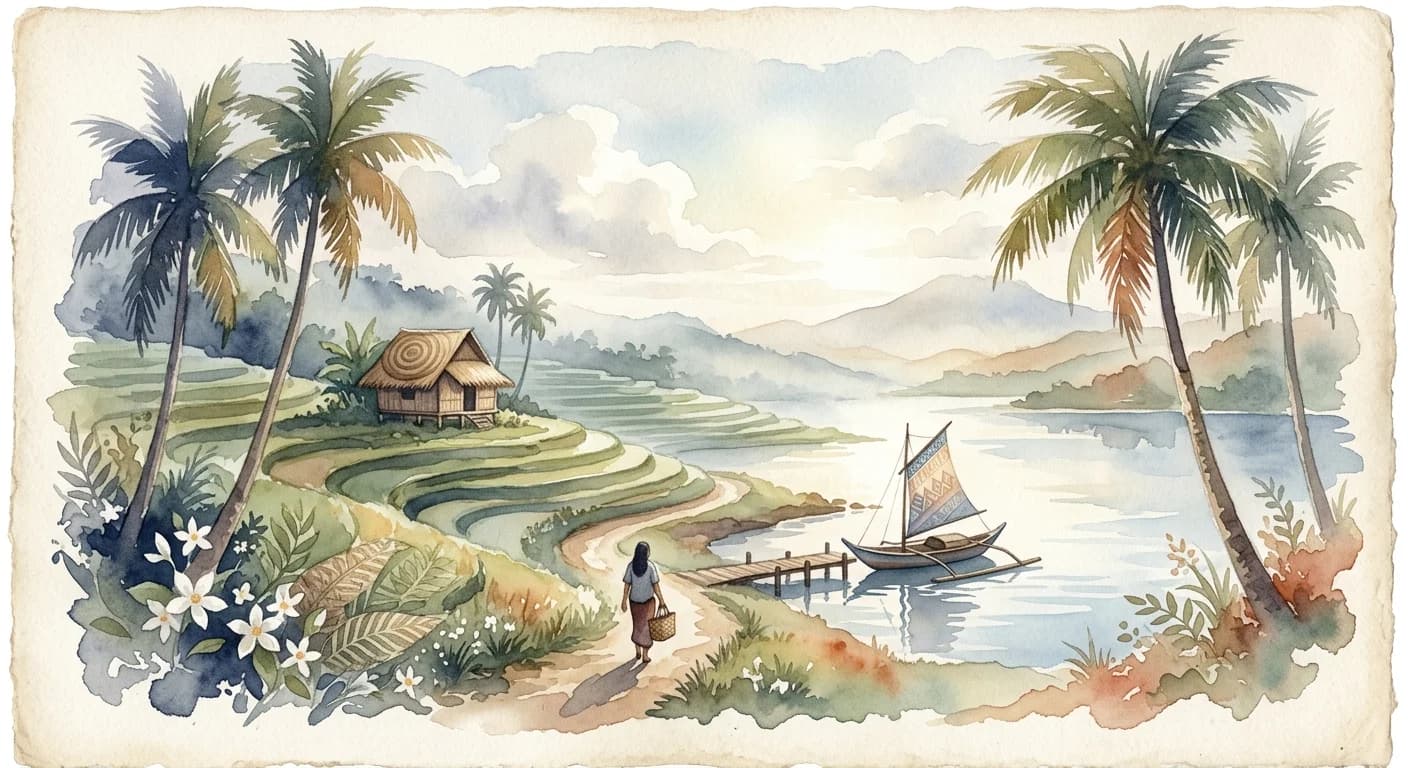
    Artistic representation of Biyahe
    Filipino•
    🇵🇭Philippines

    Biyahe

    /bee-YAH-heh/

    Meaning

    Biyahe transcends mere physical movement; it embodies the entire saga of a journey, from the eager anticipation of departure to the lingering echoes of memories created. It's the thrill of setting forth, the unfolding tapestry of new landscapes and encounters, and the quiet reflection upon return. Whether a daily commute or a grand expedition, biyahe captures the spirit of adventure, discovery, and the profound personal transformation that often accompanies traversing space and experience.

    Literal Translation

    travel, journey, trip

    The Story Behind the Word

    The concept of 'biyahe' is deeply ingrained in Filipino culture, reflecting the archipelago's history of migration, seafaring, and a strong sense of family ties that often necessitate travel. Historically, Filipinos were skilled navigators, and 'biyahe' resonates with this ancestral spirit of exploration and resilience. Today, it encompasses both the practical necessity of travel in a geographically dispersed nation and the emotional weight of journeys, particularly those undertaken by Overseas Filipino Workers (OFWs) who embark on distant 'biyahes' for their families' welfare. The word reveals a culture that values both the destination and the transformative process of getting there, recognizing the inherent challenges and rewards of being 'on the move.' It speaks to a people who view life itself as a series of journeys, each contributing to their personal and collective narrative.

    Experience It

    Anticipating the Provincial Biyahe

    Lola Rosa meticulously packed her balikbayan box, her heart already traveling ahead to her hometown. The long bus biyahe to the province was tiring, but the thought of seeing her grandchildren's faces made every kilometer a joyous anticipation.

    Daily Commute Biyahe

    Anya sighed, bracing for her daily biyahe through Manila's traffic. While often frustrating, this routine journey was her bridge between home and work, a necessary part of her day, sometimes even offering moments of unexpected reflection or people-watching.

    The Deeper Meaning

    Biyahe underscores a Filipino philosophical perspective that embraces life as a continuous process of movement and change. It suggests that growth and understanding are often found not just in static destinations, but within the dynamic experience of transit. This worldview values adaptability, resilience in the face of the unknown, and the enrichment that comes from encountering new horizons, both literal and metaphorical.

    Did You Know?

    The word 'biyahe' likely originates from the Spanish 'viaje' (journey/trip), highlighting the historical linguistic influences on the Filipino language while maintaining its own distinct cultural resonance.

    How It's Used

    Used to refer to any kind of trip, journey, or travel, from short commutes to long-distance voyages.

    Emotions
    excitement,hope,wonder
    Contexts
    farewell,greeting,travel
    🇵🇭Philippines

    by Sofia Rossi·Written Mar 14, 2026·Updated Apr 3, 2026

    Related Words

    Explore more
    Wabi-sabiJapanese

    Wabi-sabi is the profound appreciation for the ephemeral, the imperfect, and the incomplete aspects of existence. It is about discovering beauty in the subtle textures of age, the unique character of flaws, and the gentle decay that marks the passage of time. This philosophy encourages a quiet acceptance of impermanence and a mindful connection to the natural world, finding elegance in simplicity and authenticity.

    IkigaiJapanese

    Ikigai is more than just a reason to get out of bed; it's a deeply personal and evolving sense of purpose that brings genuine fulfillment and joy to one's life. It represents the sweet spot where your passions, talents, needs of the world, and what you can be paid for beautifully converge. Discovering your ikigai often leads to a life lived with intentionality, resilience, and a profound connection to one's contributions. It's the intrinsic motivation that fuels a meaningful existence, regardless of external circumstances.

    NunchiKorean

    Nunchi is the sophisticated, almost telepathic, ability to instantly grasp the unspoken dynamics of any social situation, anticipating others' thoughts and feelings, and then responding with impeccable grace and timing. It's an acute form of social intuition, allowing one to navigate complex interpersonal landscapes by reading subtle cues like body language, tone, and context. Possessing good nunchi means effortlessly understanding the underlying emotional currents and adjusting one's behavior to maintain harmony and effectiveness, often without a single word exchanged.

    JugaadHindi

    Jugaad is more than just a quick fix; it embodies the spirit of resourceful, ingenious improvisation in the face of scarcity or systemic challenges. It's the art of bending rules, repurposing materials, and thinking outside the box to achieve a desired outcome, often with limited financial or technological resources. This approach celebrates clever workarounds and innovative adaptations, turning constraints into catalysts for creative problem-solving. It's about making do and making something work, brilliantly.