Bledard
/BLEH-dar/
Meaning
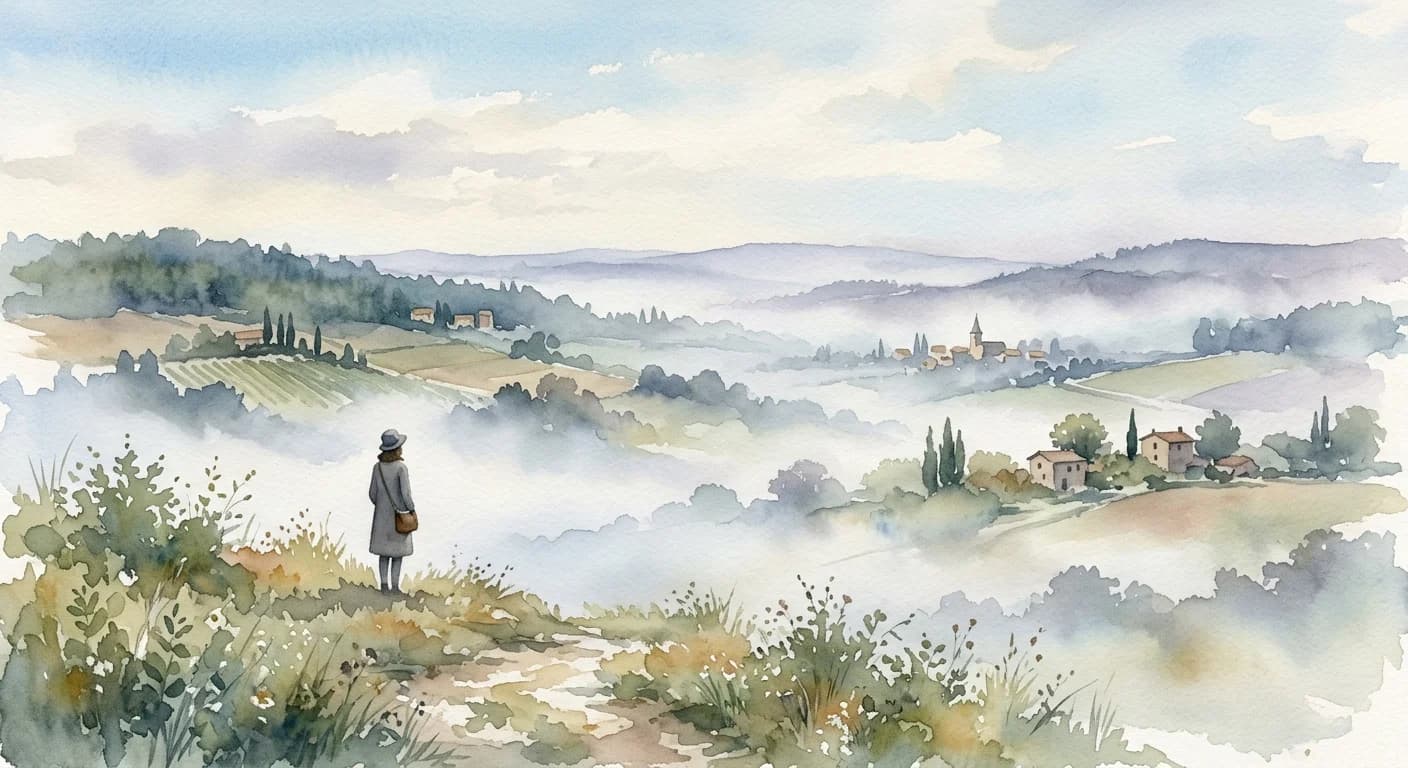
The term 'bledard' is a deeply pejorative French slang word, often hurled to denote someone perceived as utterly unsophisticated, provincial, or backward, typically stemming from a rural background or a less developed region. It conjures an image of someone lacking worldly polish, cultural finesse, and urban savvy, frequently used by city dwellers to mock those from the countryside. In a more charged context, especially within France's North African immigrant communities, it can carry significant racial and classist undertones, highlighting painful social divides and cultural clashes between different generations or origins.
Literal Translation
From the Arabic 'bled' (country, land, region) and French suffix '-ard' (denoting someone associated with something).
The Story Behind the Word
The existence of 'bledard' speaks volumes about France's historical urban-rural divide and, more recently, its complex relationship with immigration. Derived from the Arabic 'bled' (countryside/region) and the French pejorative suffix '-ard,' it encapsulates a disdain for perceived 'otherness.' For centuries, Parisian society often viewed provincial life as inherently less refined, a sentiment that evolved to include immigrants from North Africa who were seen as bringing their 'bled' (homeland/village) culture with them. This word reveals a societal tendency to categorize and belittle those who don't conform to a dominant cultural norm, exposing underlying tensions related to integration, social hierarchy, and the struggle for identity in a diverse nation. It underscores a colonial legacy where 'modernity' and 'civilization' were often equated with Western urban centers, contrasting sharply with perceived 'backwardness' of other regions.
Experience It
City Slicker's Scorn
At a chic Parisian café, a group of friends gossips about a new acquaintance. One friend, rolling her eyes, exclaims, 'Oh, she's such a bledard! She tried to pay for her espresso with a €500 note and asked if they had Wi-Fi in the metro.'
Generational Divide
A young French-Algerian man, fluent in street slang and dressed in trendy clothes, dismisses his conservative uncle's traditional views on marriage. 'Mon oncle, you're such a bledard sometimes,' he sighs, 'always stuck in the past, thinking like you're still in the village.'
The Deeper Meaning
The word 'bledard' fundamentally reflects a human tendency to create 'in-groups' and 'out-groups,' often based on perceived cultural sophistication, origin, or adherence to dominant norms. It highlights the psychological comfort derived from establishing superiority through the disparagement of others, revealing a deep-seated fear of the 'unfamiliar' and a societal struggle with genuine cultural pluralism. It is a linguistic marker of social stratification and the often-unconscious biases that shape our interactions.
Did You Know?
While often used pejoratively, some young people of North African descent have attempted to reclaim 'bledard' as a term of ironic endearment or solidarity, subverting its original negative intent.
How It's Used
Used in informal conversations, often with a derogatory intent, to describe someone perceived as unsophisticated or provincial.