Mal-être
/mal-AY-truh/
Meaning
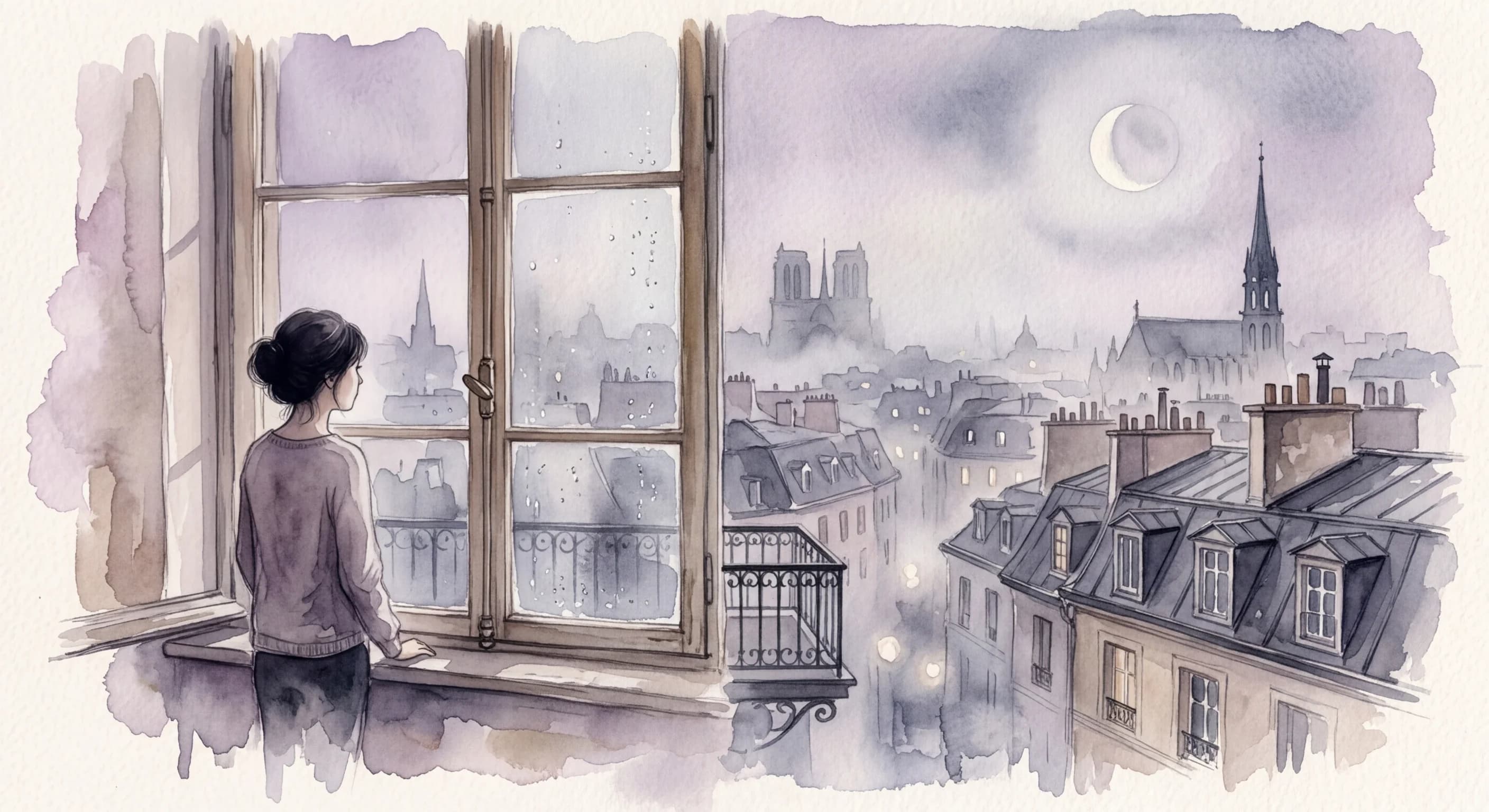
Mal-être describes a pervasive, often subtle, yet profound sense of unease or disquiet that permeates one's existence, a feeling of being fundamentally out of sync with oneself or the world. It's a low-grade, persistent psychological discomfort, a vague yet persistent unhappiness that isn't traceable to a specific event but rather colors the fabric of daily life. This state transcends simple sadness, delving into an existential dissatisfaction that can make even pleasant moments feel hollow or incomplete, a quiet yearning for something undefined.
Literal Translation
bad-being
The Story Behind the Word
The existence and common usage of "mal-être" in French culture speak to a deep-seated appreciation for introspection and the nuanced complexities of inner emotional states. French intellectual tradition, particularly existentialist philosophy, has long grappled with themes of alienation, the human condition, and the search for meaning, providing fertile ground for a concept like "mal-être." It reflects a cultural willingness to acknowledge and articulate diffuse, non-pathological forms of suffering or dissatisfaction, rather than immediately seeking a cure or a concrete cause. This term reveals a worldview that accepts the presence of a certain melancholic undercurrent in life, a recognition that well-being isn't merely the absence of overt problems but a deeper, sometimes elusive, sense of harmony.
Experience It
Post-Vacation Blues
After a wonderful two-week holiday in the south of France, Juliette returned to her seemingly perfect life. Yet, instead of feeling refreshed, a quiet mal-être settled over her. She couldn't pinpoint why, but everything felt a little duller, a little less vibrant than before, a vague sense of yearning for something she couldn't name.
Mid-Career Discontent
Pierre had achieved all his professional goals: a prestigious job, a comfortable salary, respect from his peers. Still, a persistent mal-être shadowed his days. He felt a disconnect between his outward success and an inner void, a feeling that this wasn't quite where he was meant to be, despite having no clear reason for dissatisfaction.
The Deeper Meaning
Mal-être embodies a distinctly existentialist perspective, highlighting the inherent human struggle with meaning, alienation, and the burden of freedom. It suggests that a state of complete, unblemished well-being might be an illusion, and that a degree of fundamental unease is an intrinsic part of the human condition, a subtle reminder of our finite existence and the search for purpose.
Did You Know?
The term "mal-être" gained significant traction in French psychology and philosophy circles in the latter half of the 20th century, becoming a key concept for discussing modern existential anxieties.
How It's Used
Used to describe a general feeling of malaise, unhappiness, or unease that doesn't have a specific, identifiable cause.