U.
HomeRegionsLanguagesEmotionsCollections
Find Your Word

“The limits of my language mean the limits of my world.”

— Ludwig Wittgenstein, Philosopher

Untranslatable

A curated collection of the world's most beautiful expressions—words that remind us language is humanity's greatest invention.

  • Home
  • Collections
  • Regions
  • Countries
  • Emotions
  • Tags
  • Contexts
  • Finder
  • Europe
  • Asia
  • Americas
  • Africa
  • Middle East
  • About
  • Contact
  • Privacy Policy
  • Terms of Service

2026 © Untranslatable. All rights reserved.

    /
    /
    1. Home
    2. /
    3. Europe
    4. /
    5. Campesina
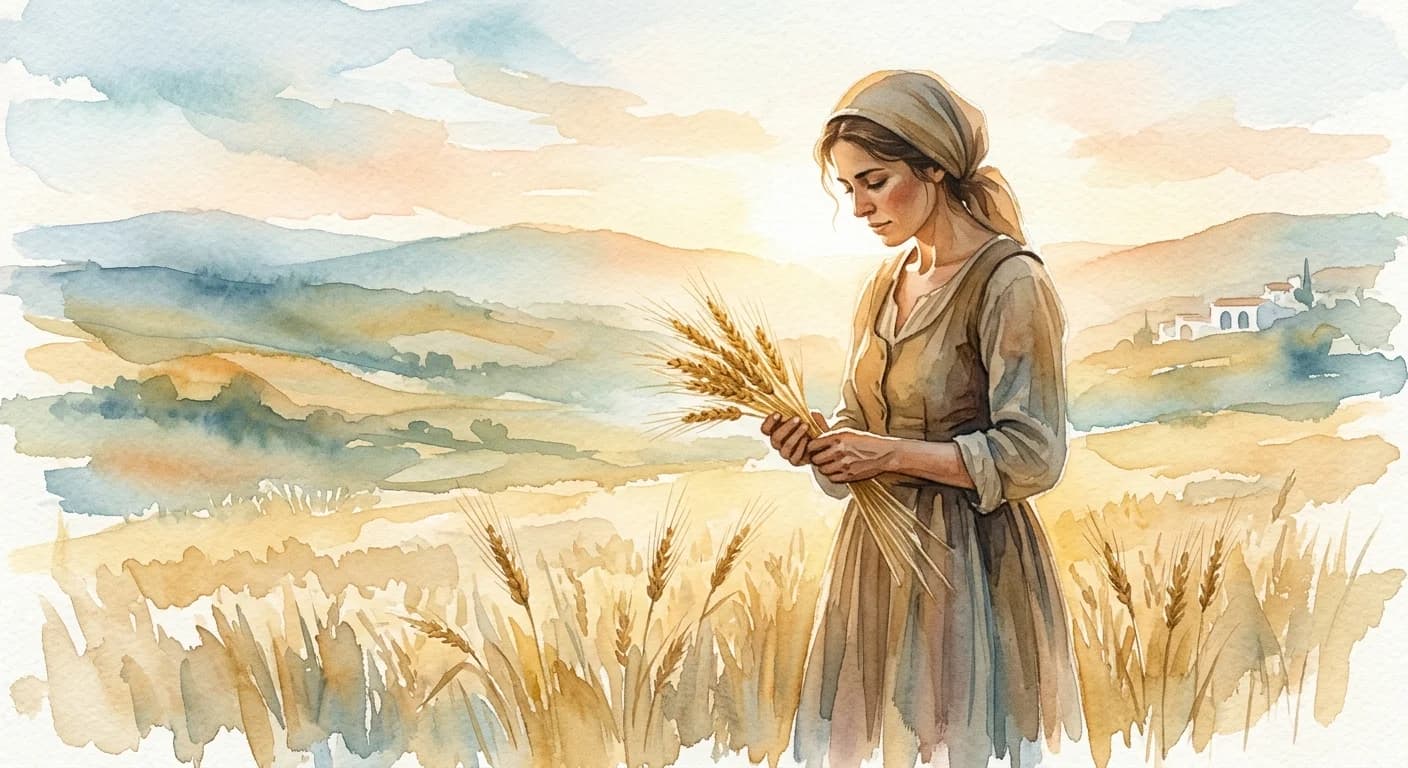
    Artistic representation of Campesina
    Spanish•
    🇦🇷Argentina🇧🇴Bolivia🇨🇱Chile🇨🇴Colombia🇨🇷Costa Rica🇨🇺Cuba🇩🇴Dominican Republic🇪🇨Ecuador🇸🇻El Salvador🇬🇹Guatemala🇭🇳Honduras🇲🇽Mexico🇳🇮Nicaragua🇵🇦Panama🇵🇾Paraguay🇵🇪Peru🇵🇷Puerto Rico🇪🇸Spain🇺🇾Uruguay🇻🇪Venezuela

    Campesina

    /kahm-peh-SEE-nah/

    Meaning

    "Campesina" refers to a woman of the land, a female peasant farmer whose life is intrinsically woven into the rhythms of the earth. More than just an occupation, it embodies a deep-seated identity rooted in rural community, ancestral knowledge, and a resilient spirit. She is often seen as a guardian of traditional agricultural practices, a symbol of self-sufficiency, and a vital link to the heritage of her village, embodying a way of life that prioritizes harmony with nature and communal bonds over individualistic pursuits.

    Literal Translation

    Female peasant/country dweller

    The Story Behind the Word

    The word "campesina" in Spain carries centuries of history, reflecting a society where agriculture was, and in many regions still is, the backbone of existence. It evokes a strong sense of place and lineage, as families often worked the same plots of land for generations. The campesina is not merely a laborer; she is often the keeper of traditional recipes, herbal remedies, and oral histories, embodying the collective memory and wisdom of her community. Her existence underscores a worldview that values sustainability, community interdependence, and a profound respect for nature's cycles. The term highlights the dignity of manual labor and the resilience required to thrive in often challenging rural environments, shaping a cultural identity deeply connected to the Spanish landscape.

    Experience It

    Harvesting Olives Together

    A group of older campesinas, their hands weathered by decades of work, gather under ancient olive trees. They chat animatedly in dialect as they meticulously hand-pick the fruit, sharing stories and laughter, a timeless ritual passed down through their families for generations, connecting them to the very soil beneath their feet.

    Village Market Day

    Doña Elena, a campesina from a small mountain village, proudly arranges her freshly picked vegetables and homemade goat cheese on her stall at the weekly market. Her produce, grown with care and traditional methods, is sought after by both locals and visitors, a testament to her dedication to the land and its bounty.

    The Deeper Meaning

    The "campesina" embodies a philosophy of life rooted in cyclical time and interconnectedness. Her existence challenges modern notions of progress, suggesting that true wealth lies in sustainable living, community solidarity, and a harmonic relationship with the natural world. It underscores the profound wisdom embedded in traditional knowledge and the enduring value of a life lived close to the earth.

    Did You Know?

    In many parts of Spain, the traditional attire of a campesina, often including a headscarf and practical, durable fabrics, has become a symbol of rural pride and cultural authenticity, inspiring folk art and regional festivals.

    How It's Used

    Used in Spanish-speaking countries to refer to a female farmer, particularly one who works the land with her hands and is part of a rural community.

    Emotions
    belonging,gratitude,resilience
    Contexts
    family,nature,work
    🇦🇷Argentina🇧🇴Bolivia🇨🇱Chile🇨🇴Colombia🇨🇷Costa Rica🇨🇺Cuba🇩🇴Dominican Republic🇪🇨Ecuador🇸🇻El Salvador🇬🇹Guatemala🇭🇳Honduras🇲🇽Mexico🇳🇮Nicaragua🇵🇦Panama🇵🇾Paraguay🇵🇪Peru🇵🇷Puerto Rico🇪🇸Spain🇺🇾Uruguay🇻🇪Venezuela

    by Annelise Dubois·Written Mar 14, 2026·Updated Apr 3, 2026

    Related Words

    Explore more
    HyggeDanish

    Hygge is more than mere coziness; it's a holistic embrace of comfort, warmth, and belonging that nourishes the soul. It describes the intentional creation of an intimate atmosphere where simple pleasures, genuine connection, and mindful presence converge, fostering a profound sense of contentment and well-being. It's about finding joy and peace in the small, everyday moments, often shared with loved ones.

    SaudadePortuguese

    Saudade encapsulates a profound, melancholic longing for something or someone cherished that is absent, often with the bittersweet knowledge that it may never return. It's a deep emotional state tinged with nostalgia, evoking a sense of loss for past experiences, places, or people, yet also holding a tender appreciation for the beauty of what once was. This yearning is not merely sadness, but a complex tapestry of desire, memory, and a poignant acceptance of absence, holding the beloved in a warm, persistent embrace within the heart.

    GezelligDutch

    Gezellig encapsulates a profound sense of warmth, belonging, and convivial comfort, extending beyond mere coziness to embrace the social and emotional atmosphere. It's the feeling of being truly at ease, surrounded by good company, laughter, and a shared sense of contentment. This untranslatable term describes not just a physical space, but a holistic experience where time seems to slow down, fostering genuine connection and a deep sense of well-being.

    Dolce far nienteItalian

    Dolce far niente captures the profound joy and effortless pleasure derived from simply existing without obligation or purpose. It's the art of savoring moments of pure, unadulterated idleness – lying in the sun, watching the clouds drift, or enjoying a leisurely coffee – not as a break from work, but as a valuable state in itself. This 'sweetness of doing nothing' is a conscious embrace of stillness and contentment, allowing the soul to breathe and the senses to fully engage with the present.