U.
HomeRegionsLanguagesEmotionsCollections
Find Your Word

“The limits of my language mean the limits of my world.”

— Ludwig Wittgenstein, Philosopher

Untranslatable

A curated collection of the world's most beautiful expressions—words that remind us language is humanity's greatest invention.

  • Home
  • Collections
  • Regions
  • Countries
  • Emotions
  • Tags
  • Contexts
  • Finder
  • Europe
  • Asia
  • Americas
  • Africa
  • Middle East
  • About
  • Contact
  • Privacy Policy
  • Terms of Service

2026 © Untranslatable. All rights reserved.

    /
    /
    1. Home
    2. /
    3. Europe
    4. /
    5. Cante jondo
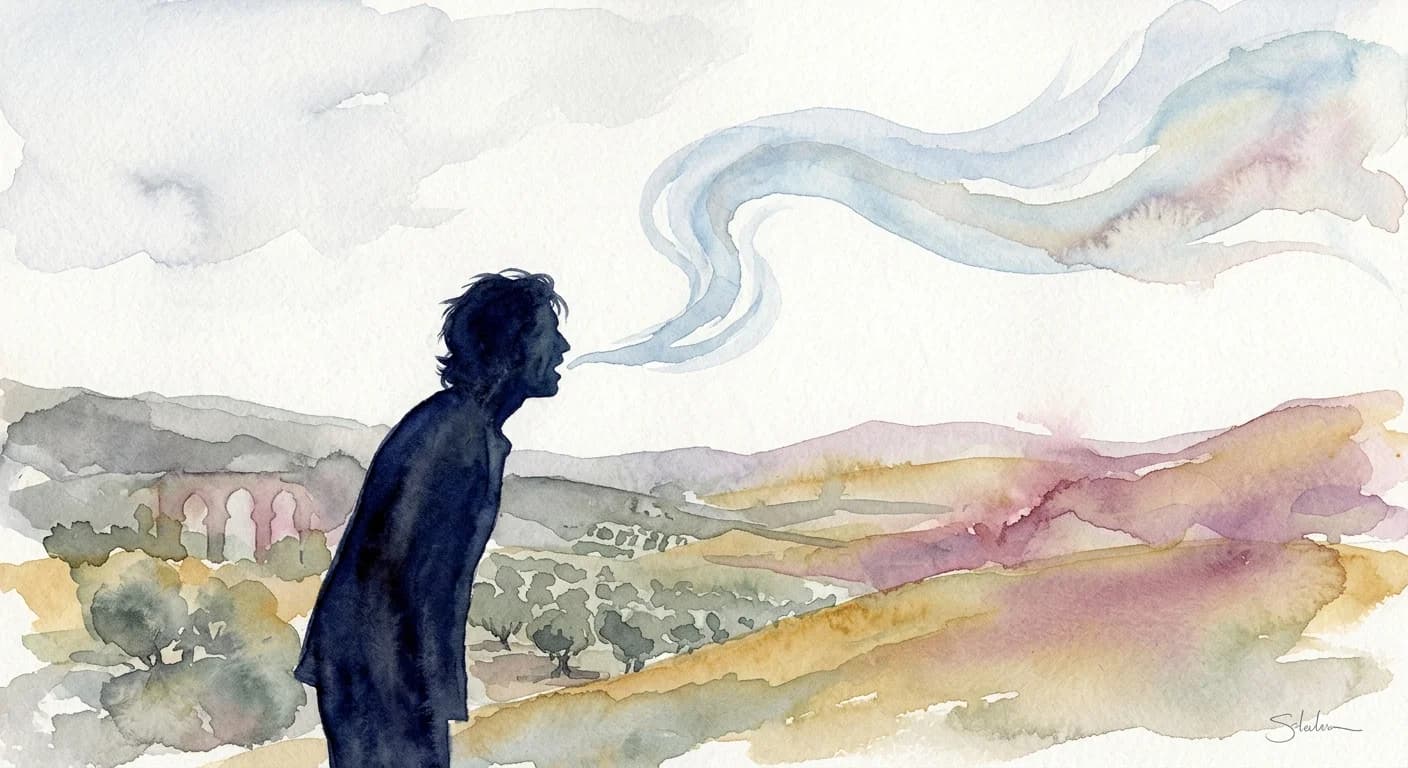
    Artistic representation of Cante jondo
    Spanish•
    🇪🇸Spain

    Cante jondo

    /KAHN-tay HOHN-doh/

    Meaning

    Cante jondo, literally 'deep song,' is the raw, visceral heart of flamenco, an art form born from the soul of Andalusia. It's not merely music; it's a profound, often guttural, vocal outpouring that channels centuries of suffering, joy, and existential grappling. Through intricate melismas and improvisational cries, the singer, or 'cantaor,' unearths the deepest human emotions – love, loss, despair, and a yearning for transcendence – creating a cathartic, shared experience that resonates with the listener's own core being.

    Literal Translation

    Deep song

    The Story Behind the Word

    The existence of 'cante jondo' is intrinsically linked to the historical crucible of Andalusia, forged from the interactions of Gitano, Moorish, Jewish, and Castilian cultures. It emerged as an expressive outlet for marginalized communities, particularly the Gitano people, who faced centuries of persecution and hardship. This word reveals a culture that values the unvarnished expression of pain and resilience, seeing it not as something to be hidden, but as a profound source of human connection and beauty. It embodies a philosophy where life's deepest truths are often found in its most challenging moments, and where art serves as a vital channel for communal memory and emotional release, a 'grito' (cry) against oppression and an affirmation of identity.

    Experience It

    A Late-Night Peña

    In a dimly lit 'peña' in Triana, the cantaor closes his eyes, his voice cracking with emotion as he begins a 'soleá.' The mournful melody and raw, guttural cries of the cante jondo fill the smoky air, silencing the room as each listener feels the weight of generations of struggle and passion in his voice.

    Grandfather's Memory

    Maria, a flamenco student, listens to an old recording of her grandfather singing. Even though she doesn't understand every word, the sheer intensity and sorrow in his cante jondo move her to tears, connecting her to his spirit and the deep roots of her family's Andalusian heritage.

    The Deeper Meaning

    Cante jondo embodies a worldview where suffering is not an obstacle to be overcome, but a profound wellspring of human experience and artistic expression. It suggests that true beauty and understanding often emerge from the depths of pain and struggle, offering a cathartic pathway to confronting life's fundamental truths and finding shared humanity in vulnerability.

    Did You Know?

    Traditionally, 'cante jondo' was often performed in intimate, spontaneous gatherings, not on large stages, emphasizing its raw, personal, and communal nature over formal presentation.

    How It's Used

    It is used to refer specifically to the most profound and traditional form of flamenco singing, often performed in intimate settings or as part of flamenco performances.

    Emotions
    belonging,bittersweet,longing,melancholy
    Contexts
    celebration,farewell,solitude
    🇪🇸Spain

    by Sofia Rossi·Written Mar 14, 2026·Updated Apr 3, 2026

    Related Words

    Explore more
    HyggeDanish

    Hygge is more than mere coziness; it's a holistic embrace of comfort, warmth, and belonging that nourishes the soul. It describes the intentional creation of an intimate atmosphere where simple pleasures, genuine connection, and mindful presence converge, fostering a profound sense of contentment and well-being. It's about finding joy and peace in the small, everyday moments, often shared with loved ones.

    SaudadePortuguese

    Saudade encapsulates a profound, melancholic longing for something or someone cherished that is absent, often with the bittersweet knowledge that it may never return. It's a deep emotional state tinged with nostalgia, evoking a sense of loss for past experiences, places, or people, yet also holding a tender appreciation for the beauty of what once was. This yearning is not merely sadness, but a complex tapestry of desire, memory, and a poignant acceptance of absence, holding the beloved in a warm, persistent embrace within the heart.

    GezelligDutch

    Gezellig encapsulates a profound sense of warmth, belonging, and convivial comfort, extending beyond mere coziness to embrace the social and emotional atmosphere. It's the feeling of being truly at ease, surrounded by good company, laughter, and a shared sense of contentment. This untranslatable term describes not just a physical space, but a holistic experience where time seems to slow down, fostering genuine connection and a deep sense of well-being.

    Dolce far nienteItalian

    Dolce far niente captures the profound joy and effortless pleasure derived from simply existing without obligation or purpose. It's the art of savoring moments of pure, unadulterated idleness – lying in the sun, watching the clouds drift, or enjoying a leisurely coffee – not as a break from work, but as a valuable state in itself. This 'sweetness of doing nothing' is a conscious embrace of stillness and contentment, allowing the soul to breathe and the senses to fully engage with the present.