U.
HomeRegionsLanguagesEmotionsCollections
Find Your Word

“The limits of my language mean the limits of my world.”

— Ludwig Wittgenstein, Philosopher

Untranslatable

A curated collection of the world's most beautiful expressions—words that remind us language is humanity's greatest invention.

  • Home
  • Collections
  • Regions
  • Countries
  • Emotions
  • Tags
  • Contexts
  • Finder
  • Europe
  • Asia
  • Americas
  • Africa
  • Middle East
  • About
  • Contact
  • Privacy Policy
  • Terms of Service

2026 © Untranslatable. All rights reserved.

    /
    /
    1. Home
    2. /
    3. Europe
    4. /
    5. Cariño
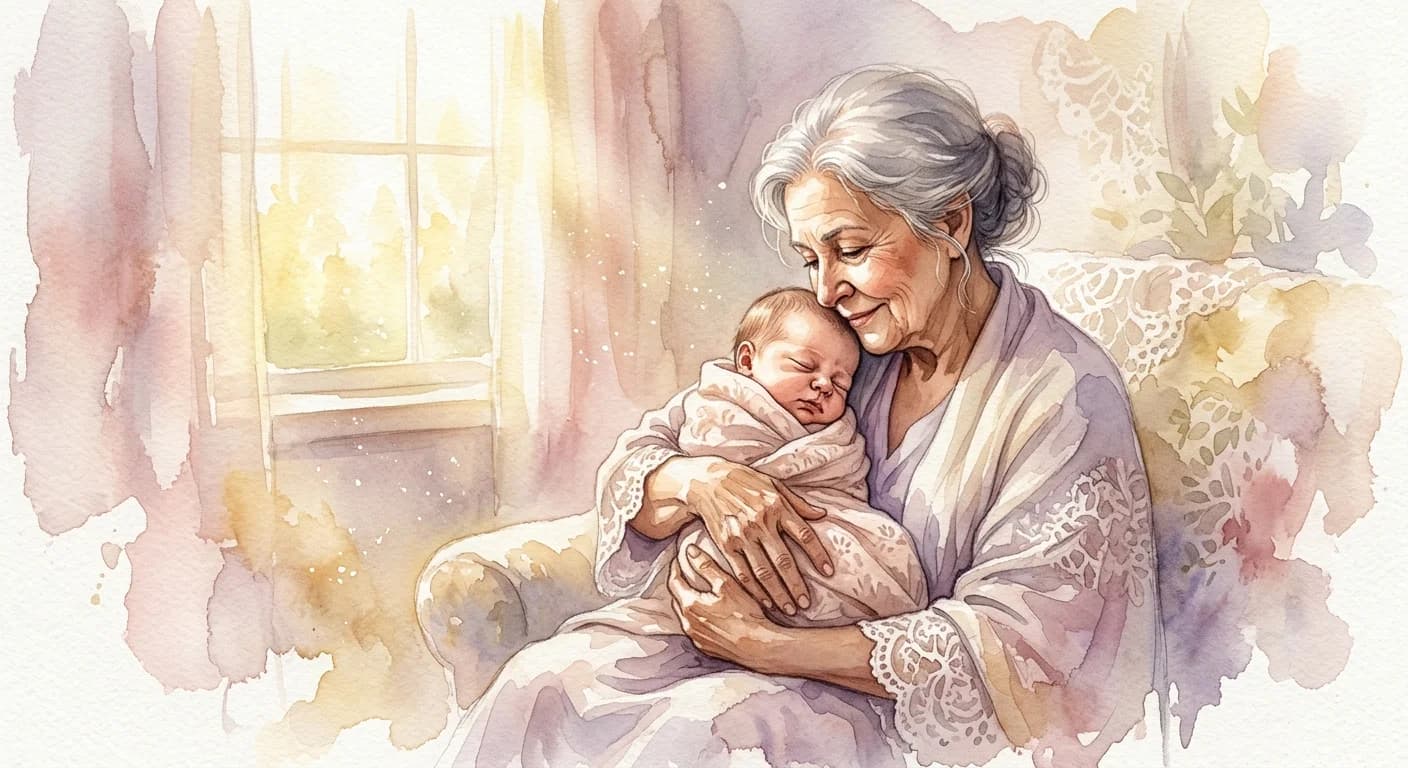
    Artistic representation of Cariño
    Spanish•
    🇦🇷Argentina🇧🇴Bolivia🇨🇱Chile🇨🇴Colombia🇨🇷Costa Rica🇨🇺Cuba🇩🇴Dominican Republic🇪🇨Ecuador🇸🇻El Salvador🇬🇹Guatemala🇭🇳Honduras🇲🇽Mexico🇳🇮Nicaragua🇵🇦Panama🇵🇾Paraguay🇵🇪Peru🇵🇷Puerto Rico🇪🇸Spain🇺🇾Uruguay🇻🇪Venezuela

    Cariño

    /kah-REE-nyoh/

    Meaning

    Cariño transcends mere affection; it's a warm, enveloping tenderness that resonates deeply within the heart, a gentle current of genuine care and loving kindness. It manifests in the softest touch, the most heartfelt gaze, or a quiet, reassuring presence, signifying a profound emotional connection. This feeling extends beyond romantic love to embrace family, cherished friends, pets, and even treasured objects, fostering a sense of safety, belonging, and deep appreciation within relationships.

    Literal Translation

    Affection, fondness, endearment

    The Story Behind the Word

    In Spanish-speaking cultures, particularly in Spain, 'cariño' is a cornerstone of social and familial interaction, reflecting a society that highly values interpersonal warmth and emotional expression. Its prevalence underscores a cultural emphasis on nurturing relationships and openly demonstrating affection, a stark contrast to more reserved Northern European or East Asian cultures. The word’s existence reveals a worldview where emotional bonds are not just felt but are actively and verbally acknowledged as vital to well-being and community cohesion. It embodies the Mediterranean appreciation for close-knit social structures and the belief that expressing love and care strengthens these fundamental ties, making 'cariño' an essential lubricant for daily life and a symbol of shared humanity.

    Experience It

    Grandmother's Comforting Words

    A child scrapes their knee, tears welling up. Their 'abuela' kneels, gently brushes their hair back, and whispers, 'Mi cariño, no llores. Ya pasó.' (My darling, don't cry. It's over.) The warmth in her voice and touch immediately soothes the child.

    Friends' Heartfelt Goodbye

    Two lifelong friends are parting ways after a long visit. As they hug, one says, 'Te tengo mucho cariño, sabes.' (I have a lot of affection for you, you know.) The other squeezes tighter, understanding the depth of genuine, enduring friendship conveyed.

    The Deeper Meaning

    The pervasive use of 'cariño' reveals a philosophy centered on emotional interconnectedness and the intrinsic value of human relationships. It suggests a worldview where vulnerability and the open expression of tender feelings are strengths, not weaknesses. This word embodies the belief that actively nurturing and acknowledging emotional bonds is fundamental to a fulfilling life and a harmonious society, fostering a culture of empathy and mutual support.

    Did You Know?

    The word 'cariño' can also refer to a 'pet' or 'darling' as a noun, like 'Es mi cariño' (He/She is my darling), highlighting its intrinsic link to something cherished.

    How It's Used

    Used as a term of endearment for a loved one, a term of affection when speaking about someone or something cherished, or as an interjection to express fondness.

    Emotions
    comfort,love,warmth
    Contexts
    family,friendship,greeting,romance
    🇦🇷Argentina🇧🇴Bolivia🇨🇱Chile🇨🇴Colombia🇨🇷Costa Rica🇨🇺Cuba🇩🇴Dominican Republic🇪🇨Ecuador🇸🇻El Salvador🇬🇹Guatemala🇭🇳Honduras🇲🇽Mexico🇳🇮Nicaragua🇵🇦Panama🇵🇾Paraguay🇵🇪Peru🇵🇷Puerto Rico🇪🇸Spain🇺🇾Uruguay🇻🇪Venezuela

    by Sofia Rossi·Written Mar 14, 2026·Updated Apr 3, 2026

    Related Words

    Explore more
    HyggeDanish

    Hygge is more than mere coziness; it's a holistic embrace of comfort, warmth, and belonging that nourishes the soul. It describes the intentional creation of an intimate atmosphere where simple pleasures, genuine connection, and mindful presence converge, fostering a profound sense of contentment and well-being. It's about finding joy and peace in the small, everyday moments, often shared with loved ones.

    SaudadePortuguese

    Saudade encapsulates a profound, melancholic longing for something or someone cherished that is absent, often with the bittersweet knowledge that it may never return. It's a deep emotional state tinged with nostalgia, evoking a sense of loss for past experiences, places, or people, yet also holding a tender appreciation for the beauty of what once was. This yearning is not merely sadness, but a complex tapestry of desire, memory, and a poignant acceptance of absence, holding the beloved in a warm, persistent embrace within the heart.

    GezelligDutch

    Gezellig encapsulates a profound sense of warmth, belonging, and convivial comfort, extending beyond mere coziness to embrace the social and emotional atmosphere. It's the feeling of being truly at ease, surrounded by good company, laughter, and a shared sense of contentment. This untranslatable term describes not just a physical space, but a holistic experience where time seems to slow down, fostering genuine connection and a deep sense of well-being.

    Dolce far nienteItalian

    Dolce far niente captures the profound joy and effortless pleasure derived from simply existing without obligation or purpose. It's the art of savoring moments of pure, unadulterated idleness – lying in the sun, watching the clouds drift, or enjoying a leisurely coffee – not as a break from work, but as a valuable state in itself. This 'sweetness of doing nothing' is a conscious embrace of stillness and contentment, allowing the soul to breathe and the senses to fully engage with the present.