U.
HomeRegionsLanguagesEmotionsCollections
Find Your Word

“The limits of my language mean the limits of my world.”

— Ludwig Wittgenstein, Philosopher

Untranslatable

A curated collection of the world's most beautiful expressions—words that remind us language is humanity's greatest invention.

  • Home
  • Collections
  • Regions
  • Countries
  • Emotions
  • Tags
  • Contexts
  • Finder
  • Europe
  • Asia
  • Americas
  • Africa
  • Middle East
  • About
  • Contact
  • Privacy Policy
  • Terms of Service

2026 © Untranslatable. All rights reserved.

    /
    /
    1. Home
    2. /
    3. Americas
    4. /
    5. Chilango
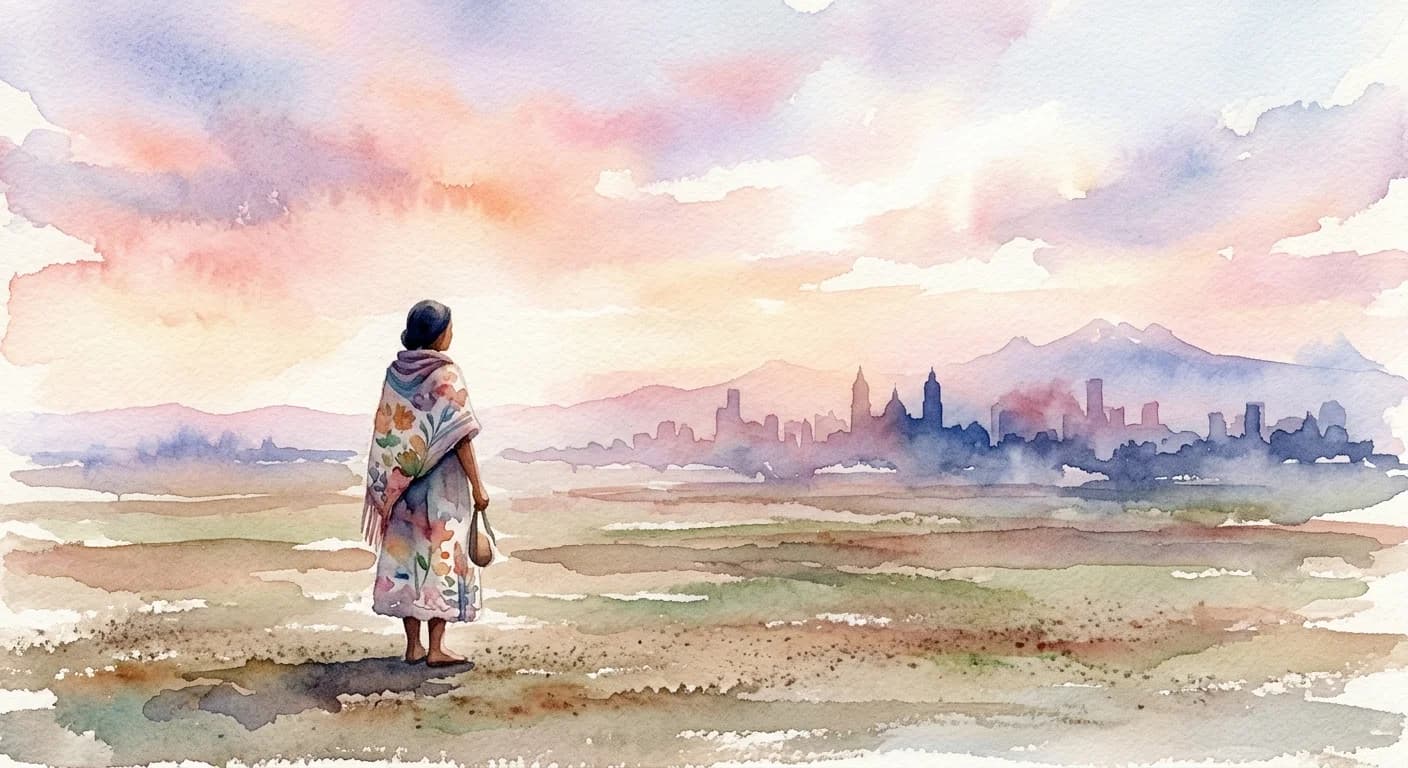
    Artistic representation of Chilango
    Spanish•
    🇲🇽Mexico

    Chilango

    /chee-LANG-go/

    Meaning

    A "Chilango" is an inhabitant of Mexico City, a term deeply imbued with the complex identity of the bustling metropolis. While sometimes used neutrally, it often carries a playful, ironic, or even slightly critical undertone, suggesting someone whose worldview is uniquely shaped, and perhaps limited, by the capital's immense scale and distinct culture. It encapsulates a sense of urban sophistication mixed with a perceived naiveté about life beyond the city limits, highlighting the historical tension and unique relationship between the capital and the rest of Mexico.

    Literal Translation

    The origin of the word is debated, but it's believed to come from Nahuatl, possibly meaning 'dweller of the lake' or referring to a type of bird.

    The Story Behind the Word

    The term 'Chilango' reflects a profound cultural dynamic within Mexico: the enduring contrast and occasional friction between the capital and the provinces. Mexico City, as the historical, political, economic, and cultural heart of the nation, often dominates the national narrative, leading to a sense of both pride and resentment. For those outside the capital, the 'Chilango' represents the concentrated power and influence of the city, sometimes viewed as arrogant or out of touch with regional realities. For city dwellers, it can be an embrace of their unique identity forged in the crucible of one of the world's largest cities. The word's existence underscores the deeply rooted regionalism and the ongoing dialogue about national identity within Mexico, where one's place of origin carries significant cultural weight.

    Experience It

    Road Trip to Oaxaca

    Maria, from Oaxaca, chuckled as her cousin from Mexico City struggled to start a campfire. "Ah, typical Chilango! All those fancy restaurants, but no idea how to cook outside the city," she teased, a playful jab at his urban upbringing.

    Defending the Capital

    At a family reunion, Uncle Pedro from Guadalajara started complaining about Mexico City's traffic. "You provincial folks just don't get the pace of a real city," retorted his nephew, a proud Chilango, defending the capital's vibrant, if chaotic, energy.

    The Deeper Meaning

    The word 'Chilango' reveals a philosophy of identity intrinsically tied to geography and urbanism. It suggests that one's environment profoundly shapes their character, values, and worldview. It speaks to the universal human tendency to categorize and differentiate based on origin, creating both solidarity within a group and perceived 'otherness' with those outside it, all while celebrating or critiquing the unique spirit of a mega-city.

    Did You Know?

    While often perceived as modern, the term 'Chilango' is believed to have ancient Nahuatl roots, possibly linking Mexico City inhabitants to the pre-Hispanic identity of the lake dwellers, long before the Spanish conquest.

    How It's Used

    Used in Mexico, primarily in reference to inhabitants of Mexico City, often by people from other parts of Mexico. It can be used affectionately, humorously, or sometimes with mild disdain.

    Emotions
    belonging,pride
    Contexts
    dining,social interaction,travel
    🇲🇽Mexico

    by Sofia Rossi·Written Mar 14, 2026·Updated Apr 3, 2026

    Related Words

    Explore more
    SobremesaSpanish

    Sobremesa is the cherished, often extended period immediately following a meal, particularly lunch or dinner, where diners remain seated at the table to enjoy conversation, coffee, and digest not just the food, but the company itself. It’s a dedicated time for unhurried social bonding, storytelling, and shared laughter, transforming a simple meal into a profound communal experience. Far from just clearing the dishes, sobremesa is an integral part of Spanish social life, often lasting for hours.

    Pura vidaSpanish

    More than just 'pure life,' "Pura vida" encapsulates a profound philosophy of embracing the present moment with unwavering optimism and gratitude. It's a daily commitment to finding joy in simple pleasures, accepting life's challenges with a positive spirit, and prioritizing well-being over material possessions. This ubiquitous phrase reflects a national identity built on resilience, community, and an deep appreciation for nature's bounty.

    MamihlapinatapaiYaghan

    Mamihlapinatapai encapsulates that profound, unspoken moment when two individuals lock eyes, each silently acknowledging a mutual desire or intention, yet both hesitate to be the first to act upon it. It's a delicate dance of anticipation, a shared gaze brimming with common understanding and a quiet longing for the other to break the ice. This intricate look carries the weight of a shared, uninitiated potential, a silent conversation where both parties are perfectly aware of what could happen, but neither makes the first move.

    UbuntuZulu/Xhosa

    Ubuntu is a profound African philosophy that translates to 'I am because we are,' signifying that an individual's humanity is inextricably linked to the humanity of others. It embodies the belief that our existence and well-being are deeply intertwined with the community. This concept emphasizes compassion, reciprocity, dignity, and the understanding that true fulfillment is found not in isolation, but through collective flourishing and mutual support. It's a call to recognize and affirm the humanity in everyone, fostering a sense of interconnectedness.