Cimarrón
/see-mah-RROHN/
Meaning
Originally describing wild, untamed creatures, 'cimarrón' dramatically transformed to embody enslaved Africans who defied their chains, escaping into the wild to forge independent communities. These 'cimarrones' symbolize an unyielding spirit of resistance and self-reliance, carving out lives of freedom against unimaginable odds. The term encapsulates untamed independence, profound resilience, and a deep, defiant connection to nature, representing a powerful legacy of liberty reclaimed in the face of brutal oppression. It speaks to a proud heritage of freedom fighters who fiercely asserted their autonomy.
Literal Translation
Wild, feral, runaway
The Story Behind the Word
The word 'cimarrón' is steeped in the brutal history of slavery in the Americas, particularly in Cuba and other Caribbean nations. Its evolution from describing feral animals to human beings reflects the dehumanization inherent in the slave system, yet simultaneously elevates the escapees to a status of wild, untamable freedom. It speaks to a profound cultural memory of resistance and the human spirit's refusal to be crushed. The existence of this word, and the stories it carries, reveals a societal understanding that true freedom is often fought for, not given. It highlights the enduring impact of African heritage and the powerful narrative of self-liberation, shaping a worldview where defiance against injustice is a celebrated virtue, and where nature can be a sanctuary and an ally in the pursuit of liberty. The 'cimarrón' is not just a historical figure, but a potent symbol of enduring hope and the triumph of the human will.
Experience It
The Cimarrón Trail
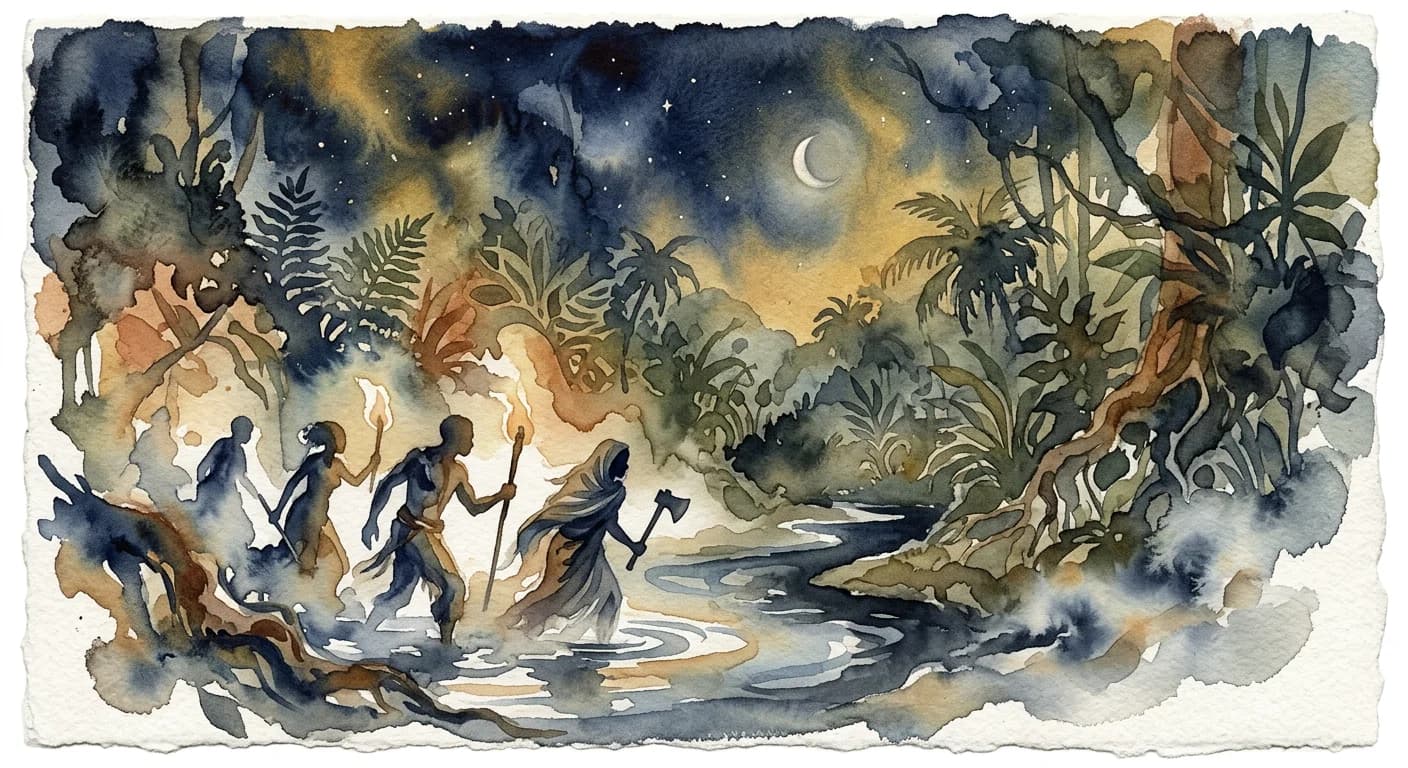
Deep within the dense Cuban mountains, a small group of villagers ventured off the main path. 'This is the old cimarrón trail,' the elder whispered, pointing to a barely discernible track. 'Our ancestors used it to escape, living free among the wildness, just like the term suggests.'
Modern Cimarrón Spirit
María, a young artist, refused to conform to the expectations of her conservative family, choosing instead to live a nomadic life, creating art inspired by nature. Her grandmother, with a knowing smile, remarked, 'She has a true cimarrón spirit, untamed and fiercely independent, just like the old stories.'
The Deeper Meaning
The concept of 'cimarrón' profoundly illustrates the inherent human drive for freedom and self-determination, even in the most dire circumstances. It challenges the notion of ownership over another human being and posits that true liberty is an intrinsic state, not a gift. This word embodies a philosophy where resistance against oppression is not merely an act of rebellion, but a fundamental affirmation of humanity, suggesting that wildness and untamed spirit are synonymous with genuine freedom and dignity.
Did You Know?
The word 'cimarrón' is believed to have originated from the Spanish word 'cima,' meaning 'summit' or 'mountaintop,' reflecting the inaccessible, wild terrains where escaped slaves often found refuge.
How It's Used
Used to describe escaped slaves, wild animals, or anything that is untamed or feral. It can also refer to people who live independently or resist societal norms.