Cipote
/see-POH-teh/
Meaning
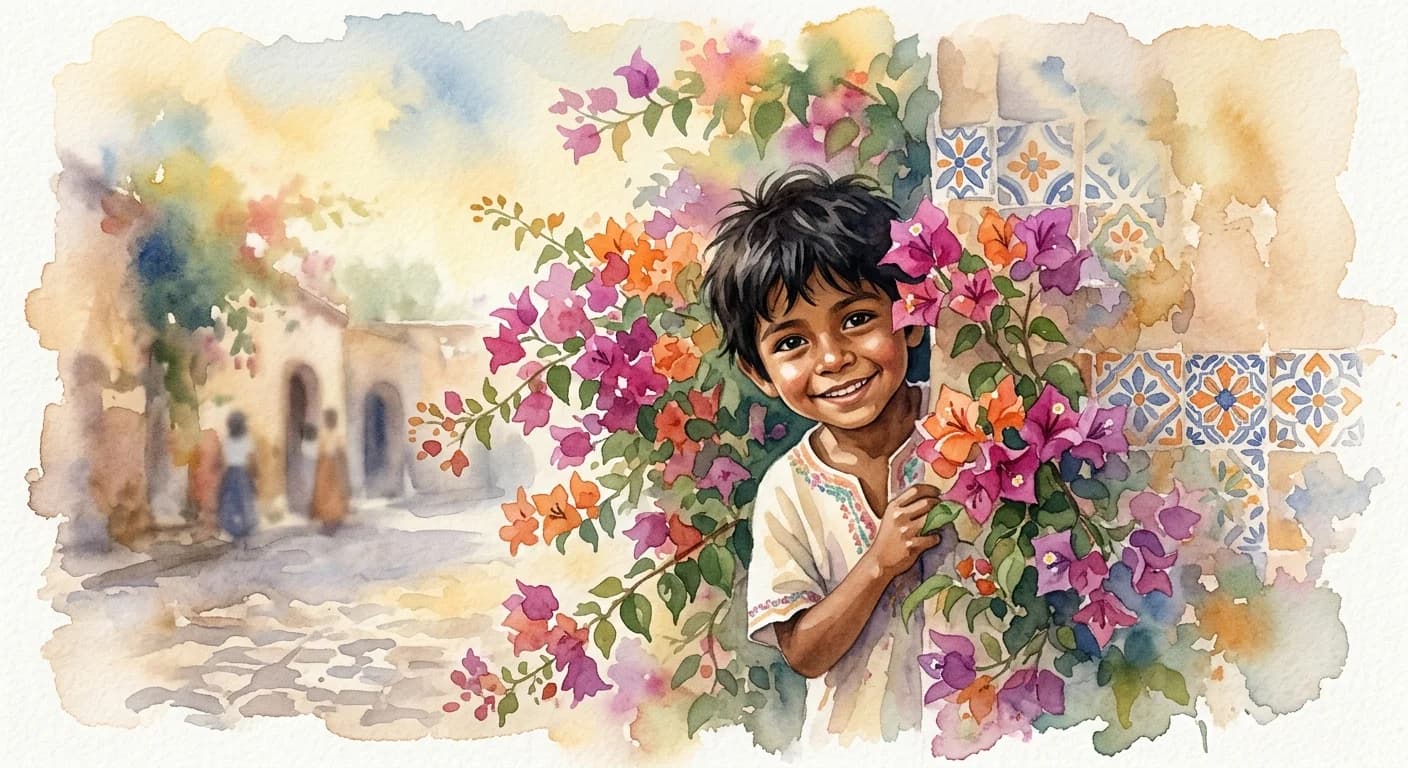
In Mexico, "cipote" has undergone a fascinating semantic shift, transforming from a crude, vulgar term for a penis into an affectionate, often playful, descriptor for a young boy or child. This evolution imbues the word with a sense of endearment, tinged with a hint of mischief, akin to calling a youngster a 'rascal' or 'little scamp.' It reflects a cultural tendency to reclaim and soften once-taboo language, adapting it into everyday, familiar parlance, particularly when addressing the innocent energy of youth.
Literal Translation
penis (vulgar); young boy/child (colloquial)
The Story Behind the Word
The curious evolution of 'cipote' in Mexico speaks volumes about the dynamic and often irreverent nature of Mexican Spanish. Its journey from a highly vulgar anatomical term to an affectionate nickname for children highlights a cultural comfort with linguistic playfulness and euphemistic adaptation. This transformation isn't about forgetting the original meaning, but rather about a conscious, or perhaps unconscious, act of linguistic domestication, where the shock value is defused and repurposed. It reveals a society that can embrace the crude and the tender within the same linguistic framework, often finding humor and endearment in unexpected places. This linguistic flexibility mirrors a broader cultural trait of resilience and an ability to find joy and familiarity in life's complexities, even through the filter of language. The word's usage implies a close, informal relationship, typical of the warmth and directness in Mexican interpersonal communication.
Experience It
Playful Scolding
A grandmother watches her grandson mischievously splash water from a puddle. Shaking her head with a fond smile, she calls out, '¡Ay, qué cipote tan travieso eres! Come inside before you catch a cold.' She uses the word with a clear blend of exasperation and deep affection.
Proud Introduction
A father introduces his energetic son to a friend. Patting the boy's head, he says, 'Este es mi cipote, siempre anda correteando por todos lados.' The term here conveys pride and a familiar, loving acknowledgment of his son's lively nature.
The Deeper Meaning
The transformation of 'cipote' illustrates the power of context and community in shaping meaning, revealing that language is a living entity, not static. It showcases how a culture can reclaim and recontextualize terms, stripping them of their original harshness to imbue them with new, softer connotations. This linguistic alchemy reflects a worldview where even the seemingly inappropriate can be domesticated and made affectionate, highlighting a cultural comfort with ambiguity and a playful approach to communication.
Did You Know?
The word 'cipote' also appears in other Spanish-speaking regions, like El Salvador and Honduras, where it retains its original, cruder meaning, making the Mexican and Filipino usage a unique linguistic divergence.
How It's Used
Used colloquially to refer to a young boy or child, often with a sense of familiarity or affection, and sometimes implying a bit of playful naughtiness.