Contrapunteo
/KON-trah-POON-teh-oh/
Meaning
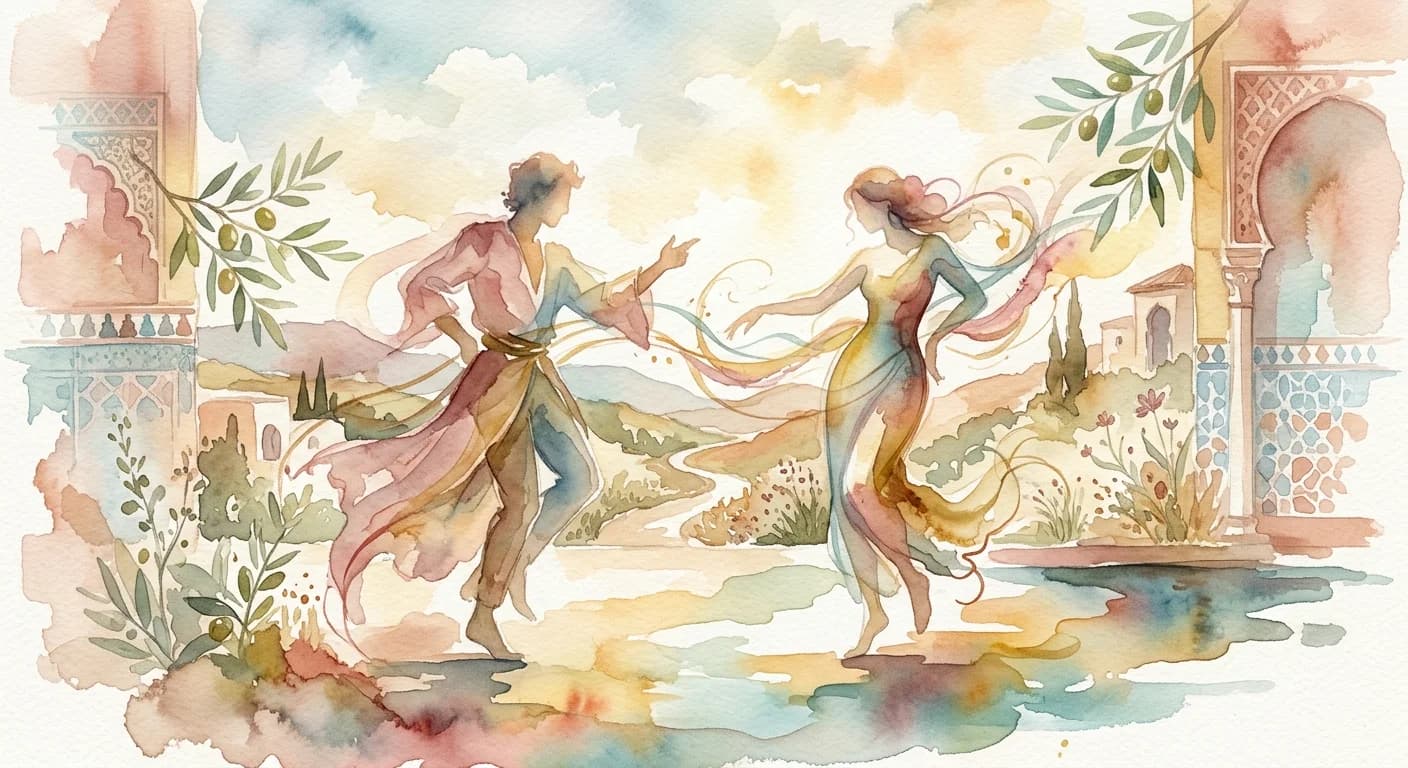
Contrapunteo describes a dynamic, often improvised, verbal joust characterized by sharp wit, playful argumentation, and a competitive spirit. It transcends simple debate, evolving into a performative dance of language where participants skillfully weave together arguments, humorous barbs, and shared cultural references. This engaging linguistic sparring demands quick thinking, a profound grasp of mutual context, and a spirited yet respectful rivalry, embodying a vibrant form of conversational artistry that defies a single English equivalent.
Literal Translation
Counterpoint
The Story Behind the Word
The existence of 'contrapunteo' in Spanish culture highlights a deep appreciation for rhetorical agility and the performative aspect of communication. Rooted in oral traditions, including medieval poetic duels and folk song competitions like the 'décima' in various Latin American countries, it reflects a society that values not just what is said, but how it is said. It's a manifestation of 'ingenio' (ingenuity/wit) and 'agudeza' (sharpness), demonstrating social intelligence and a capacity for intellectual play. This cultural emphasis on verbal artistry reveals a worldview where language is a tool for connection, challenge, and entertainment, fostering a lively intellectual environment where ideas are tested and refined through spirited exchange rather than mere declaration.
Experience It
Marketplace Banter
At the bustling market, a fishmonger and a vegetable vendor engage in a rapid-fire contrapunteo, each trying to outdo the other with humorous boasts about their produce and playful insults. Shoppers gather, amused by their quick wit and the theatrical exchange that makes buying groceries an event.
Literary Salon Duel
During a literary salon, two poets, after a reading, launch into an impromptu contrapunteo about the merits of classical versus modern verse. Their arguments are sharp, laced with literary allusions and clever wordplay, delighting the audience with their intellectual sparring.
What Gets Lost in Translation
English speakers might mistake 'contrapunteo' for mere arguing or debating. However, it's distinct because it often prioritizes style, wit, and performative skill over outright victory or factual accuracy. The goal isn't necessarily to 'win' but to impress and entertain through linguistic dexterity, making it more art than pure contention.
Across Cultures
Similar concepts exist across cultures. Japanese 'manzai' features a comedic duo engaging in rapid-fire banter. In parts of the Caribbean, 'calypso tents' host lyrical debates and contests. The Scottish 'flyting' was a historical poetic contest of insults, while rap battles in hip-hop culture also share a competitive, improvisational verbal element.
The Deeper Meaning
This word reveals a philosophy where interaction is inherently dynamic and creative. It underscores that truth and understanding can emerge not just from rigid logic, but from the playful friction of opposing viewpoints. It celebrates the human capacity for spontaneous invention and the communal joy found in shared intellectual and linguistic performance, viewing dialogue as a living art form.
Did You Know?
Did you know 'contrapunteo' shares its root with 'counterpoint' in music? Both refer to the art of combining independent melodic lines into a harmonious whole, mirroring the intricate interplay of voices in a verbal joust.
How It's Used
Used to describe a sharp, witty, or argumentative exchange of words, often in a playful or competitive manner, especially in debates, public discussions, or even informal conversations.