U.
HomeRegionsLanguagesEmotionsCollections
Find Your Word

“The limits of my language mean the limits of my world.”

— Ludwig Wittgenstein, Philosopher

Untranslatable

A curated collection of the world's most beautiful expressions—words that remind us language is humanity's greatest invention.

  • Home
  • Collections
  • Regions
  • Countries
  • Emotions
  • Tags
  • Contexts
  • Finder
  • Europe
  • Asia
  • Americas
  • Africa
  • Middle East
  • About
  • Contact
  • Privacy Policy
  • Terms of Service

2026 © Untranslatable. All rights reserved.

    /
    /
    1. Home
    2. /
    3. Europe
    4. /
    5. Faire la bise
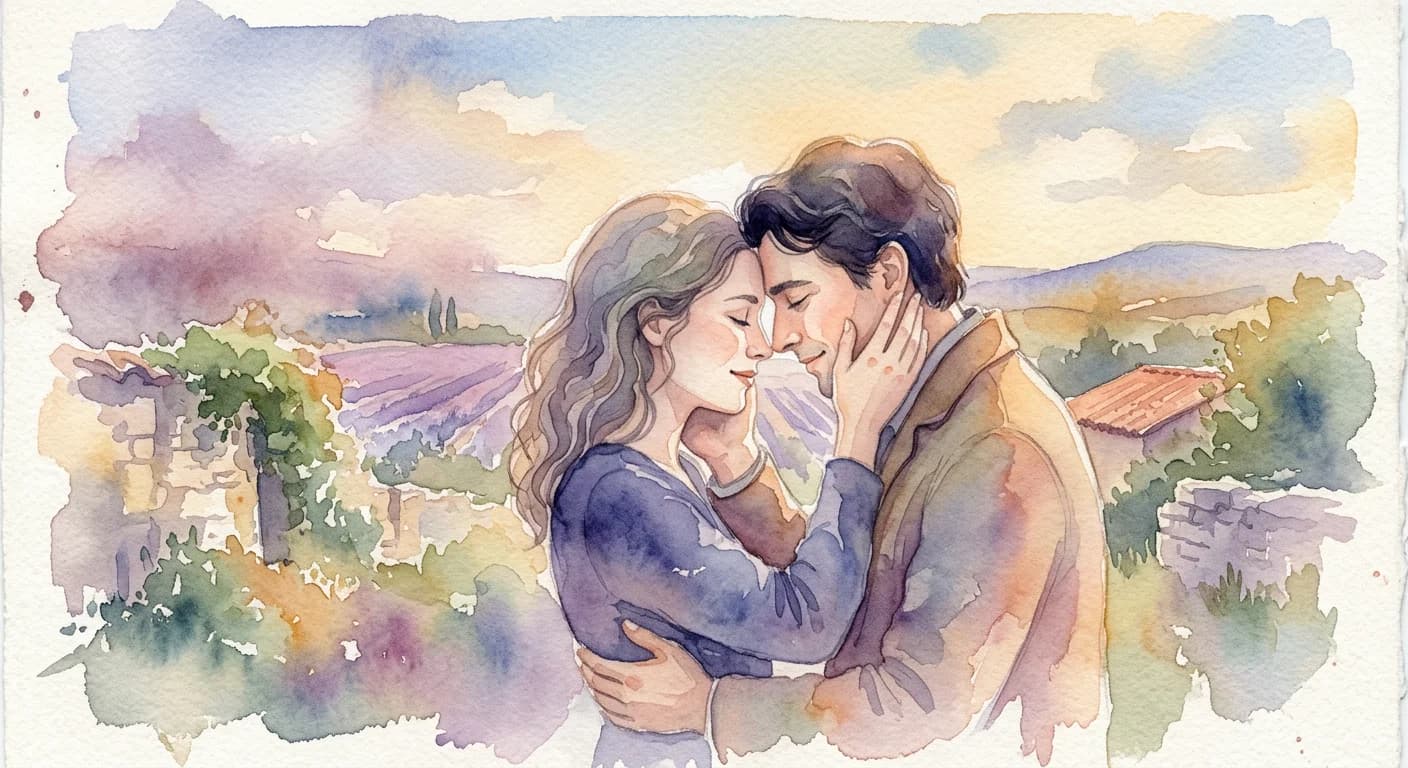
    Artistic representation of Faire la bise
    French•
    🇧🇪Belgium🇨🇦Canada🇫🇷France🇨🇭Switzerland

    Faire la bise

    /fehr lah beez/

    Meaning

    "Faire la bise" describes the quintessential French social ritual of greeting or bidding farewell by lightly touching cheeks and emitting a soft kissing sound. Far from a romantic overture, this intimate gesture is a potent symbol of warmth, familiarity, and community, weaving individuals into the social fabric. It's a nuanced dance of unspoken rules, dictating who, when, and how many 'bises' are exchanged, transforming a simple encounter into a reaffirmation of connection and belonging within French society.

    Literal Translation

    To do the kiss

    The Story Behind the Word

    The practice of "faire la bise" is deeply rooted in French and wider Romance-speaking cultures, tracing its origins back to antiquity as a sign of peace or recognition. Its persistence in modern France reveals a cultural prioritization of tactile interaction and personal connection over purely verbal exchanges. It underscores a collectivist ethos where physical proximity and shared intimacy, even in a ritualistic form, are fundamental to social cohesion. This ritual reflects a worldview where relationships are nurtured through embodied gestures, fostering a sense of warmth and familiarity that transcends formal boundaries and reinforces the bonds of community. It's a daily affirmation of belonging and mutual recognition.

    Experience It

    Family Reunion Welcome

    Aunt Sophie arrives at the bustling family gathering. Before she can even put down her coat, her niece Léa rushes to her, and they exchange two quick 'bises' on alternating cheeks, a familiar and comforting start to the evening's festivities.

    Office Farewell

    It's Friday evening, and Cécile is leaving work. As she passes her close colleague, Marc, they briefly pause. He leans in to 'faire la bise,' a casual, friendly gesture that marks the end of the week and their professional camaraderie.

    The Deeper Meaning

    This custom encapsulates a philosophy where human connection is not merely conceptual but physically manifested and affirmed. It reveals a culture that values embodied communication and the subtle, unspoken language of touch as integral to social bonding and the expression of affection. It underscores the idea that intimacy, even ritualized, is essential for a vibrant community life, bridging the gap between individual existence and collective belonging.

    Did You Know?

    The number of 'bises' exchanged varies significantly by French region, ranging from a single kiss in some areas to four in others, often depending on local tradition and the specific relationship.

    How It's Used

    Used as a greeting or farewell among friends, family, and sometimes acquaintances, particularly in social settings. The number of kisses can vary by region and personal relationship.

    Emotions
    belonging,bittersweet,warmth
    Contexts
    family,farewell,friendship,greeting
    🇧🇪Belgium🇨🇦Canada🇫🇷France🇨🇭Switzerland

    by Annelise Dubois·Written Mar 10, 2026·Updated Apr 3, 2026

    Related Words

    Explore more
    HyggeDanish

    Hygge is more than mere coziness; it's a holistic embrace of comfort, warmth, and belonging that nourishes the soul. It describes the intentional creation of an intimate atmosphere where simple pleasures, genuine connection, and mindful presence converge, fostering a profound sense of contentment and well-being. It's about finding joy and peace in the small, everyday moments, often shared with loved ones.

    SaudadePortuguese

    Saudade encapsulates a profound, melancholic longing for something or someone cherished that is absent, often with the bittersweet knowledge that it may never return. It's a deep emotional state tinged with nostalgia, evoking a sense of loss for past experiences, places, or people, yet also holding a tender appreciation for the beauty of what once was. This yearning is not merely sadness, but a complex tapestry of desire, memory, and a poignant acceptance of absence, holding the beloved in a warm, persistent embrace within the heart.

    GezelligDutch

    Gezellig encapsulates a profound sense of warmth, belonging, and convivial comfort, extending beyond mere coziness to embrace the social and emotional atmosphere. It's the feeling of being truly at ease, surrounded by good company, laughter, and a shared sense of contentment. This untranslatable term describes not just a physical space, but a holistic experience where time seems to slow down, fostering genuine connection and a deep sense of well-being.

    Dolce far nienteItalian

    Dolce far niente captures the profound joy and effortless pleasure derived from simply existing without obligation or purpose. It's the art of savoring moments of pure, unadulterated idleness – lying in the sun, watching the clouds drift, or enjoying a leisurely coffee – not as a break from work, but as a valuable state in itself. This 'sweetness of doing nothing' is a conscious embrace of stillness and contentment, allowing the soul to breathe and the senses to fully engage with the present.