U.
HomeRegionsLanguagesEmotionsCollections
Find Your Word

“The limits of my language mean the limits of my world.”

— Ludwig Wittgenstein, Philosopher

Untranslatable

A curated collection of the world's most beautiful expressions—words that remind us language is humanity's greatest invention.

  • Home
  • Collections
  • Regions
  • Countries
  • Emotions
  • Tags
  • Contexts
  • Finder
  • Europe
  • Asia
  • Americas
  • Africa
  • Middle East
  • About
  • Contact
  • Privacy Policy
  • Terms of Service

2026 © Untranslatable. All rights reserved.

    /
    /
    1. Home
    2. /
    3. Europe
    4. /
    5. Humer
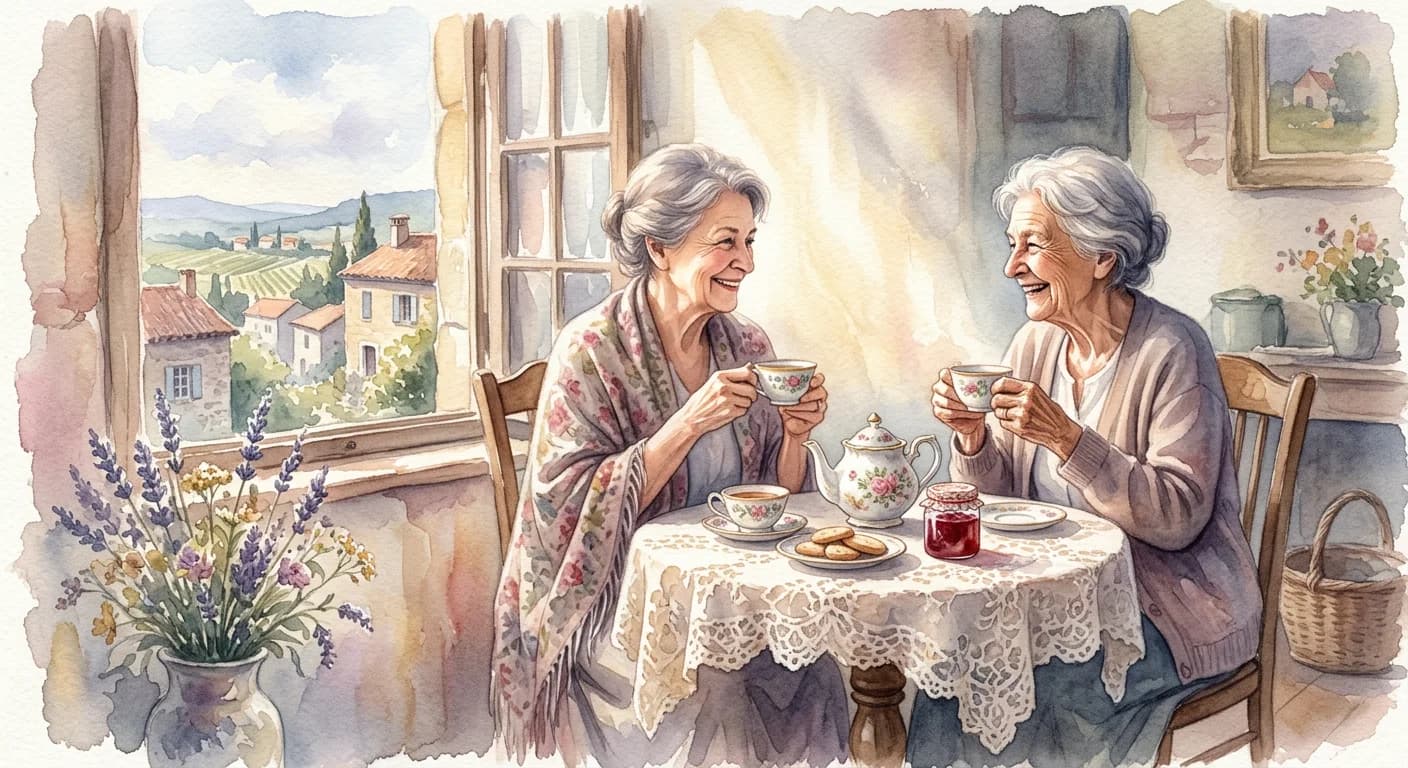
    Artistic representation of Humer
    French•
    🇫🇷France

    Humer

    /oo-MAIR/

    Meaning

    Humer encapsulates a distinct French art of gentle mockery and playful teasing, a sophisticated form of humor that lightens the mood without resorting to harshness. It involves a subtle wit, often with a touch of irony or a knowing wink, designed to deflate pretension or seriousness. This act fosters camaraderie through shared laughter, acknowledging a collective understanding of human quirks and everyday absurdities. It's about finding amusement in life's nuances, creating connection rather than division.

    Literal Translation

    to make fun of, to joke

    The Story Behind the Word

    The concept of "humer" is deeply embedded in French social interaction, reflecting a cultural appreciation for wit, irony, and intellectual playfulness. It speaks to a society that values nuance in communication and often uses humor as a social lubricant, a way to navigate complex relationships and defuse tension. Unlike direct criticism, humer allows for gentle correction or observation within a framework of shared understanding and respect. It reveals a worldview where life's imperfections are not to be condemned but rather observed with a wry smile, fostering a sense of collective experience and resilience through lighthearted acceptance. This practice is a cornerstone of French conviviality, where conversation is an art form, and the ability to "humer" gracefully is a sign of social intelligence and charm.

    Experience It

    The Overdressed Friend

    At a casual dinner, Jean-Luc arrives in a full suit. Marie-Sophie, with a twinkle in her eye, remarks, "Ah, Jean-Luc, are you perhaps attending a gala after our humble gathering?" Everyone chuckles, and Jean-Luc, understanding the gentle "humer," grins and loosens his tie.

    Chef's "Secret" Ingredient

    During a family meal, Aunt Sylvie proudly presents her famous, slightly burnt tarte Tatin. Her nephew, Antoine, deadpans, "Auntie, your secret ingredient truly adds a unique... smokiness." Sylvie playfully swats his arm, both knowing he's "humer-ing" her cooking with affection.

    The Deeper Meaning

    This word reflects a philosophy that acknowledges life's inherent absurdities and human foibles, not with judgment, but with a nuanced, accepting perspective. It suggests that finding lightness in imperfections and sharing a knowing smile is a profound way to connect, build community, and navigate existence. "Humer" embodies a rejection of rigid seriousness, advocating for a worldview where wit and playful irony are essential tools for understanding and engaging with the world.

    Did You Know?

    The root of "humer" is linked to "humeur" (mood), suggesting that this form of humor is about influencing the mood or atmosphere with a light touch, rather than just telling jokes.

    How It's Used

    Used in conversation to describe someone's ability to find humor in a situation or to describe the act of teasing someone playfully.

    Emotions
    comfort,joy,warmth
    Contexts
    dining,family,friendship,relaxation
    🇫🇷France

    by Sofia Rossi·Written Mar 10, 2026·Updated Apr 3, 2026

    Related Words

    Explore more
    HyggeDanish

    Hygge is more than mere coziness; it's a holistic embrace of comfort, warmth, and belonging that nourishes the soul. It describes the intentional creation of an intimate atmosphere where simple pleasures, genuine connection, and mindful presence converge, fostering a profound sense of contentment and well-being. It's about finding joy and peace in the small, everyday moments, often shared with loved ones.

    SaudadePortuguese

    Saudade encapsulates a profound, melancholic longing for something or someone cherished that is absent, often with the bittersweet knowledge that it may never return. It's a deep emotional state tinged with nostalgia, evoking a sense of loss for past experiences, places, or people, yet also holding a tender appreciation for the beauty of what once was. This yearning is not merely sadness, but a complex tapestry of desire, memory, and a poignant acceptance of absence, holding the beloved in a warm, persistent embrace within the heart.

    GezelligDutch

    Gezellig encapsulates a profound sense of warmth, belonging, and convivial comfort, extending beyond mere coziness to embrace the social and emotional atmosphere. It's the feeling of being truly at ease, surrounded by good company, laughter, and a shared sense of contentment. This untranslatable term describes not just a physical space, but a holistic experience where time seems to slow down, fostering genuine connection and a deep sense of well-being.

    Dolce far nienteItalian

    Dolce far niente captures the profound joy and effortless pleasure derived from simply existing without obligation or purpose. It's the art of savoring moments of pure, unadulterated idleness – lying in the sun, watching the clouds drift, or enjoying a leisurely coffee – not as a break from work, but as a valuable state in itself. This 'sweetness of doing nothing' is a conscious embrace of stillness and contentment, allowing the soul to breathe and the senses to fully engage with the present.