U.
HomeRegionsLanguagesEmotionsCollections
Find Your Word

“The limits of my language mean the limits of my world.”

— Ludwig Wittgenstein, Philosopher

Untranslatable

A curated collection of the world's most beautiful expressions—words that remind us language is humanity's greatest invention.

  • Home
  • Collections
  • Regions
  • Countries
  • Emotions
  • Tags
  • Contexts
  • Finder
  • Europe
  • Asia
  • Americas
  • Africa
  • Middle East
  • About
  • Contact
  • Privacy Policy
  • Terms of Service

2026 © Untranslatable. All rights reserved.

    /
    /
    1. Home
    2. /
    3. Europe
    4. /
    5. Barda
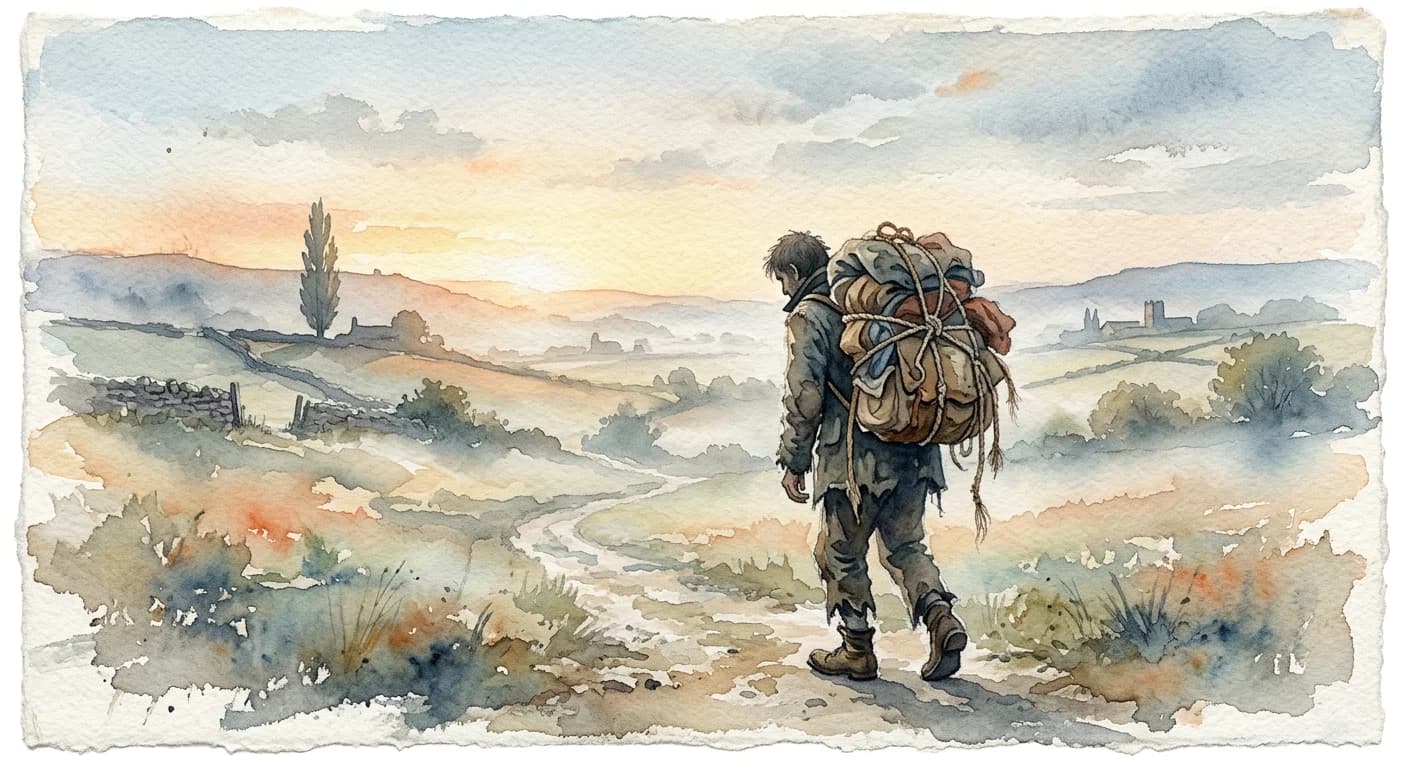
    Artistic representation of Barda
    French•
    🇫🇷France

    Barda

    /BAR-dah/

    Meaning

    The French word "barda" vividly describes the weighty, often unwieldy collection of personal effects, gear, and provisions that one must transport, particularly during demanding circumstances. It goes beyond simple luggage, encapsulating the physical and mental burden of a substantial load that, while necessary, significantly impedes ease of movement and can even diminish one's sense of well-being. This term evokes the image of a person literally weighed down by their possessions, a testament to the essential yet cumbersome nature of their belongings on a journey or mission.

    Literal Translation

    luggage, gear, equipment

    The Story Behind the Word

    The term "barda" finds its roots in military slang, specifically from the North African campaigns of the French army, where soldiers carried their entire existence on their backs through harsh terrains. This origin imbues the word with a deep sense of hardship, resilience, and the stark reality of survival. It reflects a cultural understanding that life's necessities can often become its greatest burdens, especially when mobility and resourcefulness are paramount. The persistence of "barda" in everyday language speaks to a collective appreciation for the challenges of preparedness and the inherent friction between freedom of movement and the demands of carrying one's own world, whether literally or metaphorically. It's a subtle nod to the French pragmatism that acknowledges the physical toll of responsibility.

    Experience It

    Soldier's Heavy Load

    After a grueling march, the young recruit collapsed, his shoulders aching. "Mon barda est trop lourd," he groaned, referring to the heavy pack that contained his rifle, rations, and personal effects, feeling every ounce of its oppressive weight.

    Traveler's Backpack

    Preparing for her year-long backpacking trip, Marie stared at her overflowing rucksack. "C'est mon barda pour l'aventure," she sighed, knowing this cumbersome collection of essentials would be her constant companion and challenge across continents.

    The Deeper Meaning

    The concept of "barda" subtly underscores a philosophical tension between necessity and freedom. It highlights how even essential provisions can become an encumbrance, forcing an individual to confront the physical limitations imposed by their own needs and choices. It reflects a stoic acceptance of burden as an inherent part of certain endeavors, acknowledging that progress often comes with a tangible weight.

    Did You Know?

    The word "barda" is thought to have originated from Arabic or Berber languages, entering French military slang through colonial encounters in North Africa.

    How It's Used

    Used to describe the total amount of luggage or equipment carried by someone, particularly in contexts like military service, camping, or extensive travel.

    Emotion
    longing
    Contexts
    daily life,travel,work
    🇫🇷France

    by Anya Petrova·Written Mar 10, 2026·Updated Apr 3, 2026

    Related Words

    Explore more
    HyggeDanish

    Hygge is more than mere coziness; it's a holistic embrace of comfort, warmth, and belonging that nourishes the soul. It describes the intentional creation of an intimate atmosphere where simple pleasures, genuine connection, and mindful presence converge, fostering a profound sense of contentment and well-being. It's about finding joy and peace in the small, everyday moments, often shared with loved ones.

    SaudadePortuguese

    Saudade encapsulates a profound, melancholic longing for something or someone cherished that is absent, often with the bittersweet knowledge that it may never return. It's a deep emotional state tinged with nostalgia, evoking a sense of loss for past experiences, places, or people, yet also holding a tender appreciation for the beauty of what once was. This yearning is not merely sadness, but a complex tapestry of desire, memory, and a poignant acceptance of absence, holding the beloved in a warm, persistent embrace within the heart.

    GezelligDutch

    Gezellig encapsulates a profound sense of warmth, belonging, and convivial comfort, extending beyond mere coziness to embrace the social and emotional atmosphere. It's the feeling of being truly at ease, surrounded by good company, laughter, and a shared sense of contentment. This untranslatable term describes not just a physical space, but a holistic experience where time seems to slow down, fostering genuine connection and a deep sense of well-being.

    Dolce far nienteItalian

    Dolce far niente captures the profound joy and effortless pleasure derived from simply existing without obligation or purpose. It's the art of savoring moments of pure, unadulterated idleness – lying in the sun, watching the clouds drift, or enjoying a leisurely coffee – not as a break from work, but as a valuable state in itself. This 'sweetness of doing nothing' is a conscious embrace of stillness and contentment, allowing the soul to breathe and the senses to fully engage with the present.