U.
HomeRegionsLanguagesEmotionsCollections
Find Your Word

“The limits of my language mean the limits of my world.”

— Ludwig Wittgenstein, Philosopher

Untranslatable

A curated collection of the world's most beautiful expressions—words that remind us language is humanity's greatest invention.

  • Home
  • Collections
  • Regions
  • Countries
  • Emotions
  • Tags
  • Contexts
  • Finder
  • Europe
  • Asia
  • Americas
  • Africa
  • Middle East
  • About
  • Contact
  • Privacy Policy
  • Terms of Service

2026 © Untranslatable. All rights reserved.

    /
    /
    1. Home
    2. /
    3. Europe
    4. /
    5. Chiner
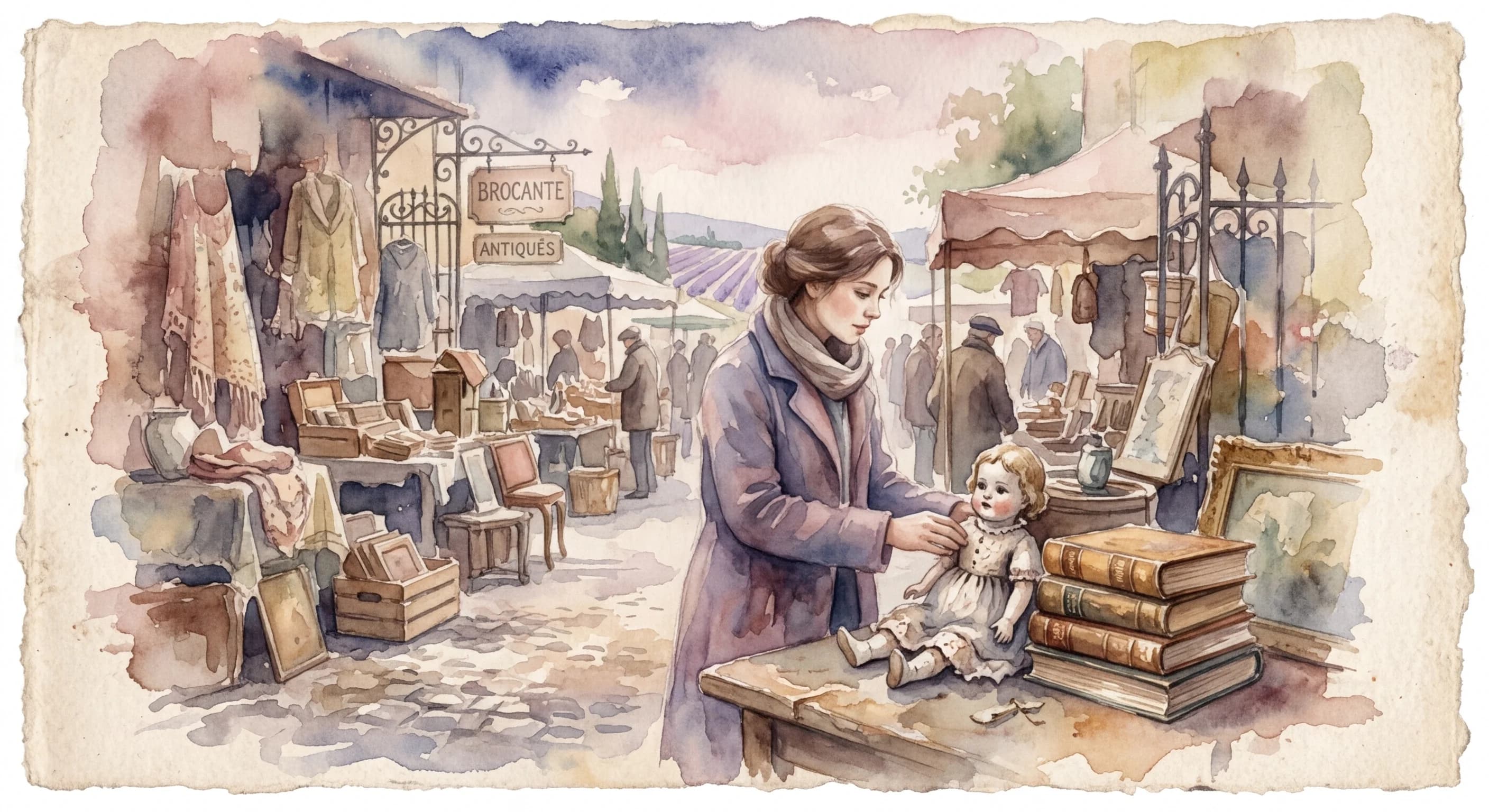
    Artistic representation of Chiner
    French•
    🇫🇷France

    Chiner

    /shee-NAY/

    Meaning

    To 'chiner' is to embark on a delightful quest through flea markets, antique stalls, and second-hand shops, seeking out hidden gems and forgotten treasures. It's an artful pursuit, driven by the thrill of discovery and the profound joy of unearthing unique objects imbued with history and character. This practice transcends mere shopping; it's a sensory journey that connects one to the past, celebrating craftsmanship and the untold stories held within each item, culminating in the satisfaction of finding something truly special that resonates with the soul.

    Literal Translation

    The verb 'chiner' traditionally meant to speak a dialect of French, but its modern usage refers to the act of flea market hunting.

    The Story Behind the Word

    The act of 'chiner' is deeply embedded in French culture, reflecting a national appreciation for heritage, aesthetics, and the enduring value of well-made objects. It emerged from a historical context where resources were often reused and repurposed, evolving into a sophisticated leisure activity. This tradition speaks to a broader French sensibility that values quality, authenticity, and individuality over mass-produced uniformity. 'Chiner' is not just about acquiring possessions; it's about engaging with history, preserving stories, and participating in a sustainable cycle of appreciation. It reveals a culture that sees beauty and worth in the aged, the unique, and the handcrafted, fostering a connection to a tangible past in an increasingly digital world.

    Experience It

    Sunday Morning Hunt

    Isabelle spent her Sunday morning at the bustling Marché aux Puces de Saint-Ouen, meticulously sifting through crates of old postcards and forgotten jewelry. Her heart leaped when she discovered a delicate Art Deco brooch, its intricate details whispering tales from a bygone era, perfectly completing her vintage ensemble.

    Apartment Decor

    Antoine was determined to furnish his new Parisian apartment with pieces that had soul. He spent weeks 'chinant' through various brocantes, finally unearthing a beautifully worn mid-century armchair and a set of mismatched, hand-painted ceramic plates that perfectly captured his eclectic style.

    The Deeper Meaning

    This word reveals a philosophy that champions slow consumption and the inherent value of provenance and narrative. It suggests that true richness lies not in newness or perfection, but in the character acquired through time and use. 'Chiner' is an act of respectful rediscovery, fostering a deeper connection to material culture and a mindful alternative to disposable consumerism.

    Did You Know?

    The word 'chiner' originally referred to a technique of weaving multi-colored threads to create a mottled pattern, hinting at the varied and unexpected nature of flea market finds.

    How It's Used

    Used to describe the act of browsing and searching for vintage or second-hand items in markets and shops.

    Emotions
    contentment,joy,nostalgia,wonder
    Contexts
    daily life,relaxation,travel
    🇫🇷France

    by Anya Petrova·Written Mar 10, 2026·Updated Apr 3, 2026

    Related Words

    Explore more
    HyggeDanish

    Hygge is more than mere coziness; it's a holistic embrace of comfort, warmth, and belonging that nourishes the soul. It describes the intentional creation of an intimate atmosphere where simple pleasures, genuine connection, and mindful presence converge, fostering a profound sense of contentment and well-being. It's about finding joy and peace in the small, everyday moments, often shared with loved ones.

    SaudadePortuguese

    Saudade encapsulates a profound, melancholic longing for something or someone cherished that is absent, often with the bittersweet knowledge that it may never return. It's a deep emotional state tinged with nostalgia, evoking a sense of loss for past experiences, places, or people, yet also holding a tender appreciation for the beauty of what once was. This yearning is not merely sadness, but a complex tapestry of desire, memory, and a poignant acceptance of absence, holding the beloved in a warm, persistent embrace within the heart.

    GezelligDutch

    Gezellig encapsulates a profound sense of warmth, belonging, and convivial comfort, extending beyond mere coziness to embrace the social and emotional atmosphere. It's the feeling of being truly at ease, surrounded by good company, laughter, and a shared sense of contentment. This untranslatable term describes not just a physical space, but a holistic experience where time seems to slow down, fostering genuine connection and a deep sense of well-being.

    Dolce far nienteItalian

    Dolce far niente captures the profound joy and effortless pleasure derived from simply existing without obligation or purpose. It's the art of savoring moments of pure, unadulterated idleness – lying in the sun, watching the clouds drift, or enjoying a leisurely coffee – not as a break from work, but as a valuable state in itself. This 'sweetness of doing nothing' is a conscious embrace of stillness and contentment, allowing the soul to breathe and the senses to fully engage with the present.