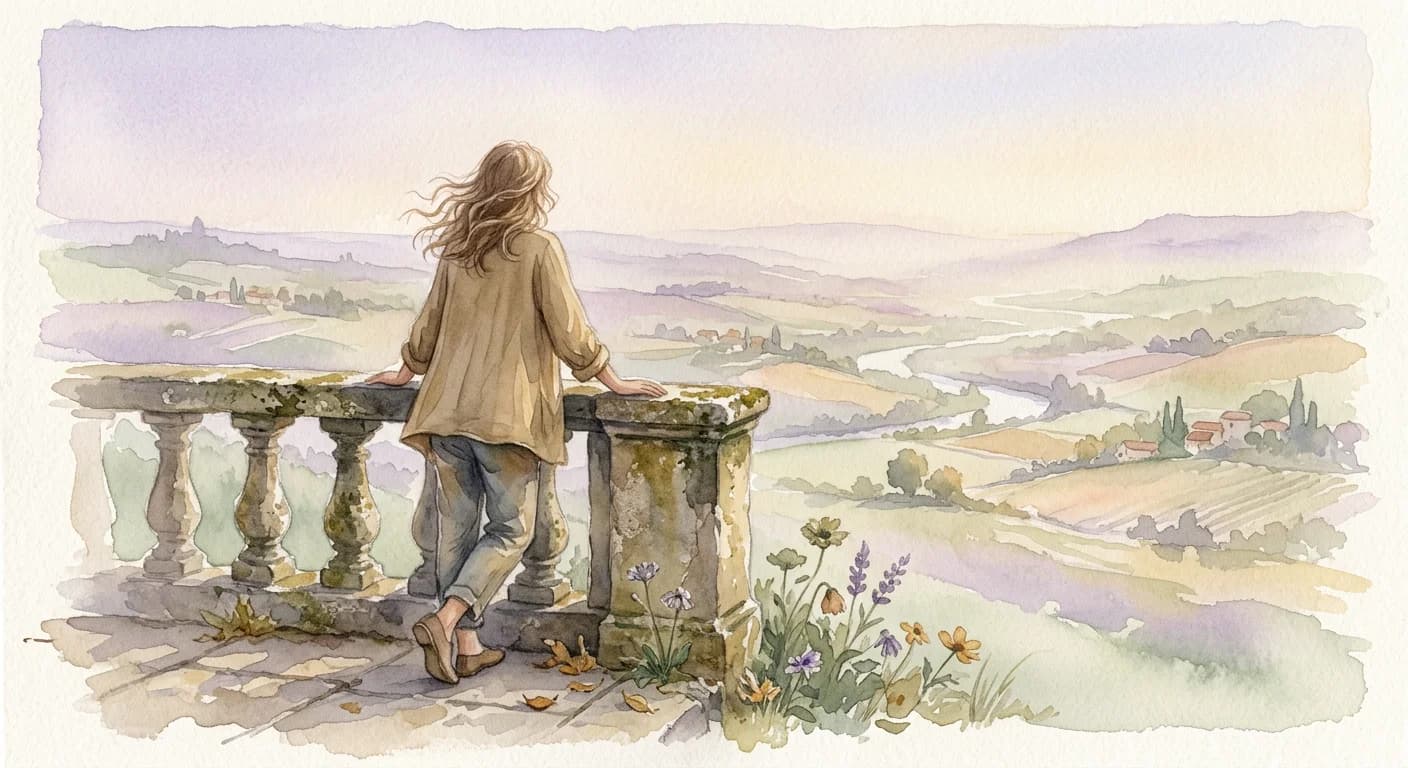
Désinvolte
/day-zan-vol-TAY/
Meaning
Désinvolte describes an individual who moves through life with an almost effortless grace, exhibiting a captivating blend of natural ease and a charming disregard for rigid social protocols. It signifies a sophisticated nonchalance, a self-assured demeanor that is neither arrogant nor careless, but rather stems from an inner confidence and comfort in one's own skin. This quality allows someone to navigate complex situations or social gatherings with a light touch, projecting an air of understated elegance and a delightful indifference to judgment.
Literal Translation
unconcerned, careless, nonchalant
The Story Behind the Word
The concept of 'désinvolte' is deeply rooted in French aristocratic and intellectual traditions, particularly from the 17th and 18th centuries, where 'honnête homme' (the honest, cultivated man) valued naturalness and effortless grace over ostentation. It reflects a societal appreciation for understated style and a rejection of overt effort or self-importance. This word reveals a French worldview that prizes inner poise and authenticity, suggesting that true elegance isn't something to be meticulously constructed, but rather flows from a relaxed, self-possessed spirit. It implies a certain freedom from societal pressures and a quiet confidence that allows one to be oneself without apology, a subtle rebellion against rigid formality.
Experience It
The Effortless Host
Amidst a bustling dinner party, the host, despite a minor kitchen mishap, simply smiles, makes a witty remark, and effortlessly redirects the conversation. His désinvolte attitude keeps everyone at ease, preventing any awkwardness from settling in.
Unfazed by Critique
During a tense board meeting, an executive receives sharp criticism on his proposal. Instead of flinching, he listens attentively, offers a calm counter-argument with a slight, knowing smile, embodying a désinvolte confidence that disarms his critics.
The Deeper Meaning
This word subtly champions a philosophy of being over doing, valuing an intrinsic state of grace and self-possession over external achievements or performances. It suggests that true sophistication lies in a cultivated inner freedom, a mindset that allows one to navigate life's complexities with an almost artistic detachment and an unwavering core of authenticity, prioritizing inner harmony over outward appearances.
Did You Know?
The word 'désinvolte' shares its Latin root, 'involutus' (enveloped, entangled), with 'involve,' suggesting a delightful 'un-entanglement' from concerns.
How It's Used
Used to describe someone's demeanor, attitude, or way of behaving, particularly in social settings or when facing challenges.