Niais
/NYAY/
Meaning
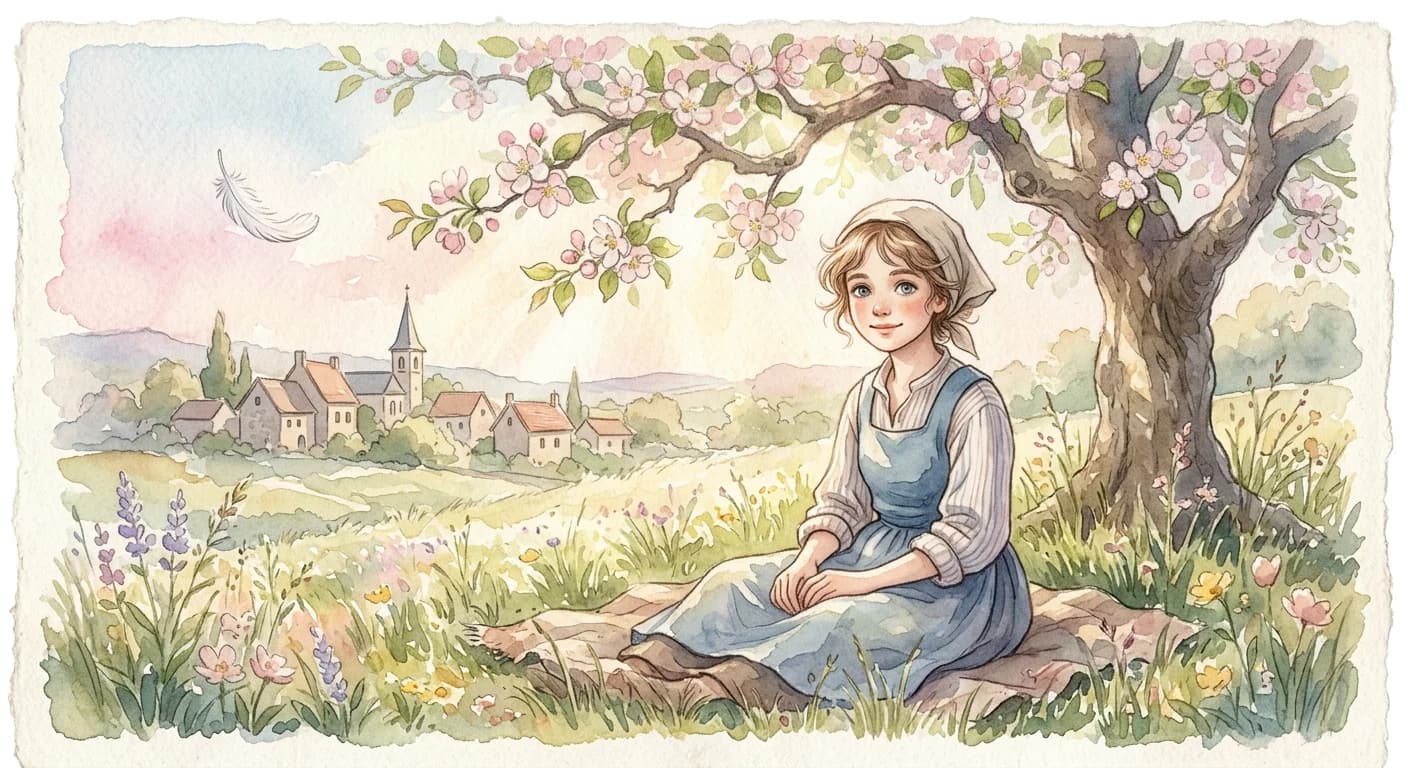
The French word 'niais' captures a delicate form of innocent foolishness, describing someone who is simple-minded or naive, often with an endearing, guileless quality. It suggests a lack of worldly cunning or a certain unworldliness that makes one susceptible to being easily deceived or misunderstood, yet without malice or true intellectual deficiency. This term highlights a gentle, almost sweet, absence of sharp intellect or cynicism, painting a picture of someone whose heart might be purer than their head is shrewd.
Literal Translation
simpleton, silly, naive
The Story Behind the Word
The term 'niais' has roots in Old French, stemming from 'nid' (nest), literally meaning 'newly hatched' or 'from the nest.' This etymology beautifully encapsulates its core meaning: a creature still unversed in the ways of the world, much like a fledgling bird. In French culture, there's a long-standing appreciation for wit and intellect, but also a recognition of the charm in simplicity. 'Niais' reflects a society that can acknowledge a lack of sophistication without necessarily condemning it, often viewing it with a mixture of amusement and protective affection. It speaks to a cultural understanding that not all folly is malicious or contemptible; some is merely a reflection of an unblemished nature, a quality that can be seen as both a vulnerability and a kind of purity. This nuance reveals a culture that values astuteness but also tolerates, and sometimes cherishes, a certain gentle naiveté, especially when it's devoid of pretense.
Experience It
The Overly Trusting Friend
Isabelle recounts how Jean-Luc fell for a clearly exaggerated story from a salesman, nodding along with wide, earnest eyes. "Il est tellement niais," she sighs with a fond smile, not out of anger, but a gentle exasperation at his perpetual belief in others' good intentions.
A Child's Innocent Question
Little Antoine asked his grandmother if the moon was made of cheese, completely serious. "Oh, mon petit niais," she chuckled softly, ruffling his hair, appreciating the sweet, unburdened simplicity of his curiosity rather than correcting him harshly.
The Deeper Meaning
The existence of 'niais' reflects a nuanced understanding of human intelligence and character. It suggests that wisdom isn't solely about sharp intellect or cunning, but also acknowledges a space for innocent simplicity, a state of being less corrupted by worldly complexities. This word subtly invites a philosophical reflection on the value of guilelessness in a world that often prizes shrewdness, hinting that sometimes, a gentler, less complicated mind holds its own unique, albeit vulnerable, charm.
Did You Know?
Historically, 'niais' was also a falconry term for a young bird taken from the nest before it could fly, making it easier to train but also less wild and cunning.
How It's Used
Used in everyday conversation to describe a person, often affectionately, who is perceived as simple or naive.