U.
HomeRegionsLanguagesEmotionsCollections
Find Your Word

“The limits of my language mean the limits of my world.”

— Ludwig Wittgenstein, Philosopher

Untranslatable

A curated collection of the world's most beautiful expressions—words that remind us language is humanity's greatest invention.

  • Home
  • Collections
  • Regions
  • Countries
  • Emotions
  • Tags
  • Contexts
  • Finder
  • Europe
  • Asia
  • Americas
  • Africa
  • Middle East
  • About
  • Contact
  • Privacy Policy
  • Terms of Service

2026 © Untranslatable. All rights reserved.

    /
    /
    1. Home
    2. /
    3. Europe
    4. /
    5. Rouspéter
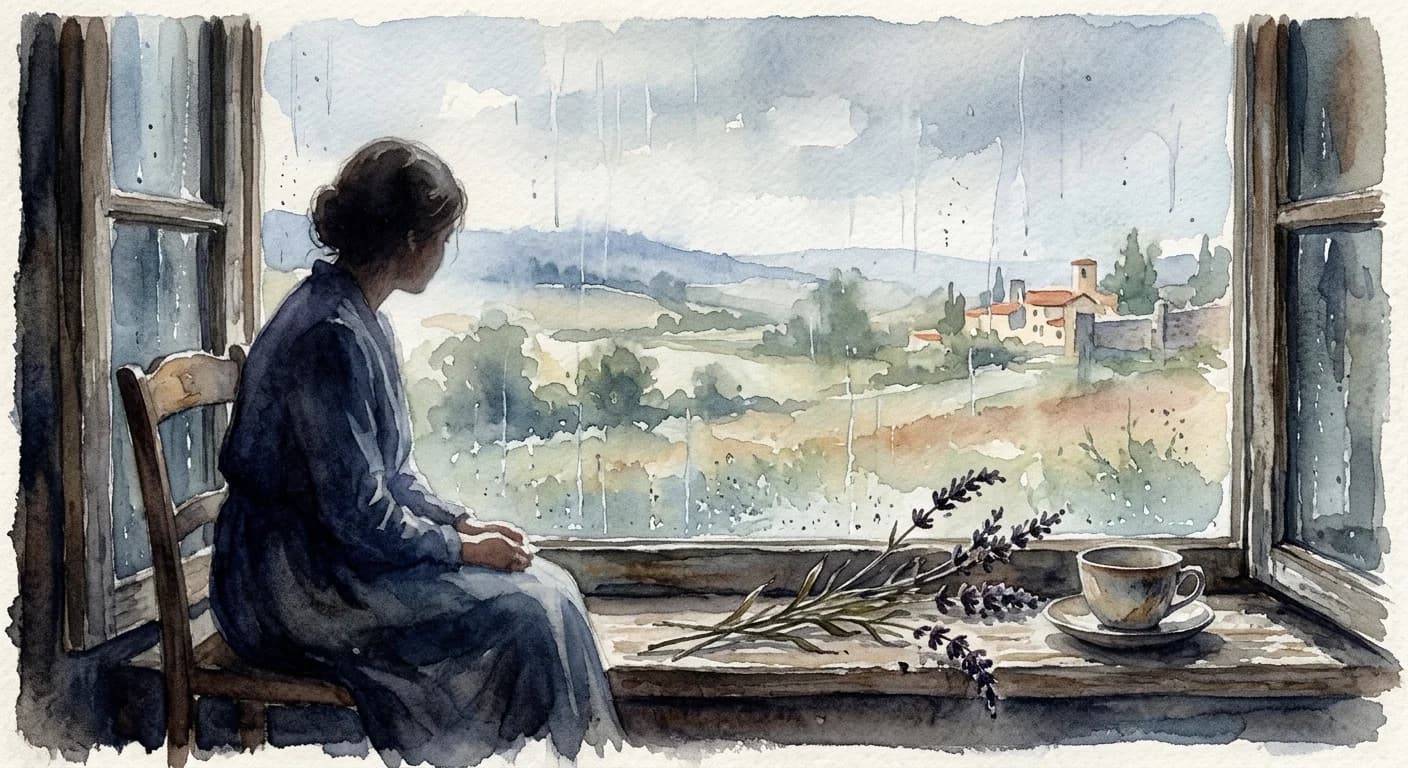
    Artistic representation of Rouspéter
    French•
    🇫🇷France

    Rouspéter

    /ROO-speh-tay/

    Meaning

    To 'rouspéter' is to engage in a distinctive French form of complaining – a low-level, persistent, and often vocal expression of dissatisfaction that falls short of outright anger. It's a continuous, murmuring discontent, often bordering on theatrical, directed at the minor irritations and perceived inefficiencies of daily life. This act doesn't necessarily seek resolution; rather, it serves as a resigned yet essential acknowledgment of life's imperfections, making one's presence and opinion known without direct confrontation.

    Literal Translation

    To grumble, to complain

    The Story Behind the Word

    The existence of 'rouspéter' speaks volumes about a certain French cultural emphasis on intellectual discourse and the right to critique, even if that critique is ultimately performative. It embodies a long-standing tradition of valuing critical thought and expressing one's perspective, without always expecting immediate change. This isn't just grumbling; it's a subtle assertion of individual autonomy against perceived bureaucratic inefficiency or social irritants. It reflects a societal comfort with expressing nuanced dissatisfaction, seeing it less as negativity and more as a form of engaging with the world, a subtle resistance against complacency. It underscores a collective understanding that life is imperfect, and vocalizing these imperfections, even mildly, is part of the human, and particularly French, condition.

    Experience It

    Cafe Queue Frustration

    Madame Dubois stood in the long bakery queue, muttering under her breath about the slow service and the rising price of baguettes. She wasn't yelling, but her sighs and soft complaints about 'ça n'avance pas' (it's not moving) were a clear example of rouspéter.

    Bureaucratic Paperwork

    Monsieur Bernard spent an hour filling out forms at the préfecture, occasionally shaking his head and sighing dramatically about the 'complexité administrative.' He knew it wouldn't change anything, but rouspéting made the process slightly more bearable.

    The Deeper Meaning

    This word reflects a philosophical stance that recognizes the inherent flaws in systems and daily life, advocating for a nuanced, often theatrical, acknowledgment of these imperfections. It suggests that expressing dissatisfaction, even without immediate hope for resolution, is a vital act of self-expression and intellectual engagement. 'Rouspéter' implies a tacit acceptance of life's irritations, coupled with a refusal to suffer them in silence, asserting a form of existential agency.

    Did You Know?

    Did you know 'rouspéter' might derive from an old French word for 'to snore' or 'to grunt like a pig,' highlighting its guttural, often non-verbal origins of discontent?

    How It's Used

    Used to describe a person who is habitually complaining or grumbling about minor issues, often in a slightly theatrical or resigned manner.

    Emotions
    acceptance,anger,melancholy
    Contexts
    daily life,family,work
    🇫🇷France

    by Annelise Dubois·Written Mar 10, 2026·Updated Apr 3, 2026

    Related Words

    Explore more
    HyggeDanish

    Hygge is more than mere coziness; it's a holistic embrace of comfort, warmth, and belonging that nourishes the soul. It describes the intentional creation of an intimate atmosphere where simple pleasures, genuine connection, and mindful presence converge, fostering a profound sense of contentment and well-being. It's about finding joy and peace in the small, everyday moments, often shared with loved ones.

    SaudadePortuguese

    Saudade encapsulates a profound, melancholic longing for something or someone cherished that is absent, often with the bittersweet knowledge that it may never return. It's a deep emotional state tinged with nostalgia, evoking a sense of loss for past experiences, places, or people, yet also holding a tender appreciation for the beauty of what once was. This yearning is not merely sadness, but a complex tapestry of desire, memory, and a poignant acceptance of absence, holding the beloved in a warm, persistent embrace within the heart.

    GezelligDutch

    Gezellig encapsulates a profound sense of warmth, belonging, and convivial comfort, extending beyond mere coziness to embrace the social and emotional atmosphere. It's the feeling of being truly at ease, surrounded by good company, laughter, and a shared sense of contentment. This untranslatable term describes not just a physical space, but a holistic experience where time seems to slow down, fostering genuine connection and a deep sense of well-being.

    Dolce far nienteItalian

    Dolce far niente captures the profound joy and effortless pleasure derived from simply existing without obligation or purpose. It's the art of savoring moments of pure, unadulterated idleness – lying in the sun, watching the clouds drift, or enjoying a leisurely coffee – not as a break from work, but as a valuable state in itself. This 'sweetness of doing nothing' is a conscious embrace of stillness and contentment, allowing the soul to breathe and the senses to fully engage with the present.