U.
HomeRegionsLanguagesEmotionsCollections
Find Your Word

“The limits of my language mean the limits of my world.”

— Ludwig Wittgenstein, Philosopher

Untranslatable

A curated collection of the world's most beautiful expressions—words that remind us language is humanity's greatest invention.

  • Home
  • Collections
  • Regions
  • Countries
  • Emotions
  • Tags
  • Contexts
  • Finder
  • Europe
  • Asia
  • Americas
  • Africa
  • Middle East
  • About
  • Contact
  • Privacy Policy
  • Terms of Service

2026 © Untranslatable. All rights reserved.

    /
    /
    1. Home
    2. /
    3. Europe
    4. /
    5. Quémander
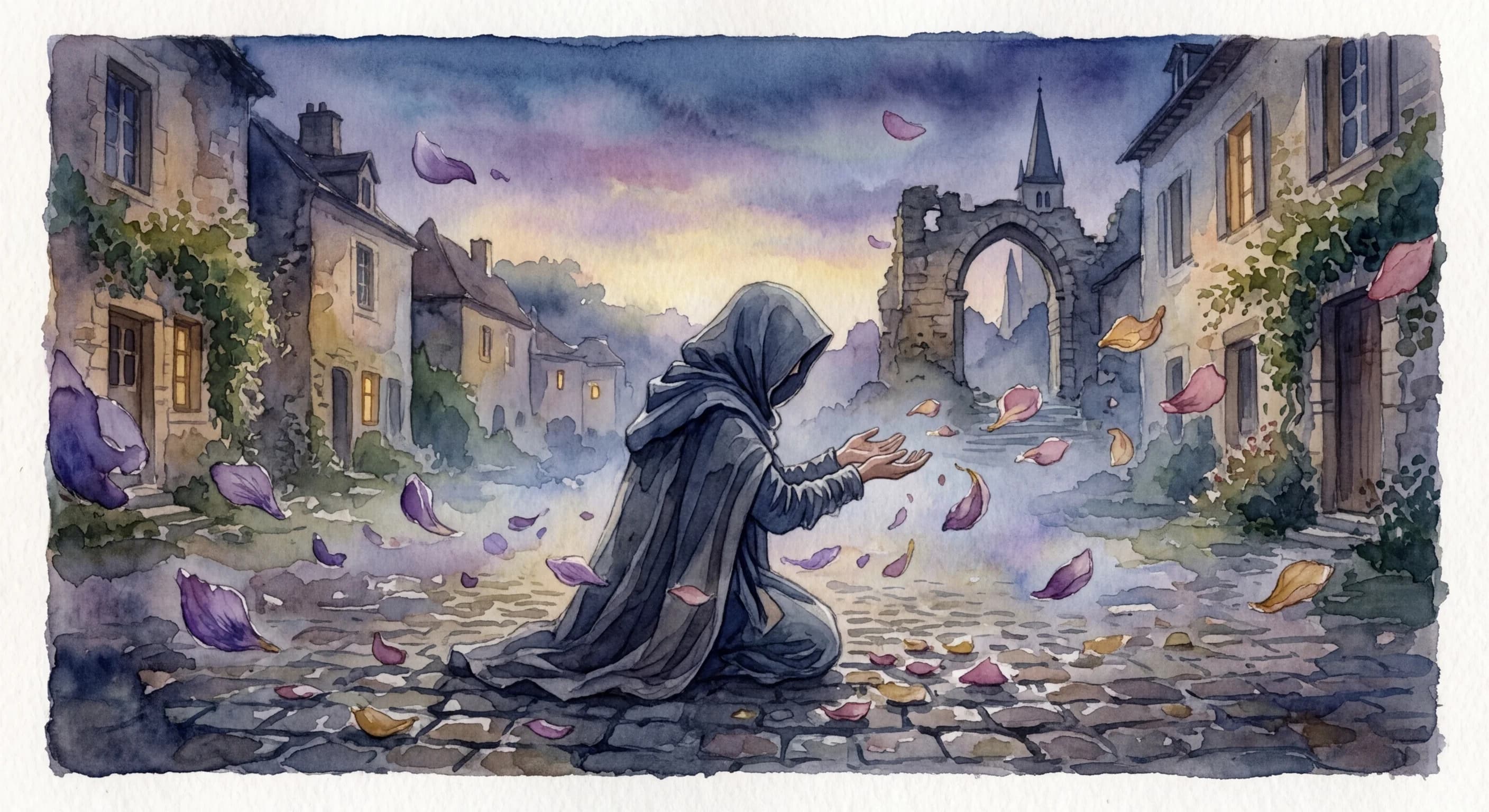
    Artistic representation of Quémander
    French•
    🇫🇷France

    Quémander

    /kem-AHN-day/

    Meaning

    To "quémander" describes the act of persistently soliciting something, often with a hint of theatricality or a display of vulnerability designed to elicit sympathy. It goes beyond a simple request, implying a more earnest, sometimes even importunate, plea for charity, a favor, or attention. This word captures a specific social dynamic where the supplicant's humble yet demanding posture creates a nuanced interaction, evoking both pity and a subtle discomfort in the recipient.

    Literal Translation

    to beg, to solicit

    The Story Behind the Word

    The existence of "quémander" in French reflects a cultural sensitivity to the nuances of social interaction, particularly concerning requests for aid or favors. French society often values a certain decorum and indirectness in such dealings, making the direct and persistent nature of "quémander" stand out. It highlights a tension between the individual's need and the social expectation of maintaining dignity, even in asking. This word points to a societal awareness of power dynamics and the subtle discomfort that can arise when one person must overtly humble themselves to another, revealing a culture that is acutely tuned to the unspoken rules and emotional undertones of social exchange. It's not just about asking, but about how one asks, and the social ripples that result.

    Experience It

    A Student's Plea

    After failing to meet the deadline, the student decided to "quémander" an extension from his professor, arriving with a woeful expression and a lengthy explanation of his recent misfortunes, hoping to sway her with a mix of pity and persistence.

    Street Musician's Appeal

    The old street musician didn't just play for money; he would often pause, look directly at passersby with a hopeful, almost pleading gaze, clearly "quémandant" a few coins to get through the day, his worn hat held out with a quiet desperation.

    The Deeper Meaning

    "Quémander" illuminates a fundamental human tension between autonomy and dependence. It reveals a worldview that acknowledges the necessity of relying on others while also recognizing the inherent vulnerability and potential loss of dignity in such a position. The word captures the complex ethical space where compassion meets the discomfort of being asked, reflecting a society deeply aware of the delicate balance in human reciprocity and the social cost of overt need.

    Did You Know?

    The word "quémander" likely derives from the Latin "clamare," meaning to cry out, underscoring its historical connection to vocal, often public, appeals for help.

    How It's Used

    Used to describe someone asking for money, help, or a favor in a persistent or pitiful way.

    Emotions
    compassion,longing,melancholy
    Contexts
    farewell,greeting,solitude
    🇫🇷France

    by Annelise Dubois·Written Mar 10, 2026·Updated Apr 3, 2026

    Related Words

    Explore more
    HyggeDanish

    Hygge is more than mere coziness; it's a holistic embrace of comfort, warmth, and belonging that nourishes the soul. It describes the intentional creation of an intimate atmosphere where simple pleasures, genuine connection, and mindful presence converge, fostering a profound sense of contentment and well-being. It's about finding joy and peace in the small, everyday moments, often shared with loved ones.

    SaudadePortuguese

    Saudade encapsulates a profound, melancholic longing for something or someone cherished that is absent, often with the bittersweet knowledge that it may never return. It's a deep emotional state tinged with nostalgia, evoking a sense of loss for past experiences, places, or people, yet also holding a tender appreciation for the beauty of what once was. This yearning is not merely sadness, but a complex tapestry of desire, memory, and a poignant acceptance of absence, holding the beloved in a warm, persistent embrace within the heart.

    GezelligDutch

    Gezellig encapsulates a profound sense of warmth, belonging, and convivial comfort, extending beyond mere coziness to embrace the social and emotional atmosphere. It's the feeling of being truly at ease, surrounded by good company, laughter, and a shared sense of contentment. This untranslatable term describes not just a physical space, but a holistic experience where time seems to slow down, fostering genuine connection and a deep sense of well-being.

    Dolce far nienteItalian

    Dolce far niente captures the profound joy and effortless pleasure derived from simply existing without obligation or purpose. It's the art of savoring moments of pure, unadulterated idleness – lying in the sun, watching the clouds drift, or enjoying a leisurely coffee – not as a break from work, but as a valuable state in itself. This 'sweetness of doing nothing' is a conscious embrace of stillness and contentment, allowing the soul to breathe and the senses to fully engage with the present.

    Featured in 1 collection

    💔Words for the Brokenhearted