U.
HomeRegionsLanguagesEmotionsCollections
Find Your Word

“The limits of my language mean the limits of my world.”

— Ludwig Wittgenstein, Philosopher

Untranslatable

A curated collection of the world's most beautiful expressions—words that remind us language is humanity's greatest invention.

  • Home
  • Collections
  • Regions
  • Countries
  • Emotions
  • Tags
  • Contexts
  • Finder
  • Europe
  • Asia
  • Americas
  • Africa
  • Middle East
  • About
  • Contact
  • Privacy Policy
  • Terms of Service

2026 © Untranslatable. All rights reserved.

    /
    /
    1. Home
    2. /
    3. Europe
    4. /
    5. L'arte di arrangiarsi
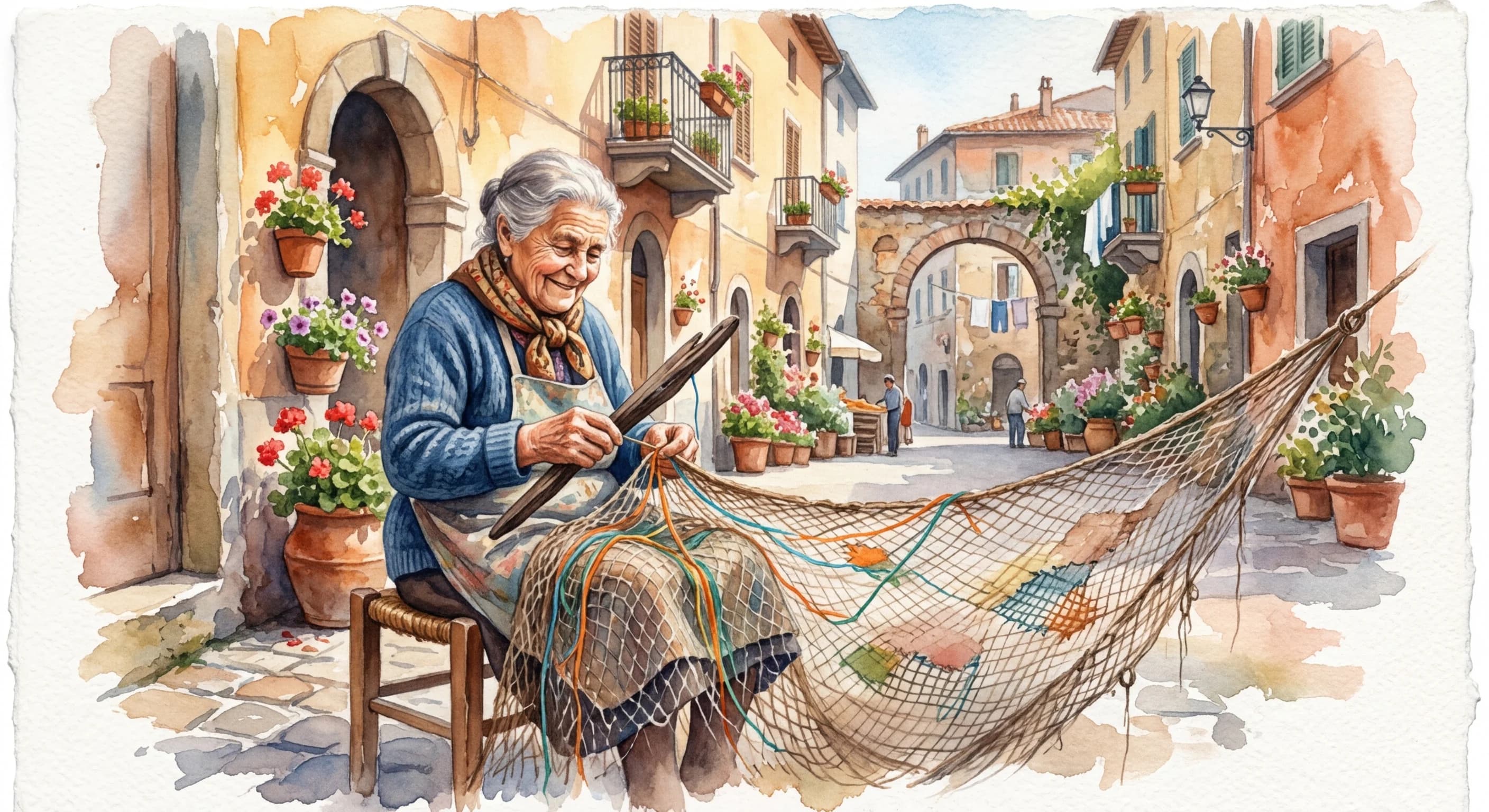
    Artistic representation of L'arte di arrangiarsi
    Italian•
    🇮🇹Italy

    L'arte di arrangiarsi

    /LAHR-teh dee ahr-ran-JAH-rsee/

    Meaning

    L'arte di arrangiarsi is the quintessentially Italian knack for navigating life's inevitable hurdles with ingenious improvisation and a spirited resourcefulness. It’s the ability to creatively 'make do' with limited means, transforming unexpected challenges into opportunities through quick thinking and a charming, often theatrical, flair. This deep-seated resilience reflects a proactive, almost playful approach to problem-solving, where inventiveness triumphs over scarcity, embodying a practical wisdom honed by generations.

    Literal Translation

    The art of arranging oneself

    The Story Behind the Word

    This phrase is deeply rooted in Italy's long history of regional diversity, economic fluctuations, and periods of scarcity, particularly after wars or in less industrialized areas. It speaks to a collective memory of needing to be self-sufficient and adaptable. The philosophy behind it is not one of resignation, but of active engagement and creative defiance against limitations. It reveals a culture that values human ingenuity, flexibility, and a certain 'sprezzatura' – effortless grace – even in the face of adversity. This art form is passed down through families, a celebrated trait that fosters independence and a unique perspective on problem-solving, where the 'rules' are often cleverly bent, not broken, to achieve a desired outcome.

    Experience It

    Unexpected Dinner Guests

    Maria has six unexpected guests for dinner, but only enough pasta for four. Instead of panicking, she quickly whips up a 'frittata di pasta' with leftover ingredients, adding a fresh salad and a charming story about Italian hospitality. Everyone leaves full and impressed by her resourcefulness.

    Broken Washing Machine

    Giovanni's washing machine breaks down just before a big family event, and he can't afford a new one right away. He remembers an old trick, manually washing clothes in the bathtub and using a makeshift clothesline across his living room, all while humming a cheerful tune. His clothes are clean, and he saved money.

    The Deeper Meaning

    L'arte di arrangiarsi embodies a profound philosophical outlook that views life's obstacles not as insurmountable barriers, but as creative prompts. It suggests that true mastery lies not in avoiding problems, but in developing the agile mind and spirit to transform them. This worldview celebrates human agency and the belief that ingenuity, charm, and a touch of courage can always find a way, fostering an optimistic resilience in the face of uncertainty.

    Did You Know?

    The concept of 'l'arte di arrangiarsi' is so ingrained that it's often cited as a key factor in the success of Italian small businesses and artisans, who constantly innovate with limited resources.

    How It's Used

    Used to describe someone's talent for improvisation, resourcefulness, and clever problem-solving in everyday life, especially when facing constraints or unexpected difficulties.

    Emotions
    contentment,gratitude,warmth
    Contexts
    family,travel,work
    🇮🇹Italy

    by Annelise Dubois·Written Mar 10, 2026·Updated Apr 3, 2026

    Related Words

    Explore more
    HyggeDanish

    Hygge is more than mere coziness; it's a holistic embrace of comfort, warmth, and belonging that nourishes the soul. It describes the intentional creation of an intimate atmosphere where simple pleasures, genuine connection, and mindful presence converge, fostering a profound sense of contentment and well-being. It's about finding joy and peace in the small, everyday moments, often shared with loved ones.

    SaudadePortuguese

    Saudade encapsulates a profound, melancholic longing for something or someone cherished that is absent, often with the bittersweet knowledge that it may never return. It's a deep emotional state tinged with nostalgia, evoking a sense of loss for past experiences, places, or people, yet also holding a tender appreciation for the beauty of what once was. This yearning is not merely sadness, but a complex tapestry of desire, memory, and a poignant acceptance of absence, holding the beloved in a warm, persistent embrace within the heart.

    GezelligDutch

    Gezellig encapsulates a profound sense of warmth, belonging, and convivial comfort, extending beyond mere coziness to embrace the social and emotional atmosphere. It's the feeling of being truly at ease, surrounded by good company, laughter, and a shared sense of contentment. This untranslatable term describes not just a physical space, but a holistic experience where time seems to slow down, fostering genuine connection and a deep sense of well-being.

    Dolce far nienteItalian

    Dolce far niente captures the profound joy and effortless pleasure derived from simply existing without obligation or purpose. It's the art of savoring moments of pure, unadulterated idleness – lying in the sun, watching the clouds drift, or enjoying a leisurely coffee – not as a break from work, but as a valuable state in itself. This 'sweetness of doing nothing' is a conscious embrace of stillness and contentment, allowing the soul to breathe and the senses to fully engage with the present.