U.
HomeRegionsLanguagesEmotionsCollections
Find Your Word

“The limits of my language mean the limits of my world.”

— Ludwig Wittgenstein, Philosopher

Untranslatable

A curated collection of the world's most beautiful expressions—words that remind us language is humanity's greatest invention.

  • Home
  • Collections
  • Regions
  • Countries
  • Emotions
  • Tags
  • Contexts
  • Finder
  • Europe
  • Asia
  • Americas
  • Africa
  • Middle East
  • About
  • Contact
  • Privacy Policy
  • Terms of Service

2026 © Untranslatable. All rights reserved.

    /
    /
    1. Home
    2. /
    3. Europe
    4. /
    5. Tirare a campare
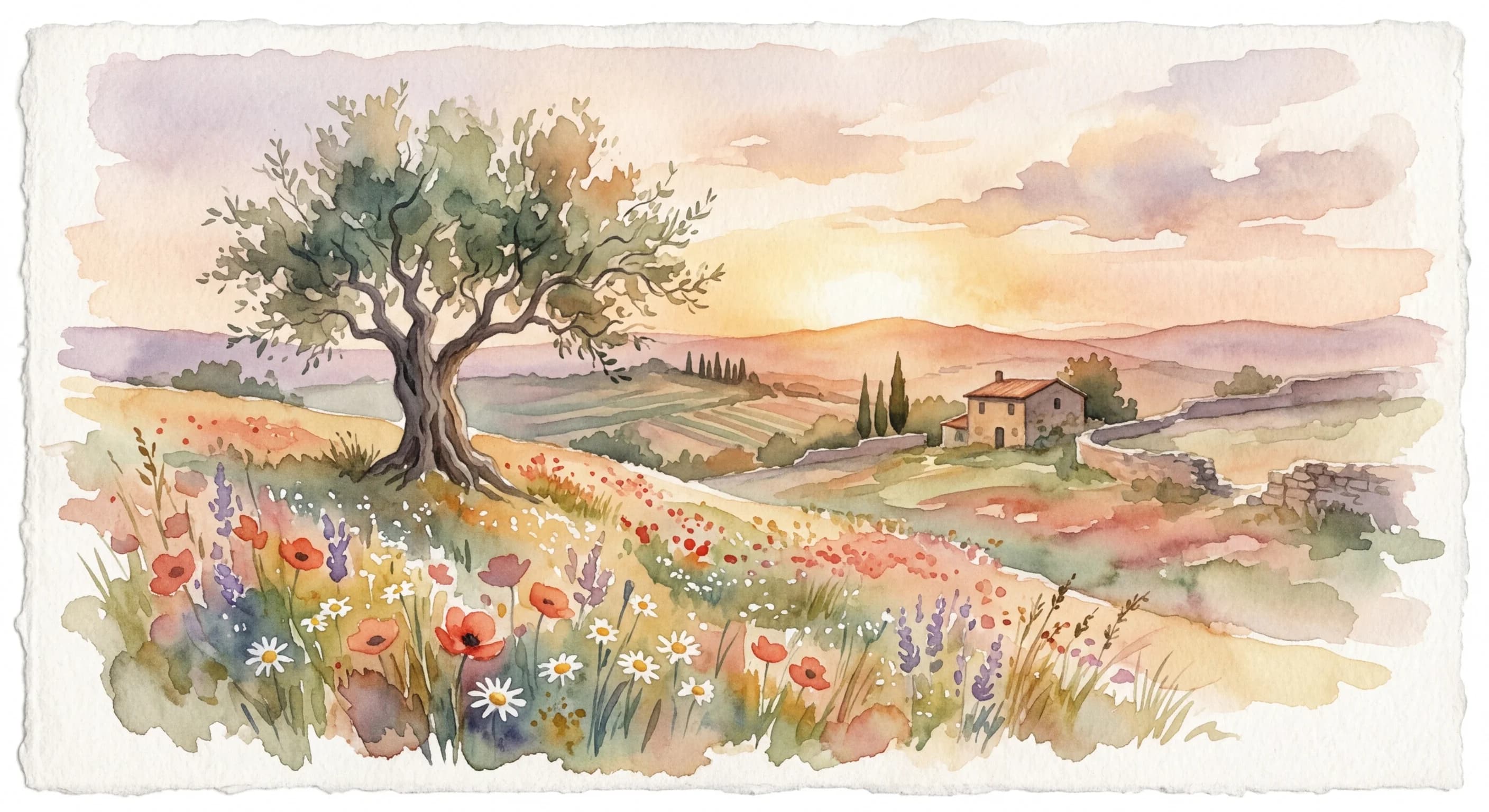
    Artistic representation of Tirare a campare
    Italian•
    🇮🇹Italy

    Tirare a campare

    /tee-RAH-reh ah kahm-PAH-reh/

    Meaning

    This Italian idiom encapsulates the gritty reality of 'making do' or 'getting by' in life, especially when resources are scarce and challenges loom large. It signifies a persistent, often understated, struggle for mere existence, where the primary objective isn't grand success but simply to endure another day. It speaks to a deeply ingrained resilience, a pragmatic spirit that finds quiet dignity in the daily act of continuation, often through improvisation and hard work, accepting that life's journey is frequently an uphill battle.

    Literal Translation

    To pull to live/survive

    The Story Behind the Word

    The phrase 'tirare a campare' resonates deeply with Italy's historical experiences, marked by periods of economic hardship, war, and social instability. From the agrarian struggles of post-unification Italy to the economic booms and busts of the 20th century, many Italians have known what it means to live on the margins. This idiom reflects a cultural perspective that values resilience, adaptability, and the ability to find solutions with limited means. It's not about ambition or striving for wealth, but about the fundamental human drive to survive and maintain one's dignity amidst adversity. It acknowledges that life is often difficult, and there's an inherent respect for those who navigate its challenges with perseverance, even if their efforts don't lead to overt success. It also subtly critiques a society where such a struggle is often necessary.

    Experience It

    The Artisan's Struggle

    Marco, a skilled shoemaker, sees fewer customers each year. He 'tira a campare' by repairing old shoes, sometimes crafting new ones from salvaged leather, and occasionally selling small handmade trinkets. His workshop is humble, but he keeps his family fed and his craft alive through sheer determination.

    Student Life in the City

    Sofia moved to Milan for university, far from her family's support. She 'tira a campare' on a tight budget, working odd jobs, cooking simple meals, and sharing a tiny apartment with several roommates. Her dream is big, but her daily reality is a constant exercise in resourcefulness.

    The Deeper Meaning

    This phrase embodies a pragmatic philosophy that acknowledges life's inherent difficulties and the necessity of endurance over grand aspiration for many. It suggests a deep respect for those who navigate hardship with resilience and resourcefulness, finding value not in material success but in the sheer act of persistence. It's a testament to the quiet dignity of survival and the belief that simply 'making it through' is a worthy achievement in itself.

    Did You Know?

    The 'tirare' (to pull) in the idiom might evoke the image of a draft animal pulling a cart, symbolizing the constant effort required to keep life moving forward.

    How It's Used

    Used to describe someone's efforts to survive or make a living, especially when it's a struggle or involves improvisation.

    Emotions
    contentment,hope,resilience
    Contexts
    daily life,work
    🇮🇹Italy

    by Sofia Rossi·Written Mar 10, 2026·Updated Apr 3, 2026

    Related Words

    Explore more
    HyggeDanish

    Hygge is more than mere coziness; it's a holistic embrace of comfort, warmth, and belonging that nourishes the soul. It describes the intentional creation of an intimate atmosphere where simple pleasures, genuine connection, and mindful presence converge, fostering a profound sense of contentment and well-being. It's about finding joy and peace in the small, everyday moments, often shared with loved ones.

    SaudadePortuguese

    Saudade encapsulates a profound, melancholic longing for something or someone cherished that is absent, often with the bittersweet knowledge that it may never return. It's a deep emotional state tinged with nostalgia, evoking a sense of loss for past experiences, places, or people, yet also holding a tender appreciation for the beauty of what once was. This yearning is not merely sadness, but a complex tapestry of desire, memory, and a poignant acceptance of absence, holding the beloved in a warm, persistent embrace within the heart.

    GezelligDutch

    Gezellig encapsulates a profound sense of warmth, belonging, and convivial comfort, extending beyond mere coziness to embrace the social and emotional atmosphere. It's the feeling of being truly at ease, surrounded by good company, laughter, and a shared sense of contentment. This untranslatable term describes not just a physical space, but a holistic experience where time seems to slow down, fostering genuine connection and a deep sense of well-being.

    Dolce far nienteItalian

    Dolce far niente captures the profound joy and effortless pleasure derived from simply existing without obligation or purpose. It's the art of savoring moments of pure, unadulterated idleness – lying in the sun, watching the clouds drift, or enjoying a leisurely coffee – not as a break from work, but as a valuable state in itself. This 'sweetness of doing nothing' is a conscious embrace of stillness and contentment, allowing the soul to breathe and the senses to fully engage with the present.

    Featured in 2 collections

    💪Words of Resilience🧭Finding Your Purpose