U.
HomeRegionsLanguagesEmotionsCollections
Find Your Word

“The limits of my language mean the limits of my world.”

— Ludwig Wittgenstein, Philosopher

Untranslatable

A curated collection of the world's most beautiful expressions—words that remind us language is humanity's greatest invention.

  • Home
  • Collections
  • Regions
  • Countries
  • Emotions
  • Tags
  • Contexts
  • Finder
  • Europe
  • Asia
  • Americas
  • Africa
  • Middle East
  • About
  • Contact
  • Privacy Policy
  • Terms of Service

2026 © Untranslatable. All rights reserved.

    /
    /
    1. Home
    2. /
    3. Europe
    4. /
    5. Farsi bello
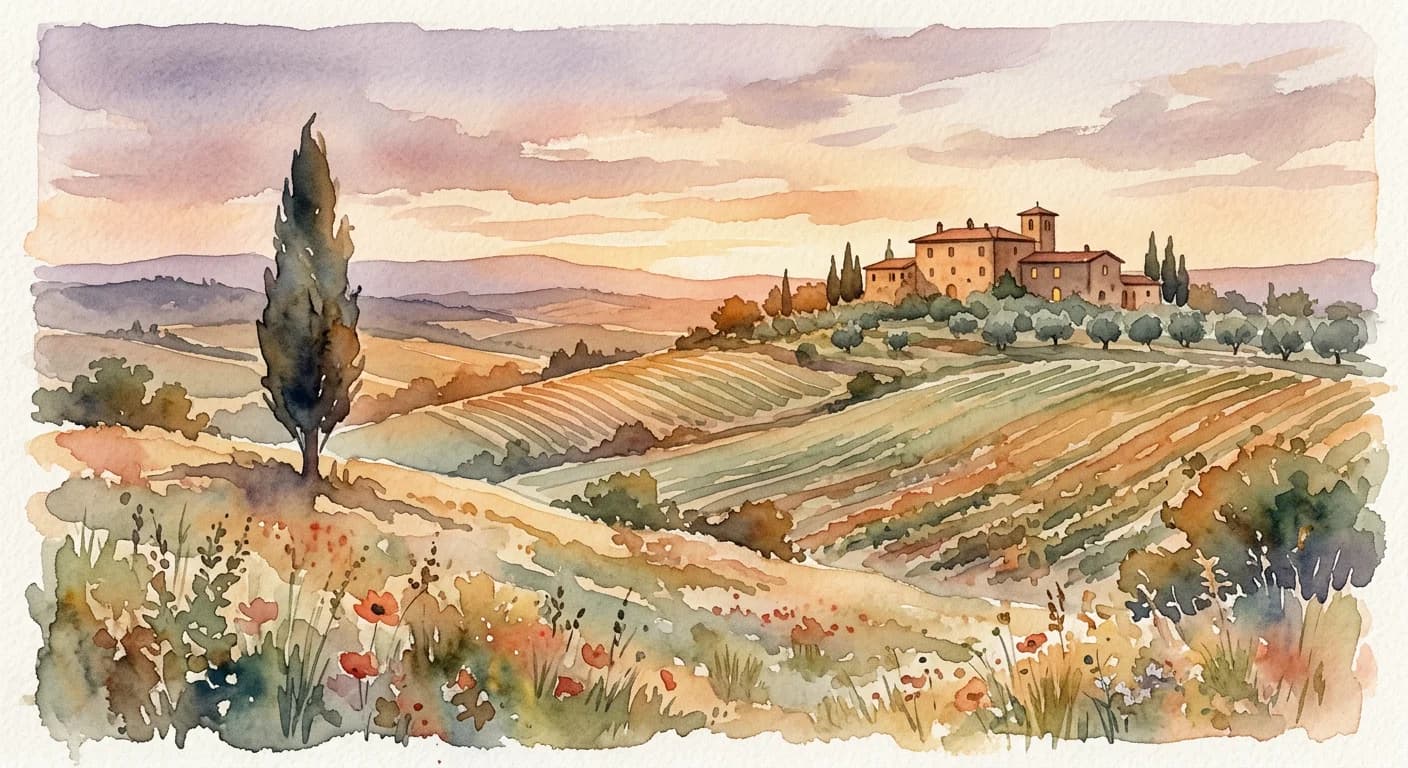
    Artistic representation of Farsi bello
    Italian•
    🇮🇹Italy

    Farsi bello

    /FAHR-see BEL-loh/

    Meaning

    This phrase transcends mere superficial prettiness, encapsulating an aesthetic appreciation for something imbued with an inherent charm and allure. It speaks to a natural, effortless attractiveness that feels deeply genuine and captivating, often manifesting as a delightful presence. To describe something as 'farsi bello' is to acknowledge its intrinsic desirability and the pleasing, almost magnetic effect it has on the observer, frequently accompanied by a warm, playful admiration that recognizes its authentic appeal.

    Literal Translation

    Make beautiful

    The Story Behind the Word

    The concept of 'farsi bello' is deeply rooted in Italian culture's pervasive appreciation for beauty, not just as an external veneer, but as an integral part of life's fabric – 'la bella figura.' It reflects a society that values grace, presentation, and the art of living well, where even everyday objects or moments can possess an undeniable charm if they are well-composed or naturally pleasing. This isn't about vanity, but a recognition of inherent elegance and the joy it brings. It speaks to a worldview where the aesthetic experience is paramount, and true beauty is something that emanates from within, rather than being artificially applied. This cultural emphasis on 'bello' extends beyond appearance to the way one conducts themselves, creating an overall impression of attractiveness and desirability.

    Experience It

    A Charming Old Town

    Wandering through a small Tuscan village, Isabella remarked, 'Guarda come si fa bello questo borgo con i fiori alle finestre!' (Look how charming this village makes itself with the flowers in the windows!) The ancient stone walls, adorned with vibrant geraniums, didn't just look nice; they exuded an authentic, welcoming beauty that felt perfectly natural.

    Effortless Elegance

    At the café, Marco watched a woman pass by. She wasn't dressed elaborately, but her scarf draped just so, and her confident smile made him think, 'Mamma mia, come si fa bella!' Her attractiveness wasn't about flashy fashion, but a self-assured grace that made her truly captivating.

    The Deeper Meaning

    This phrase reveals a deeply humanistic and aesthetic philosophy, where beauty is not merely observed but actively 'made' or presented, often with an effortless grace. It suggests that attractiveness can be cultivated and appreciated as an art form in daily life, reflecting a belief in the inherent value of elegance and charm. It underscores a worldview where beauty is a source of joy and a fundamental aspect of a well-lived existence, extending beyond the purely functional to the deeply aesthetic.

    How It's Used

    Used to describe people, objects, or even situations that are perceived as attractive, charming, or pleasing in a way that feels natural and appealing.

    Emotions
    belonging,joy,warmth
    Contexts
    dining,greeting,romance
    🇮🇹Italy

    by Sofia Rossi·Written Mar 10, 2026·Updated Apr 3, 2026

    Related Words

    Explore more
    HyggeDanish

    Hygge is more than mere coziness; it's a holistic embrace of comfort, warmth, and belonging that nourishes the soul. It describes the intentional creation of an intimate atmosphere where simple pleasures, genuine connection, and mindful presence converge, fostering a profound sense of contentment and well-being. It's about finding joy and peace in the small, everyday moments, often shared with loved ones.

    SaudadePortuguese

    Saudade encapsulates a profound, melancholic longing for something or someone cherished that is absent, often with the bittersweet knowledge that it may never return. It's a deep emotional state tinged with nostalgia, evoking a sense of loss for past experiences, places, or people, yet also holding a tender appreciation for the beauty of what once was. This yearning is not merely sadness, but a complex tapestry of desire, memory, and a poignant acceptance of absence, holding the beloved in a warm, persistent embrace within the heart.

    GezelligDutch

    Gezellig encapsulates a profound sense of warmth, belonging, and convivial comfort, extending beyond mere coziness to embrace the social and emotional atmosphere. It's the feeling of being truly at ease, surrounded by good company, laughter, and a shared sense of contentment. This untranslatable term describes not just a physical space, but a holistic experience where time seems to slow down, fostering genuine connection and a deep sense of well-being.

    Dolce far nienteItalian

    Dolce far niente captures the profound joy and effortless pleasure derived from simply existing without obligation or purpose. It's the art of savoring moments of pure, unadulterated idleness – lying in the sun, watching the clouds drift, or enjoying a leisurely coffee – not as a break from work, but as a valuable state in itself. This 'sweetness of doing nothing' is a conscious embrace of stillness and contentment, allowing the soul to breathe and the senses to fully engage with the present.