Kaimos
/KAI-mos/
Meaning
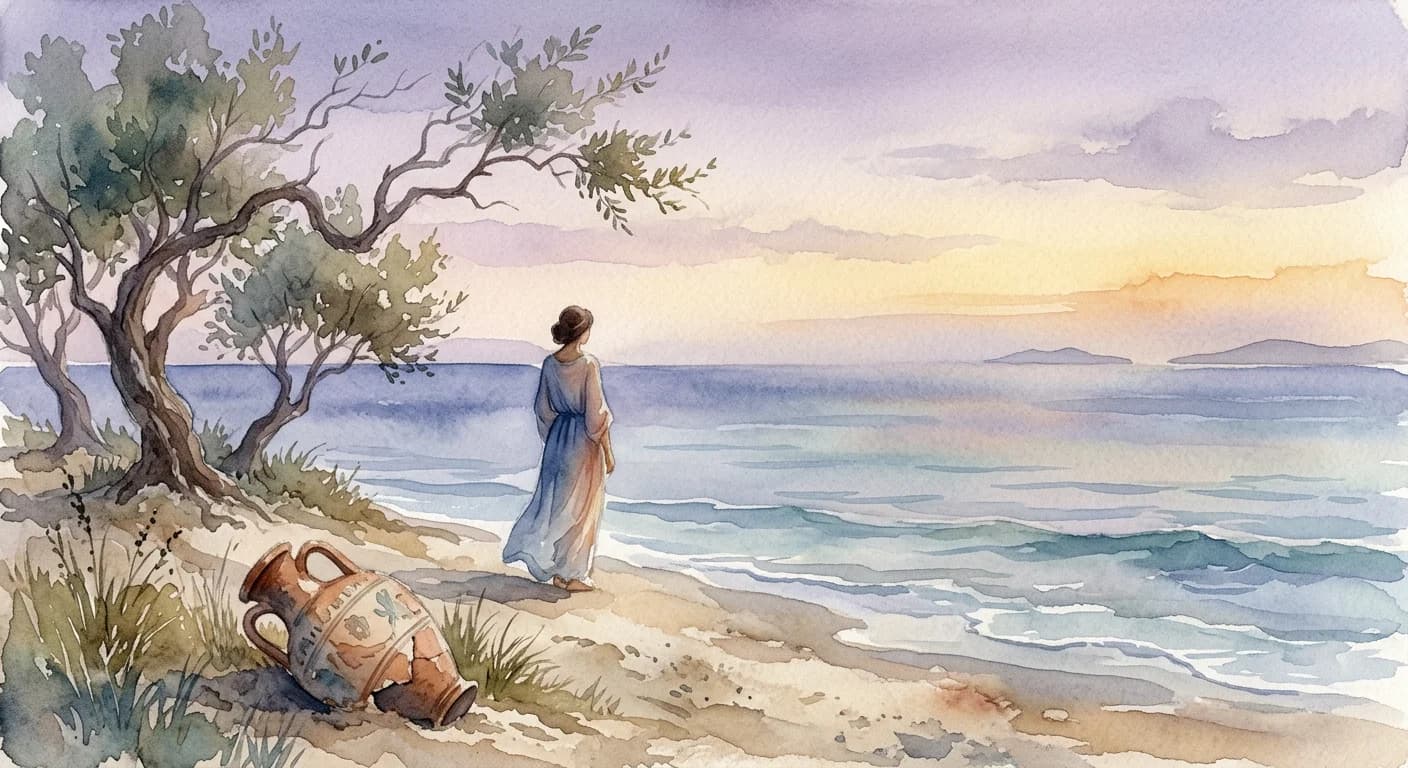
Kaimos describes a profound and pervasive melancholy, a deep-seated sadness that extends beyond mere grief to encompass a yearning for the irretrievable. It is an existential ache, a longing for something lost, whether it be a cherished past, a distant homeland, or an unfulfilled dream. This feeling imbues one's perception with a persistent shade of sorrow, a poignant awareness of life's transient nature and the pain of separation.
Literal Translation
sadness, grief, sorrow
The Story Behind the Word
The concept of "kaimos" is deeply embedded in the Greek psyche, reflecting a people who have endured centuries of foreign occupation, migration, and the constant ebb and flow of fortune. It speaks to a collective historical memory of loss and displacement, where longing for what was, or what could have been, becomes a defining emotional landscape. This isn't just personal sadness; it's often tied to a broader sense of national or communal suffering, a wistful remembrance of past glories or a yearning for a more idealized existence. The resilience of the Greek people, often expressed through art, music (especially Rebetiko), and literature, frequently carries this undercurrent of 'kaimos,' transforming personal sorrow into a shared, almost spiritual experience.
Experience It
Elderly Immigrant's Kaimos
An elderly Greek immigrant sits by the window, gazing at the unfamiliar cityscape. He feels a deep kaimos, a profound longing for the sun-drenched olive groves of his youth and the voices of family members now long gone, knowing he can never truly return to that time or place.
Artist's Unfulfilled Dream
The struggling artist looks at her unfinished canvas, a sense of kaimos washing over her. She yearns for the recognition and success that feel perpetually out of reach, a bittersweet sorrow for the artistic future she envisioned but has yet to attain.
The Deeper Meaning
Kaimos reflects a worldview that acknowledges the inherent impermanence of life and the inevitability of loss. It suggests that profound sadness is not merely an absence of joy, but a deep, often beautiful, recognition of what it means to be human—to yearn, to remember, and to carry the weight of what is gone or unattainable. It highlights the Greek emphasis on emotional depth and the acceptance of life's bittersweet complexities.
Did You Know?
Kaimos is often a central theme in Greek folk music, particularly in "Rebetiko" songs, where it expresses the pain of exile, lost love, and social marginalization.
How It's Used
Used to describe a deep, often melancholic sadness or longing, particularly for something lost or unattainable.