Thalassa
/tha-LAH-sa/
Meaning
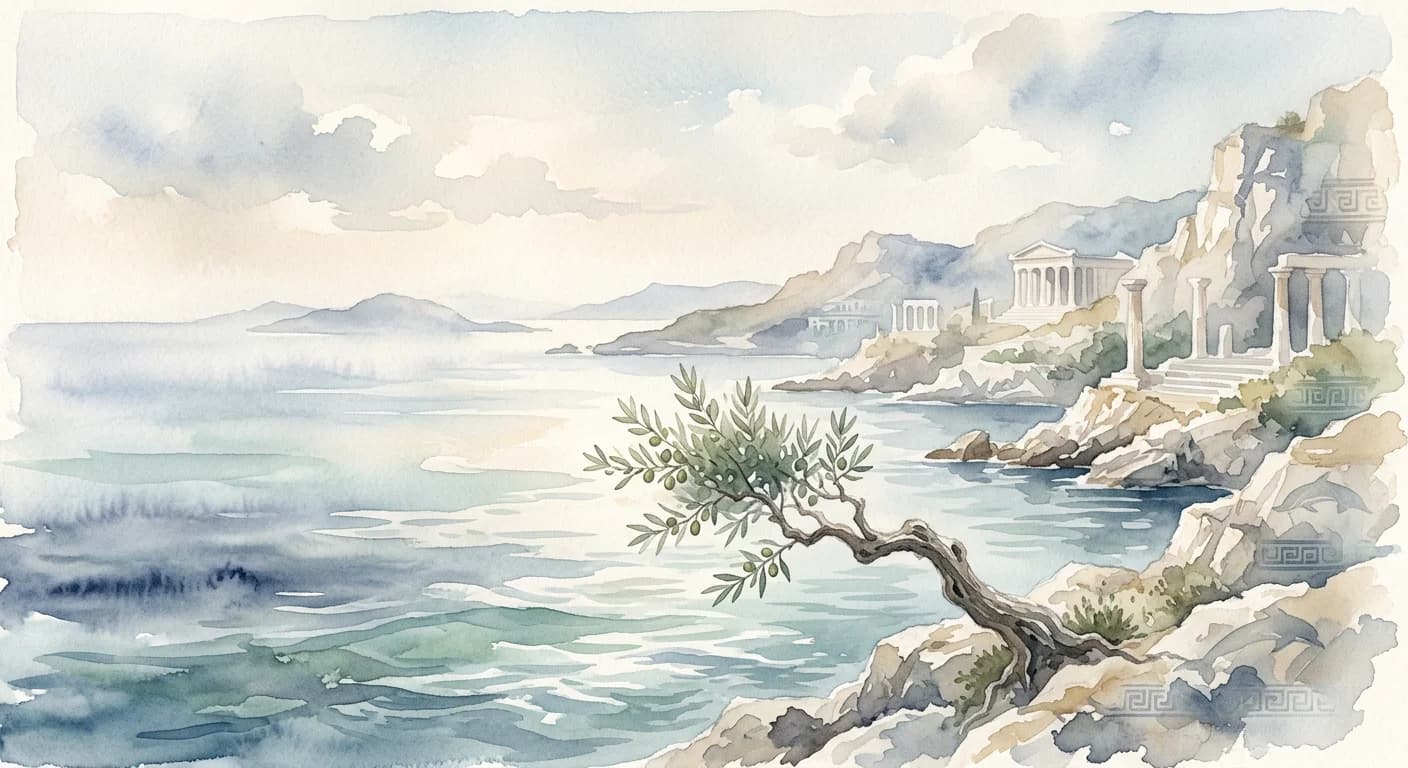
Thalassa is more than just 'the sea'; it is the primordial, living entity that cradles the Greek world, a vast and capricious force intrinsically woven into the very fabric of Hellenic identity. It embodies the shimmering expanse of the Aegean, the lifeblood of trade and connection, a source of sustenance, and simultaneously, the terrifying abyss that swallows ships and dreams. This word encapsulates a profound, almost spiritual reverence for the water that shaped their myths, their history, and their very perception of existence.
Literal Translation
sea
The Story Behind the Word
The existence of 'Thalassa' as a concept rather than merely a geographic feature stems from Greece's deep maritime heritage. For ancient Greeks, surrounded by countless islands and a vast coastline, the sea was not an external element but an inextricable part of life, religion, and philosophy. It was the pathway to new lands, the battleground of heroes, and the source of both divine blessings and furious wrath. This intimate relationship fostered a worldview where nature, particularly the sea, was seen as animate, powerful, and capable of influencing human destiny, rather than a passive resource. The sea's unpredictable nature mirrored the capricious gods and the challenges of human life, making 'Thalassa' a symbol of both opportunity and existential peril.
Experience It
A Sailor's Homage
Before setting sail for distant shores, the grizzled captain pours a libation into the waves. 'To Thalassa, who holds our fate,' he murmurs, his eyes scanning the horizon, a blend of respect and trepidation etched on his weathered face. He knows her moods dictate their very survival.
Mythological Birth
The poet recounts the birth of Aphrodite, rising from the foam of Thalassa, radiant and divine. The audience envisions the goddess emerging from the shimmering, boundless waters, a testament to the sea's generative power and its central role in their cosmic narratives.
The Deeper Meaning
The concept of Thalassa reveals a deep ecological consciousness in ancient Greek thought, where humanity was not separate from nature but deeply interconnected with it. It speaks to a worldview that recognized and respected the immense power of the natural world, understanding that human endeavors were always subject to its whims. This fosters a sense of humility and an acceptance of forces beyond human control, a fundamental aspect of their tragic worldview.
Did You Know?
In Greek mythology, Thalassa was also personified as a primordial goddess of the sea, often depicted as a woman rising from the waves, sometimes with crab-claw horns and seaweed for hair.
How It's Used
Used in classical Greek literature, poetry, and philosophy to refer to the sea, often personified or imbued with divine qualities. It continues to be used in modern Greek and in academic contexts referencing ancient Greece.