U.
HomeRegionsLanguagesEmotionsCollections
Find Your Word

“The limits of my language mean the limits of my world.”

— Ludwig Wittgenstein, Philosopher

Untranslatable

A curated collection of the world's most beautiful expressions—words that remind us language is humanity's greatest invention.

  • Home
  • Collections
  • Regions
  • Countries
  • Emotions
  • Tags
  • Contexts
  • Finder
  • Europe
  • Asia
  • Americas
  • Africa
  • Middle East
  • About
  • Contact
  • Privacy Policy
  • Terms of Service

2026 © Untranslatable. All rights reserved.

    /
    /
    1. Home
    2. /
    3. Europe
    4. /
    5. Filoxenia
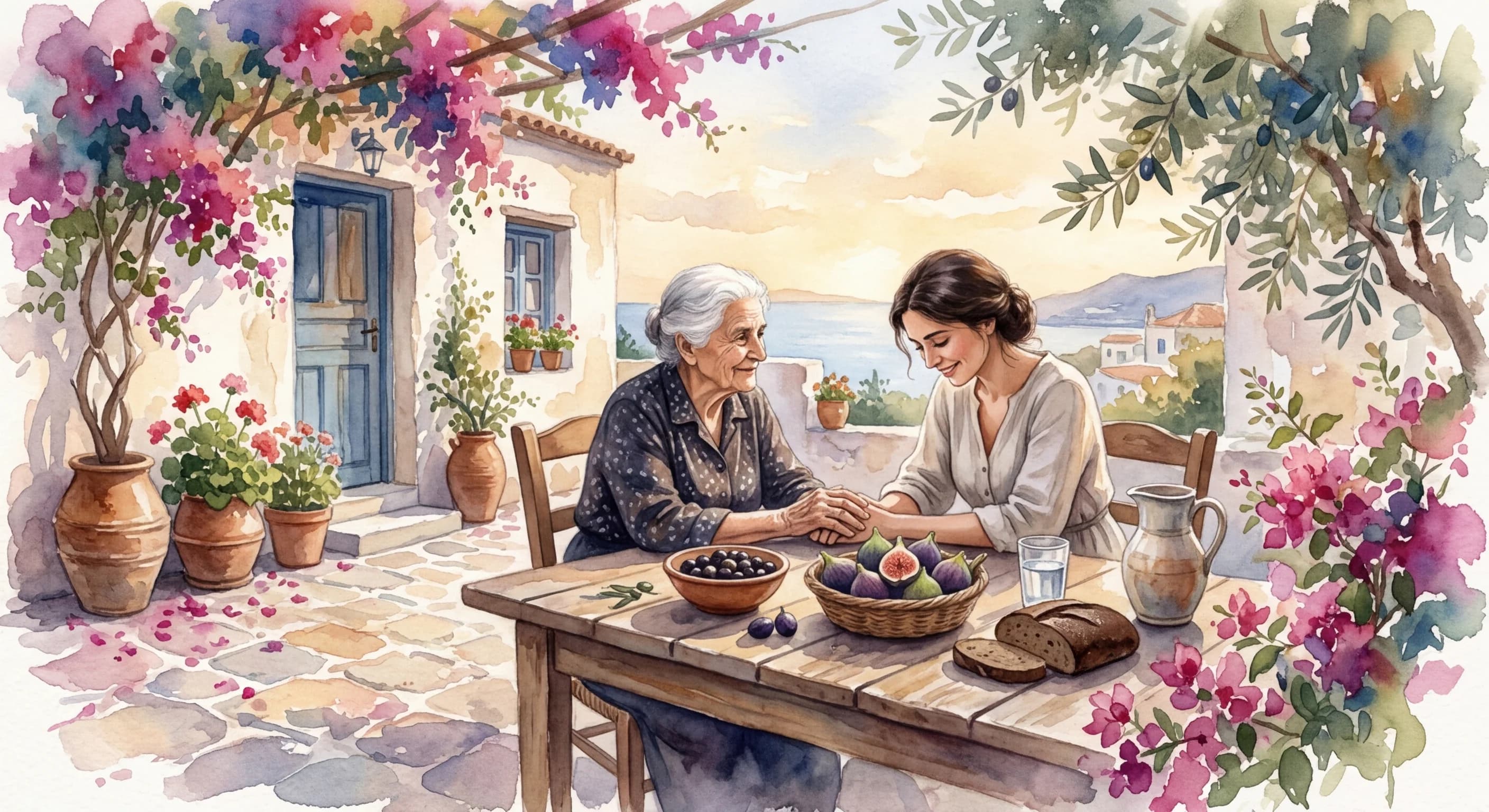
    Artistic representation of Filoxenia
    Greek•
    🇨🇾Cyprus🇬🇷Greece

    Filoxenia

    /fee-lo-XEH-nee-ah/

    Meaning

    Filoxenia transcends mere hospitality; it is the sacred, unconditional welcoming of strangers, treating them with the warmth and respect reserved for cherished family or long-lost friends. This ancient Greek virtue compels hosts to offer sustenance, shelter, and genuine companionship, driven by a deep-seated generosity and the belief in the inherent goodness of shared human connection. It fosters a powerful, almost spiritual, bond between host and guest, embodying a profound sense of belonging that dissolves social barriers.

    Literal Translation

    love of strangers

    The Story Behind the Word

    The roots of filoxenia stretch back to ancient Greece, where Zeus Xenios, the protector of travelers, ensured divine punishment for those who mistreated guests. This belief instilled a deep moral obligation to extend hospitality, seeing every stranger as a potential god in disguise or an emissary from another land. It reflects a society where travel was often perilous and communal survival depended on mutual aid and trust. Filoxenia reveals a worldview where human connection is paramount, generosity is a civic and religious duty, and the stranger is not a threat but an opportunity for shared humanity. It's a cornerstone of Greek identity, emphasizing community, honor, and the profound value of human relationships over material possessions.

    Experience It

    Island Welcome

    A family of tourists, lost on a remote Greek island, pulls into a small village. An elderly woman, noticing their distress, immediately invites them into her home, offering them fresh bread, olives, and homemade wine, refusing any payment. She insists they stay the night, sharing stories and laughter as if they were her own children.

    Unexpected Meal

    A solo backpacker arrives in a mountain village with no accommodation booked. A local café owner, seeing his predicament, not only offers him a free, hearty meal but also calls a friend who has a spare room, ensuring he has a comfortable place to sleep, refusing any form of recompense for his efforts.

    The Deeper Meaning

    Filoxenia embodies a profound humanistic philosophy: that every individual, regardless of origin or status, carries an intrinsic worth deserving of respect, generosity, and protection. It suggests a universal interconnectedness, where extending kindness to a stranger is not merely altruism but an act that strengthens the fabric of society and honors a shared humanity. It challenges the notion of 'otherness,' promoting empathy and the belief that true community embraces all.

    Did You Know?

    In ancient Greece, violating filoxenia was considered a grave offense, potentially incurring the wrath of the gods, particularly Zeus, who was also known as 'Zeus Xenios,' the patron of guests and strangers.

    How It's Used

    Used to describe the act of being hospitable, especially towards strangers or foreigners, and the feeling of welcome and generosity associated with it.

    Emotions
    belonging,gratitude,joy,warmth
    Contexts
    dining,friendship,greeting,travel
    🇨🇾Cyprus🇬🇷Greece

    by Anya Petrova·Written Mar 10, 2026·Updated Apr 3, 2026

    Related Words

    Explore more
    HyggeDanish

    Hygge is more than mere coziness; it's a holistic embrace of comfort, warmth, and belonging that nourishes the soul. It describes the intentional creation of an intimate atmosphere where simple pleasures, genuine connection, and mindful presence converge, fostering a profound sense of contentment and well-being. It's about finding joy and peace in the small, everyday moments, often shared with loved ones.

    SaudadePortuguese

    Saudade encapsulates a profound, melancholic longing for something or someone cherished that is absent, often with the bittersweet knowledge that it may never return. It's a deep emotional state tinged with nostalgia, evoking a sense of loss for past experiences, places, or people, yet also holding a tender appreciation for the beauty of what once was. This yearning is not merely sadness, but a complex tapestry of desire, memory, and a poignant acceptance of absence, holding the beloved in a warm, persistent embrace within the heart.

    GezelligDutch

    Gezellig encapsulates a profound sense of warmth, belonging, and convivial comfort, extending beyond mere coziness to embrace the social and emotional atmosphere. It's the feeling of being truly at ease, surrounded by good company, laughter, and a shared sense of contentment. This untranslatable term describes not just a physical space, but a holistic experience where time seems to slow down, fostering genuine connection and a deep sense of well-being.

    Dolce far nienteItalian

    Dolce far niente captures the profound joy and effortless pleasure derived from simply existing without obligation or purpose. It's the art of savoring moments of pure, unadulterated idleness – lying in the sun, watching the clouds drift, or enjoying a leisurely coffee – not as a break from work, but as a valuable state in itself. This 'sweetness of doing nothing' is a conscious embrace of stillness and contentment, allowing the soul to breathe and the senses to fully engage with the present.