Mania
/MAY-nee-uh/
Meaning
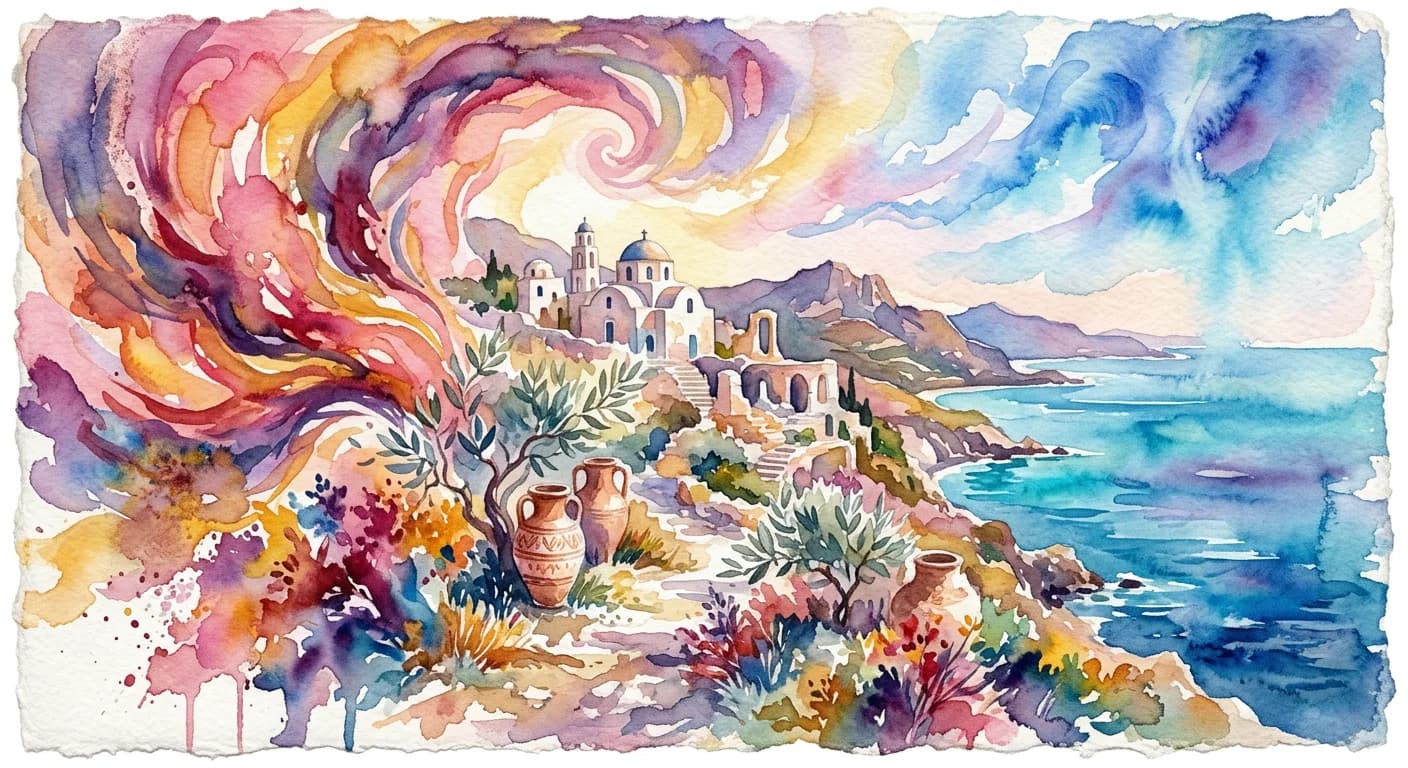
Originating from ancient Greek, 'mania' transcends mere enthusiasm, denoting a state of electrifying intensity and often divine inspiration that can border on madness. It captures a fervent, almost uncontrollable passion, whether for artistic creation, intellectual pursuit, or even a deeply felt devotion. This isn't just a strong interest; it's an all-consuming drive that propels individuals to pursue their passions with unparalleled vigor and dedication, often blurring the lines between genius and obsession. It reflects a profound understanding of extreme emotional states, both exhilarating and potentially destabilizing, that defy simple categorization.
Literal Translation
madness, frenzy, inspiration
The Story Behind the Word
In ancient Greece, 'mania' was not solely a pejorative term for mental illness; it held a complex, often sacred, duality. Plato, in his 'Phaedrus,' famously distinguished between ordinary madness and a 'divine madness' (theia mania) which was seen as a gift from the gods, essential for prophecy, poetic inspiration, and even love. Think of the frenzied priestesses of Delphi, speaking oracles under Apollonian influence, or the ecstatic devotees of Dionysus in their revels. This cultural understanding reveals a worldview where intense emotional states could be conduits for higher truths or divine communication, rather than purely pathological. It suggests a society that acknowledged and even revered the powerful, sometimes irrational, forces that drive human creativity and spiritual experience, seeing them as integral to the human condition and, at times, beneficial.
Experience It
The Poet's Frenzy
During a sleepless night, the poet experienced a sudden 'mania' for writing. Words poured onto the parchment, her hand moving almost independently, driven by an unseen force to capture the fleeting beauty of a dream.
Philosophical Obsession
He developed a 'mania' for ancient philosophy, spending every waking hour immersed in texts, debating concepts with anyone who would listen. His friends worried, but he felt closer to understanding the universe than ever before.
The Deeper Meaning
The concept of 'mania' reveals a profound Greek philosophical insight into the nature of inspiration and human consciousness. It challenges the purely rational view of human endeavor by acknowledging that some of the greatest achievements, whether artistic or spiritual, arise from states of heightened, often irrational, emotional and mental intensity. It suggests that true genius or divine connection might necessitate a temporary departure from ordinary reason, embracing a 'madness' that is ultimately productive and enlightening.
Did You Know?
Plato identified four types of 'divine mania': prophetic, telestic (ritualistic), poetic, and erotic. Each was seen as a gift from a specific god, guiding mortals to higher understanding or creation.
How It's Used
Used to describe an intense, often excessive, enthusiasm or passion for something. It can refer to a creative frenzy, an obsessive hobby, or a state of heightened emotional excitement.