U.
HomeRegionsLanguagesEmotionsCollections
Find Your Word

“The limits of my language mean the limits of my world.”

— Ludwig Wittgenstein, Philosopher

Untranslatable

A curated collection of the world's most beautiful expressions—words that remind us language is humanity's greatest invention.

  • Home
  • Collections
  • Regions
  • Countries
  • Emotions
  • Tags
  • Contexts
  • Finder
  • Europe
  • Asia
  • Americas
  • Africa
  • Middle East
  • About
  • Contact
  • Privacy Policy
  • Terms of Service

2026 © Untranslatable. All rights reserved.

    /
    /
    1. Home
    2. /
    3. Europe
    4. /
    5. Poiesis
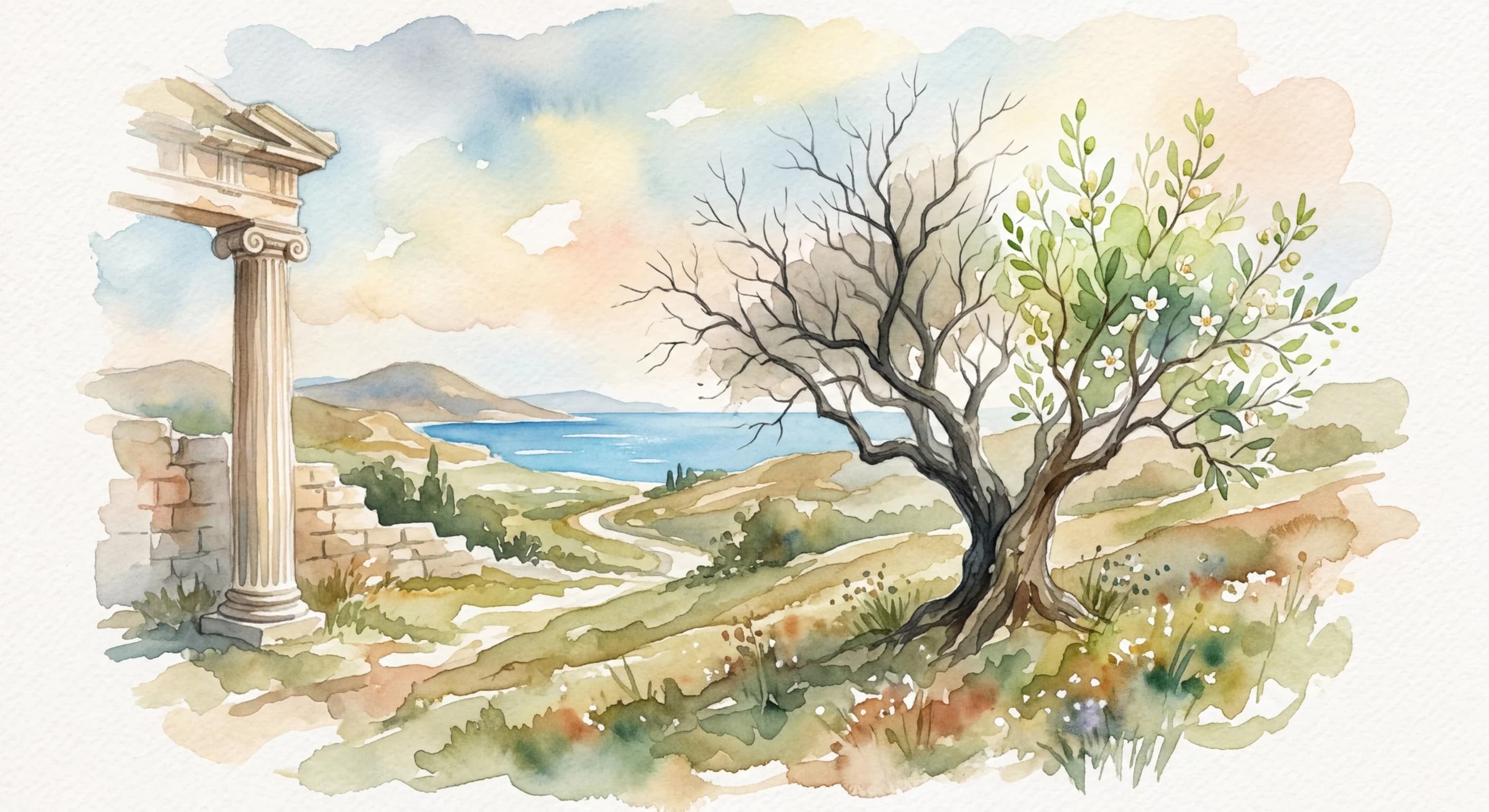
    Artistic representation of Poiesis
    Greek•
    🇬🇷Greece

    Poiesis

    /poy-EH-sis/

    Meaning

    Poiesis, in ancient Greek thought, encapsulates the dynamic act of 'bringing forth' something new into existence, a transformative journey from potentiality to actuality. It's not mere making, but a purposeful, often skilled emergence, whether it's a poet crafting verses, a potter shaping clay, or nature unfolding a blossom. This concept highlights a structured, deliberate process of creation, where a form or idea is manifested in the material world, reflecting an inherent order and intention.

    Literal Translation

    making, creation, production

    The Story Behind the Word

    The concept of Poiesis is deeply embedded in the ancient Greek worldview, particularly through the lens of Aristotle. It reflects a culture that valued craftsmanship, art, and the understanding of natural processes as purposeful. For the Greeks, the cosmos itself was seen as a product of 'poiesis' – a grand act of ordering chaos into a harmonious whole. This word reveals a society that saw the world not as static, but as constantly 'becoming,' with every act of creation, from a philosophical treatise to a well-built house, contributing to the actualization of potential. It underscored the human capacity to participate in this cosmic 'making,' elevating skilled labor and artistic endeavor beyond simple utility to a form of engagement with fundamental truths.

    Experience It

    Sculptor's Vision Realized

    A sculptor chips away at a block of marble, slowly revealing the form of a god. Each strike of the chisel is an act of poiesis, transforming raw stone into a revered artistic and spiritual presence.

    Nature's Flourishing

    After a long winter, the earth warms, and a tiny seed germinates, pushing its way through the soil to unfurl into a vibrant flower. This natural process of growth and development is a profound example of poiesis, bringing life into being.

    The Deeper Meaning

    Poiesis reveals a worldview where the world is not simply 'there' but is continually being made and revealed. It emphasizes the teleological aspect of existence – that things come into being with a purpose or an end goal (telos). This concept underscores humanity's role as co-creators and interpreters of this ongoing 'bringing forth,' connecting human artistry and craft to the fundamental processes of the cosmos.

    Did You Know?

    The English word 'poetry' directly derives from 'poiesis,' highlighting its origin in the Greek concept of creative making and bringing forth. It was the original 'art of making' with words.

    How It's Used

    Used in philosophical and literary contexts to discuss the nature of creation, art, and becoming.

    Emotion
    wonder
    Contexts
    art,philosophy,work
    🇬🇷Greece

    by Sofia Rossi·Written Mar 10, 2026·Updated Apr 3, 2026

    Related Words

    Explore more
    HyggeDanish

    Hygge is more than mere coziness; it's a holistic embrace of comfort, warmth, and belonging that nourishes the soul. It describes the intentional creation of an intimate atmosphere where simple pleasures, genuine connection, and mindful presence converge, fostering a profound sense of contentment and well-being. It's about finding joy and peace in the small, everyday moments, often shared with loved ones.

    SaudadePortuguese

    Saudade encapsulates a profound, melancholic longing for something or someone cherished that is absent, often with the bittersweet knowledge that it may never return. It's a deep emotional state tinged with nostalgia, evoking a sense of loss for past experiences, places, or people, yet also holding a tender appreciation for the beauty of what once was. This yearning is not merely sadness, but a complex tapestry of desire, memory, and a poignant acceptance of absence, holding the beloved in a warm, persistent embrace within the heart.

    GezelligDutch

    Gezellig encapsulates a profound sense of warmth, belonging, and convivial comfort, extending beyond mere coziness to embrace the social and emotional atmosphere. It's the feeling of being truly at ease, surrounded by good company, laughter, and a shared sense of contentment. This untranslatable term describes not just a physical space, but a holistic experience where time seems to slow down, fostering genuine connection and a deep sense of well-being.

    Dolce far nienteItalian

    Dolce far niente captures the profound joy and effortless pleasure derived from simply existing without obligation or purpose. It's the art of savoring moments of pure, unadulterated idleness – lying in the sun, watching the clouds drift, or enjoying a leisurely coffee – not as a break from work, but as a valuable state in itself. This 'sweetness of doing nothing' is a conscious embrace of stillness and contentment, allowing the soul to breathe and the senses to fully engage with the present.

    Featured in 1 collection

    🎨Creative Soul