U.
HomeRegionsLanguagesEmotionsCollections
Find Your Word

“The limits of my language mean the limits of my world.”

— Ludwig Wittgenstein, Philosopher

Untranslatable

A curated collection of the world's most beautiful expressions—words that remind us language is humanity's greatest invention.

  • Home
  • Collections
  • Regions
  • Countries
  • Emotions
  • Tags
  • Contexts
  • Finder
  • Europe
  • Asia
  • Americas
  • Africa
  • Middle East
  • About
  • Contact
  • Privacy Policy
  • Terms of Service

2026 © Untranslatable. All rights reserved.

    /
    /
    1. Home
    2. /
    3. Europe
    4. /
    5. Elenchus
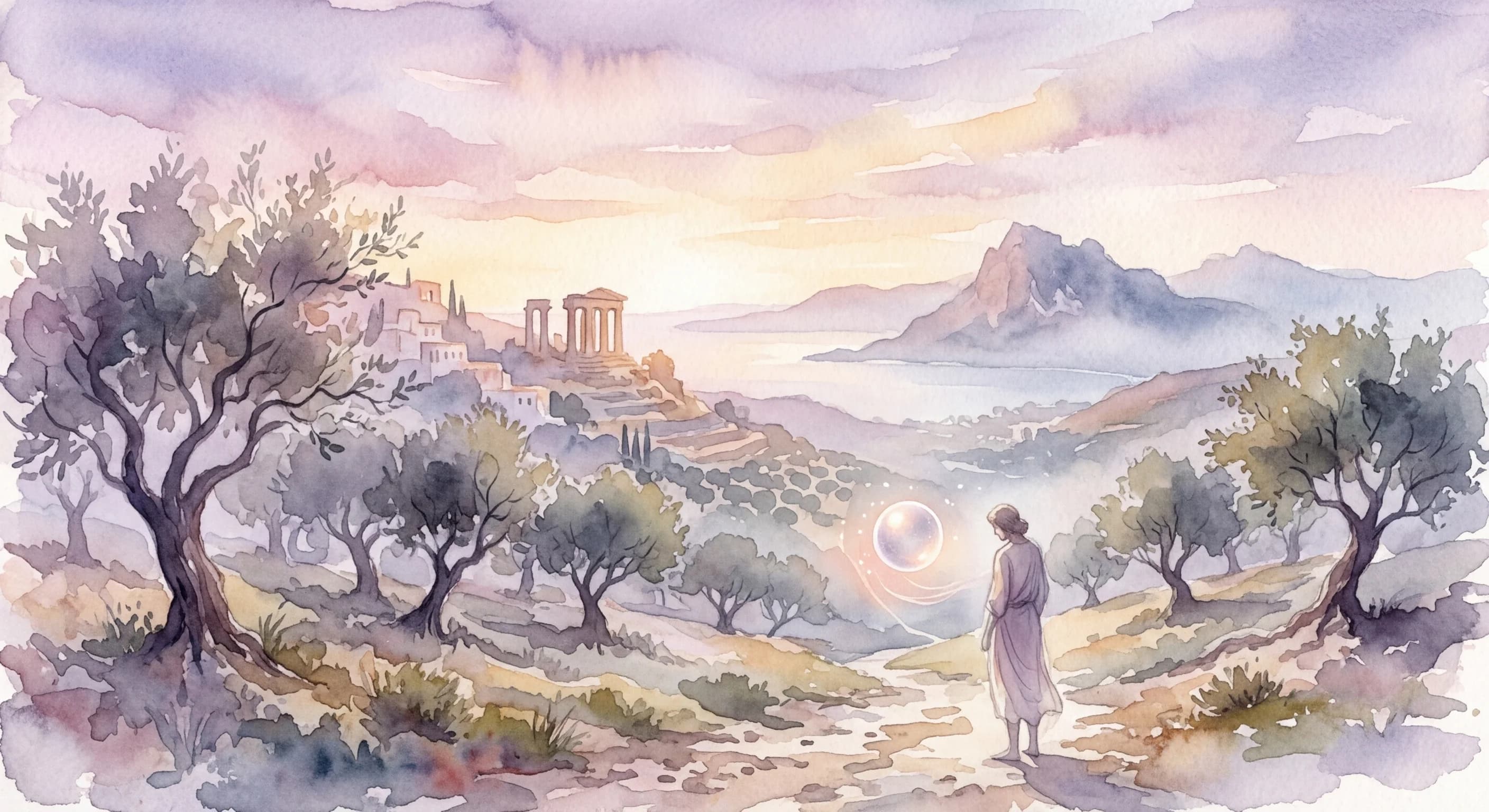
    Artistic representation of Elenchus
    Ancient Greek•
    🇬🇷Greece

    Elenchus

    /EL-en-koos/

    Meaning

    Elenchus is the electrifying intellectual dance, famously championed by Socrates, where one's deeply held beliefs are subjected to a relentless, yet ultimately benevolent, cross-examination. It's a method not of winning an argument, but of meticulously uncovering hidden contradictions and inconsistencies within a speaker's own statements, thereby guiding them towards a more profound, self-discovered truth. This isn't about shaming, but about forging intellectual humility and clarity, stripping away superficial understanding to reveal the bedrock of genuine knowledge.

    Literal Translation

    refutation, disproof, examination

    The Story Behind the Word

    The existence of 'elenchus' is deeply woven into the fabric of Ancient Greek intellectual life, particularly in Athens, where public discourse and philosophical inquiry were paramount. It reflects a society that valued reasoned debate, critical thinking, and the pursuit of truth above dogma. Socrates, through his relentless application of elenchus, challenged the complacency of his fellow citizens, urging them to examine their lives and assumptions. The word reveals a culture that believed self-knowledge and ethical living were inseparable from rigorous intellectual self-scrutiny, and that true wisdom often began with admitting one's own ignorance. This method was a cornerstone of philosophical education, intended to cultivate virtuous citizens capable of independent thought.

    Experience It

    Socrates and Euthyphro

    Socrates encounters Euthyphro, who claims to understand piety perfectly. Through a series of incisive questions, Socrates guides Euthyphro to realize that his definitions of piety are inconsistent, highlighting the limits of his own knowledge and prompting deeper reflection.

    The Aspiring Politician

    An ambitious young Athenian orator confidently declares his plans for the city. An elder, employing elenchus, gently questions the underlying assumptions of the orator's proposals, revealing unforeseen flaws and encouraging a more nuanced, less dogmatic approach to governance.

    The Deeper Meaning

    Elenchus embodies the Socratic paradox that true wisdom lies in recognizing one's own ignorance. It reveals a worldview where truth is not passively received but actively discovered through rigorous self-examination and critical dialogue. This method champions intellectual humility as the gateway to genuine understanding, suggesting that the unexamined life is indeed not worth living.

    Did You Know?

    Socrates's use of elenchus ultimately led to his trial and execution, as his relentless questioning was seen by some as corrupting the youth and impiety, demonstrating its profound societal impact.

    How It's Used

    Used in philosophical discourse and academic study to describe a specific form of dialectical reasoning or refutation.

    Emotions
    curiosity,wonder
    Contexts
    education,work
    🇬🇷Greece

    by Annelise Dubois·Written Mar 10, 2026·Updated Apr 3, 2026

    Related Words

    Explore more
    HyggeDanish

    Hygge is more than mere coziness; it's a holistic embrace of comfort, warmth, and belonging that nourishes the soul. It describes the intentional creation of an intimate atmosphere where simple pleasures, genuine connection, and mindful presence converge, fostering a profound sense of contentment and well-being. It's about finding joy and peace in the small, everyday moments, often shared with loved ones.

    SaudadePortuguese

    Saudade encapsulates a profound, melancholic longing for something or someone cherished that is absent, often with the bittersweet knowledge that it may never return. It's a deep emotional state tinged with nostalgia, evoking a sense of loss for past experiences, places, or people, yet also holding a tender appreciation for the beauty of what once was. This yearning is not merely sadness, but a complex tapestry of desire, memory, and a poignant acceptance of absence, holding the beloved in a warm, persistent embrace within the heart.

    GezelligDutch

    Gezellig encapsulates a profound sense of warmth, belonging, and convivial comfort, extending beyond mere coziness to embrace the social and emotional atmosphere. It's the feeling of being truly at ease, surrounded by good company, laughter, and a shared sense of contentment. This untranslatable term describes not just a physical space, but a holistic experience where time seems to slow down, fostering genuine connection and a deep sense of well-being.

    Dolce far nienteItalian

    Dolce far niente captures the profound joy and effortless pleasure derived from simply existing without obligation or purpose. It's the art of savoring moments of pure, unadulterated idleness – lying in the sun, watching the clouds drift, or enjoying a leisurely coffee – not as a break from work, but as a valuable state in itself. This 'sweetness of doing nothing' is a conscious embrace of stillness and contentment, allowing the soul to breathe and the senses to fully engage with the present.

    Featured in 1 collection

    👴Elder Wisdom