U.
HomeRegionsLanguagesEmotionsCollections
Find Your Word

“The limits of my language mean the limits of my world.”

— Ludwig Wittgenstein, Philosopher

Untranslatable

A curated collection of the world's most beautiful expressions—words that remind us language is humanity's greatest invention.

  • Home
  • Collections
  • Regions
  • Countries
  • Emotions
  • Tags
  • Contexts
  • Finder
  • Europe
  • Asia
  • Americas
  • Africa
  • Middle East
  • About
  • Contact
  • Privacy Policy
  • Terms of Service

2026 © Untranslatable. All rights reserved.

    /
    /
    1. Home
    2. /
    3. Europe
    4. /
    5. Průvan
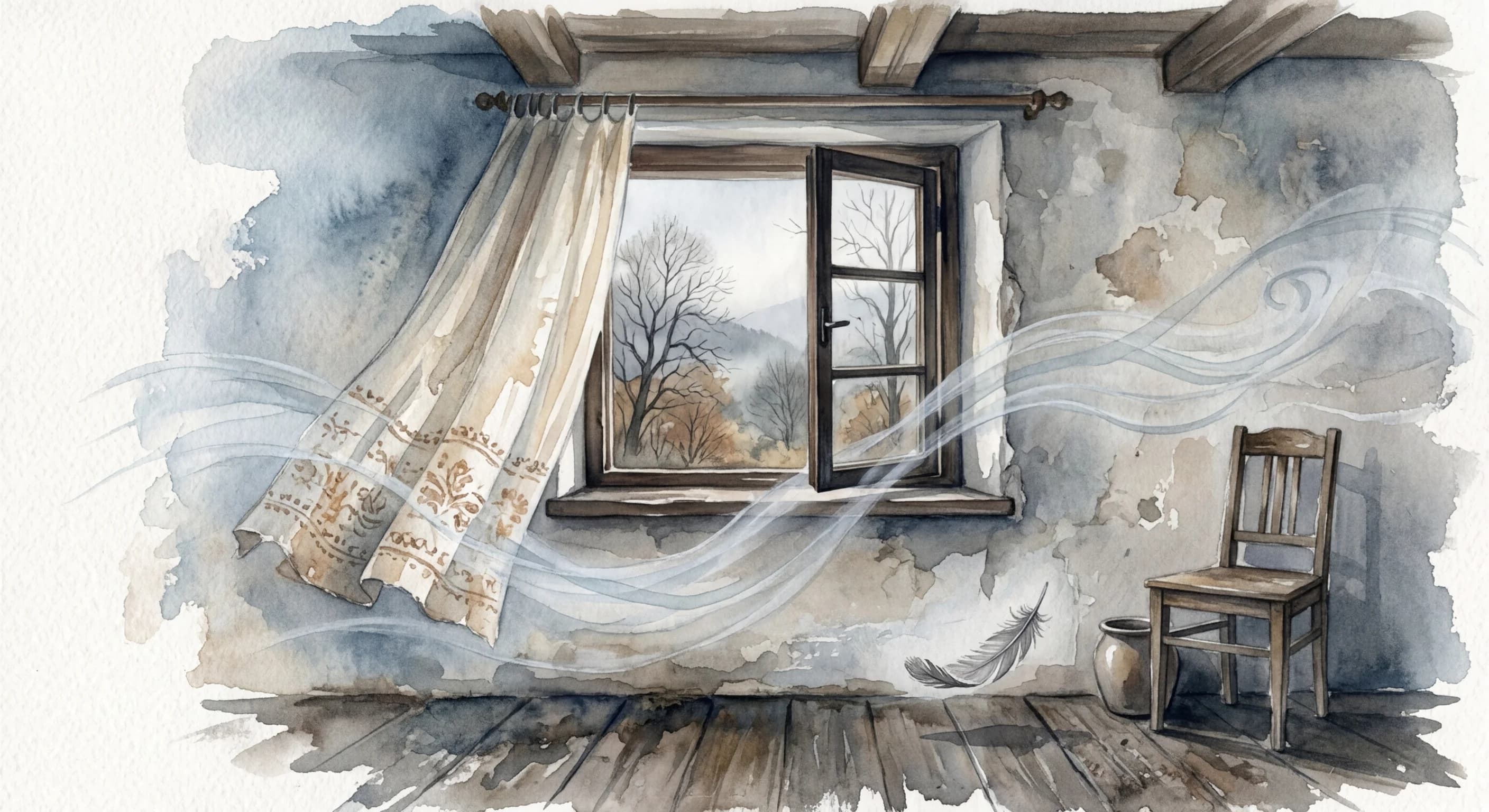
    Artistic representation of Průvan
    Czech•
    🇨🇿Czech Republic

    Průvan

    /PROO-vahn/

    Meaning

    Průvan is more than just a draft; it's a sensory assault, a sudden, unwelcome current of air that slices through a room, often originating from carelessly opened windows or doors. It carries a distinct, almost palpable chill, a disquieting sensation that disrupts comfort and can feel genuinely invasive. This word encapsulates the specific unease of being caught in a fleeting, unsettling flow of air, a common experience in older European homes designed to manage temperature differently, highlighting a cultural sensitivity to environmental shifts.

    Literal Translation

    Draft / gust of wind

    The Story Behind the Word

    The existence and prominence of 'průvan' in Czech culture reveal a deep-seated awareness of the environment's subtle shifts and a particular sensitivity to personal comfort and health. Historically, in Central European homes, insulation was less effective, and heating was often localized, making drafts a significant factor in comfort and perceived well-being. The belief that 'průvan' can cause illness—ranging from a stiff neck to a common cold—is deeply ingrained, passed down through generations. This isn't merely superstition; it reflects a practical response to living in older, often drafty buildings, where a sudden chill could indeed exacerbate existing conditions or lead to discomfort. The word therefore functions as both a descriptor and a warning, embodying a collective caution against environmental intrusions and a cultural emphasis on maintaining a stable, protected personal space.

    Experience It

    Grandmother's Warning

    As the warm spring breeze swept through the open kitchen and living room doors, little Anička shivered slightly. Her Babička immediately exclaimed, 'Zavři ty dveře, Aničko! Budeš mít průvan a nastydneš!' (Close those doors, Anička! You'll get a průvan and catch a cold!)

    Office Discomfort

    During a meeting, someone opened a window at one end of the conference room and another door at the opposite end. A cold current of air, a distinct průvan, swept through, making half the attendees subtly pull their sweaters tighter and shift uncomfortably in their seats.

    The Deeper Meaning

    The concept of 'průvan' subtly reflects a worldview that values stability, predictable comfort, and personal well-being. It highlights a cultural resistance to sudden, uncontrolled disruptions, even minor environmental ones. This sensitivity to subtle intrusions suggests a broader preference for order and a cautious approach to external forces, emphasizing the importance of maintaining a harmonious personal space against the unpredictable elements of the outside world.

    Did You Know?

    Czechs often believe 'průvan' can cause a stiff neck (ztuhlá šíje) or a cold, leading to a common cultural habit of quickly closing doors and windows to avoid it, even on warm days.

    How It's Used

    Used to describe a draft of air, often implying it's unwelcome or causes a slight discomfort.

    Emotion
    anxiety
    Contexts
    daily life,home,weather
    🇨🇿Czech Republic

    by Sofia Rossi·Written Mar 10, 2026·Updated Apr 3, 2026

    Related Words

    Explore more
    HyggeDanish

    Hygge is more than mere coziness; it's a holistic embrace of comfort, warmth, and belonging that nourishes the soul. It describes the intentional creation of an intimate atmosphere where simple pleasures, genuine connection, and mindful presence converge, fostering a profound sense of contentment and well-being. It's about finding joy and peace in the small, everyday moments, often shared with loved ones.

    SaudadePortuguese

    Saudade encapsulates a profound, melancholic longing for something or someone cherished that is absent, often with the bittersweet knowledge that it may never return. It's a deep emotional state tinged with nostalgia, evoking a sense of loss for past experiences, places, or people, yet also holding a tender appreciation for the beauty of what once was. This yearning is not merely sadness, but a complex tapestry of desire, memory, and a poignant acceptance of absence, holding the beloved in a warm, persistent embrace within the heart.

    GezelligDutch

    Gezellig encapsulates a profound sense of warmth, belonging, and convivial comfort, extending beyond mere coziness to embrace the social and emotional atmosphere. It's the feeling of being truly at ease, surrounded by good company, laughter, and a shared sense of contentment. This untranslatable term describes not just a physical space, but a holistic experience where time seems to slow down, fostering genuine connection and a deep sense of well-being.

    Dolce far nienteItalian

    Dolce far niente captures the profound joy and effortless pleasure derived from simply existing without obligation or purpose. It's the art of savoring moments of pure, unadulterated idleness – lying in the sun, watching the clouds drift, or enjoying a leisurely coffee – not as a break from work, but as a valuable state in itself. This 'sweetness of doing nothing' is a conscious embrace of stillness and contentment, allowing the soul to breathe and the senses to fully engage with the present.