Chalupářství
/CHAH-loo-pah-rshtvee/
Meaning
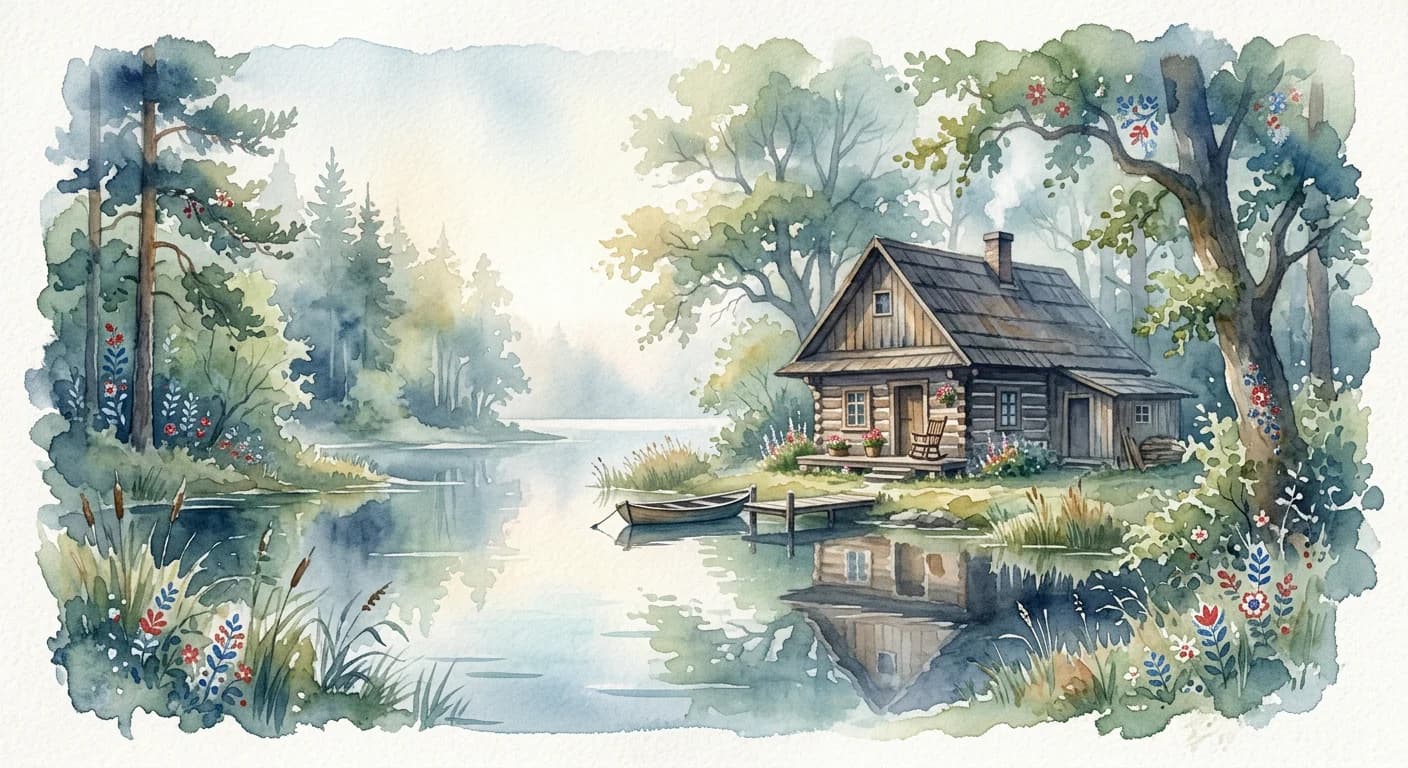
Chalupářství encapsulates the cherished Czech tradition of owning and regularly retreating to a weekend cottage, often nestled in the serene countryside. This practice is a deep-seated cultural phenomenon, representing far more than just leisure; it's a profound connection to nature, a conscious escape from urban pressures, and a return to simpler, more authentic living. It fosters intergenerational bonds, provides a sanctuary for relaxation, and embodies a unique blend of historical nostalgia and present-day enjoyment of rural life.
Literal Translation
Cottage-dwelling / Cottage-living
The Story Behind the Word
The roots of chalupářství stretch back through Czech history, notably gaining prominence during the communist era. Under a regime that limited international travel and emphasized collective living, owning a private cottage became a vital outlet for personal freedom, self-sufficiency, and a connection to nature. It offered a refuge where families could cultivate their own food, pursue hobbies, and maintain a sense of individual identity away from state oversight. Post-1989, this tradition persisted, evolving into a beloved national pastime that reflects a deep-seated appreciation for the Czech landscape and a desire for balance between modern life and rustic simplicity. It reveals a culture that values steadfastness, resourcefulness, and a profound respect for heritage and the natural world, seeing the 'chalupa' not just as property, but as a living legacy.
Experience It
Family Weekend Retreat
Grandma Jana proudly surveys her garden, overflowing with tomatoes and herbs. Her grandchildren, escaping the city for the weekend, are busy picking berries for a pie, a cherished chalupářství tradition passed down through generations. The air is filled with laughter and the scent of pine, a stark contrast to their usual apartment living.
Escape from City Bustle
After a stressful week in Prague, Martin drives to his small chalupa in the Bohemian Paradise. He spends the afternoon chopping wood, tending to a small repair, and then simply sitting on the porch with a beer, listening to the birds. This quiet ritual, this chalupářství, is his reset button, his essential connection to peace.
The Deeper Meaning
Chalupářství embodies a philosophical stance of seeking equilibrium and authenticity. It suggests a worldview that values self-reliance, the cycles of nature, and the importance of disconnecting from the artificial complexities of modern life to reconnect with fundamental human needs. It reflects a belief that true well-being is found not in accumulation, but in cultivation, both of the land and of personal and familial bonds, fostering a sense of rootedness and continuity.
Did You Know?
During the communist era in Czechoslovakia, 'chalupaření' became so popular that it was sometimes seen as a subtle form of dissent, allowing citizens a private sphere away from state control.
How It's Used
Used to describe the practice of owning and using a weekend cottage (chata or chalupa) for recreation and relaxation, particularly in rural or semi-rural settings. It's a common topic of conversation when discussing leisure activities, holidays, and lifestyle choices in the Czech Republic.