Zastesklo se mi
/ZAH-styesk-loh seh mee/
Meaning
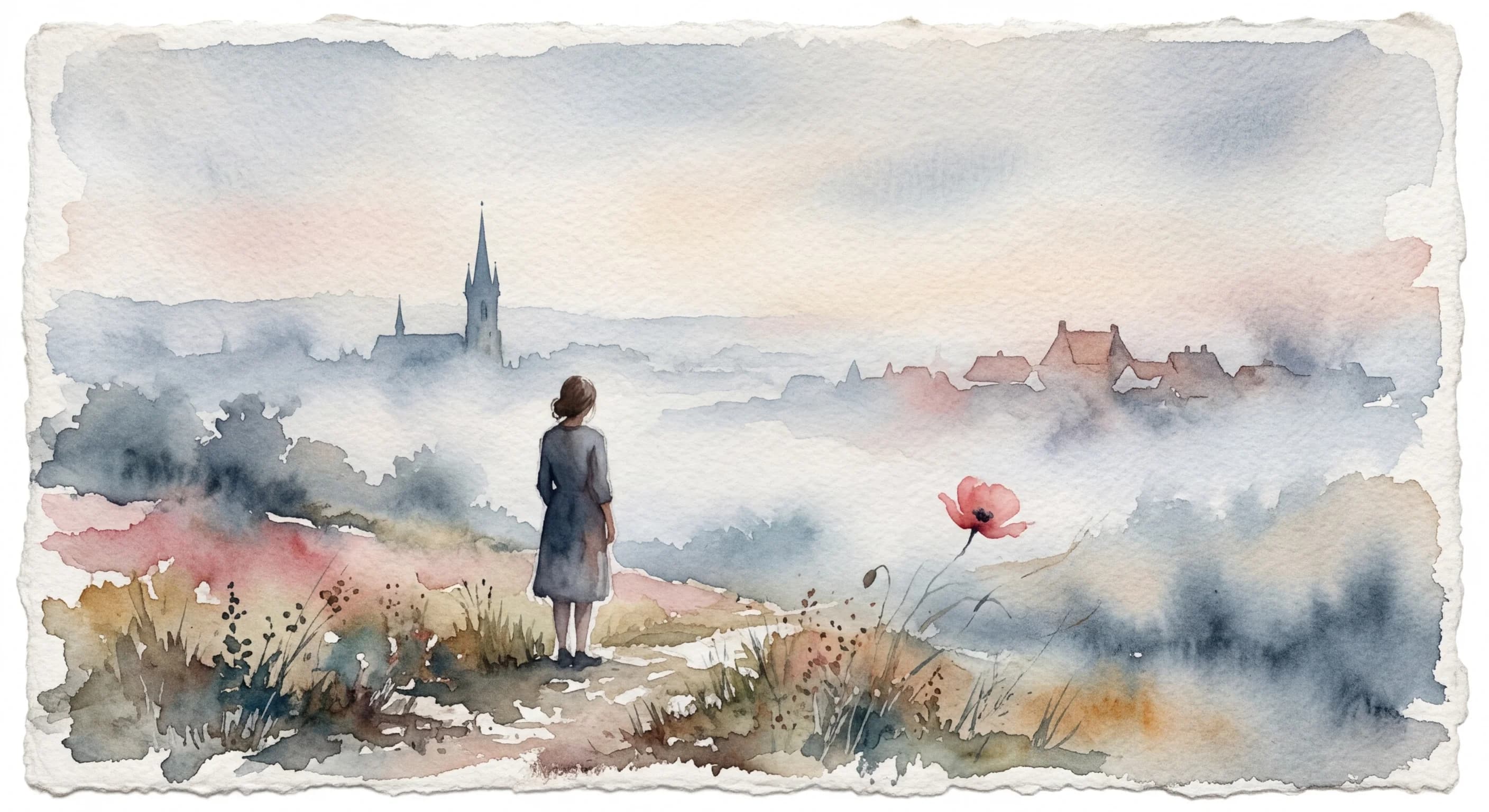
This Czech phrase articulates a profound, often unexpected pang of longing, a deep ache for something or someone absent that transcends simple nostalgia or homesickness. It describes an internal, almost visceral yearning for a past moment, a lost connection, or a cherished feeling that suddenly washes over you. The 'mi' (me) personalizes this intimate sorrow, emphasizing a quiet, melancholic resonance within one's heart and mind, distinct from merely 'missing' something.
Literal Translation
It has become a longing to me
The Story Behind the Word
The existence of 'zastesklo se mi' speaks volumes about Czech emotional landscape, often characterized by a subtle melancholy and a deep appreciation for the past. Unlike cultures that might emphasize forward-looking optimism, Czech culture, shaped by centuries of complex history including periods of occupation and resilience, often fosters a reflective, introspective spirit. This word embodies a collective understanding that life is fleeting, and precious moments, people, and feelings are often lost, yet their memory continues to evoke a powerful, sometimes sorrowful, longing. It reflects a comfort with acknowledging and even embracing a certain wistfulness as a natural part of the human experience, rather than something to be quickly overcome.
Experience It
Childhood Summer Echo
Walking through an old orchard, the scent of ripe apples suddenly fills the air. She closes her eyes, and 'zastesklo se mi' for those long, carefree childhood summers at her grandmother's cottage, a feeling not just of missing the place, but the innocence and warmth of that time.
A Friend's Voice
He heard a snippet of a song on the radio that his best friend, who moved across the world years ago, used to sing. A sudden, sharp 'zastesklo se mi' for their late-night conversations and shared laughter, a deep yearning for a connection that time and distance have altered.
The Deeper Meaning
This phrase reveals a philosophical acceptance of transience and the bittersweet nature of memory. It suggests that profound longing is not merely an absence but an active, internal experience that connects us to what was, acknowledging that the past continues to shape our emotional present. It highlights a cultural comfort with introspection and the emotional depth found in wistfulness, rather than solely in happiness or pursuit.
Did You Know?
Unlike 'stýská se mi' (I miss you/it), 'zastesklo se mi' is a perfective verb, implying a sudden onset or completion of this profound longing, highlighting its immediate and often unbidden nature.
How It's Used
Used to express a sudden, profound feeling of missing someone or something, often accompanied by a sense of melancholy.