U.
HomeRegionsLanguagesEmotionsCollections
Find Your Word

“The limits of my language mean the limits of my world.”

— Ludwig Wittgenstein, Philosopher

Untranslatable

A curated collection of the world's most beautiful expressions—words that remind us language is humanity's greatest invention.

  • Home
  • Collections
  • Regions
  • Countries
  • Emotions
  • Tags
  • Contexts
  • Finder
  • Europe
  • Asia
  • Americas
  • Africa
  • Middle East
  • About
  • Contact
  • Privacy Policy
  • Terms of Service

2026 © Untranslatable. All rights reserved.

    /
    /
    1. Home
    2. /
    3. Europe
    4. /
    5. Čarodějnice
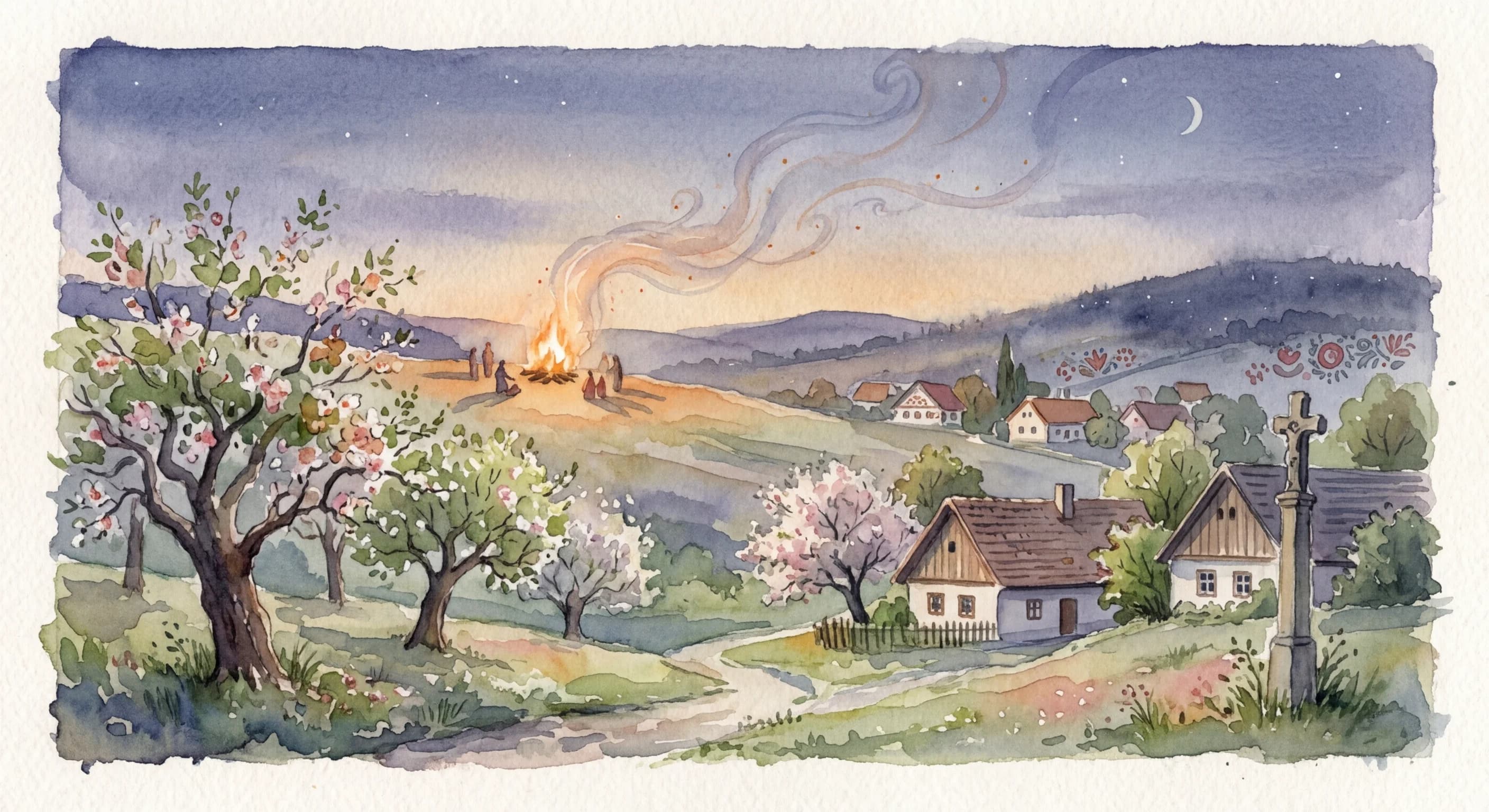
    Artistic representation of Čarodějnice
    Czech•
    🇨🇿Czech Republic🇸🇰Slovakia

    Čarodějnice

    /CHA-ro-dye-nyit-seh/

    Meaning

    While literally translating to 'witch,' "Čarodějnice" carries a much richer cultural resonance in the Czech Republic and Slovakia. It primarily conjures images of the vibrant 'Pálení čarodějnic' (Burning of the Witches) festival on April 30th. This ancient pagan celebration marks the fiery expulsion of winter's chill and malevolent forces, welcoming the rejuvenating warmth of spring. It's a communal spectacle where effigies are consigned to bonfires, symbolizing purification and the joyous anticipation of new beginnings and good fortune.

    Literal Translation

    Witch

    The Story Behind the Word

    The concept of "Čarodějnice" is deeply entwined with pre-Christian Slavic beliefs and the cyclical nature of agrarian life. Historically, the night of April 30th (Walpurgis Night elsewhere) was considered a time when the veil between worlds thinned, making it opportune for witches to gather and exert their power. The burning of effigies isn't about persecuting women, but rather a symbolic act of banishing evil, illness, and the lingering harshness of winter to ensure a fertile spring and prosperous harvest. This ritual reflects a worldview where humans actively participate in influencing natural cycles, demonstrating a profound connection to the land and a blend of fear and respect for unseen forces. It reveals a culture that embraces ritualized catharsis and communal celebration as essential for renewal.

    Experience It

    Festival Night Preparations

    Little Anička eagerly helped her grandfather stuff straw into the old clothes, creating their family's "čarodějnice" effigy. Tonight, it would join countless others on the village bonfire, sending winter's gloom away.

    Child's Play

    During recess, a group of children ran around the playground, pretending to be "čarodějnice" flying on brooms, cackling playfully as they chased each other. It was clear the festival's spirit lingered in their games.

    The Deeper Meaning

    The enduring tradition of "Čarodějnice" reveals a profound philosophical connection to nature's cycles and the human desire for control over an often-unpredictable world. It embodies the belief that symbolic action and communal ritual can influence reality, banishing negativity and inviting prosperity. This reflects a worldview where the spiritual and material realms are deeply intertwined, and collective participation is key to societal well-being and renewal.

    Did You Know?

    Many Czech towns and villages hold competitions for the most elaborate "čarodějnice" effigy, often culminating in grand bonfires and fireworks displays.

    How It's Used

    Used to refer to a witch, and more commonly, to the traditional Czech and Slovak festival held on April 30th, known as 'The Burning of the Witches'.

    Emotions
    bittersweet,joy,warmth,wonder
    Contexts
    celebration,nature,seasons,tradition
    🇨🇿Czech Republic🇸🇰Slovakia

    by Annelise Dubois·Written Mar 10, 2026·Updated Apr 3, 2026

    Related Words

    Explore more
    HyggeDanish

    Hygge is more than mere coziness; it's a holistic embrace of comfort, warmth, and belonging that nourishes the soul. It describes the intentional creation of an intimate atmosphere where simple pleasures, genuine connection, and mindful presence converge, fostering a profound sense of contentment and well-being. It's about finding joy and peace in the small, everyday moments, often shared with loved ones.

    SaudadePortuguese

    Saudade encapsulates a profound, melancholic longing for something or someone cherished that is absent, often with the bittersweet knowledge that it may never return. It's a deep emotional state tinged with nostalgia, evoking a sense of loss for past experiences, places, or people, yet also holding a tender appreciation for the beauty of what once was. This yearning is not merely sadness, but a complex tapestry of desire, memory, and a poignant acceptance of absence, holding the beloved in a warm, persistent embrace within the heart.

    GezelligDutch

    Gezellig encapsulates a profound sense of warmth, belonging, and convivial comfort, extending beyond mere coziness to embrace the social and emotional atmosphere. It's the feeling of being truly at ease, surrounded by good company, laughter, and a shared sense of contentment. This untranslatable term describes not just a physical space, but a holistic experience where time seems to slow down, fostering genuine connection and a deep sense of well-being.

    Dolce far nienteItalian

    Dolce far niente captures the profound joy and effortless pleasure derived from simply existing without obligation or purpose. It's the art of savoring moments of pure, unadulterated idleness – lying in the sun, watching the clouds drift, or enjoying a leisurely coffee – not as a break from work, but as a valuable state in itself. This 'sweetness of doing nothing' is a conscious embrace of stillness and contentment, allowing the soul to breathe and the senses to fully engage with the present.